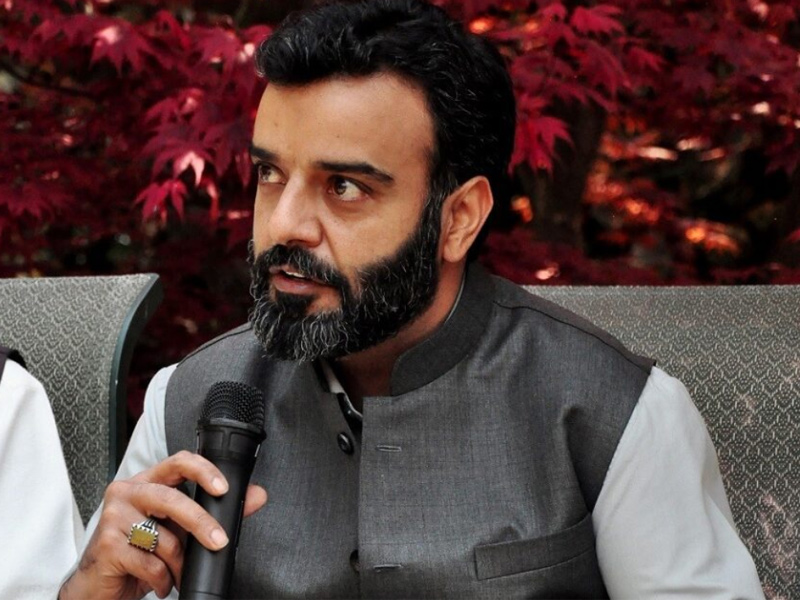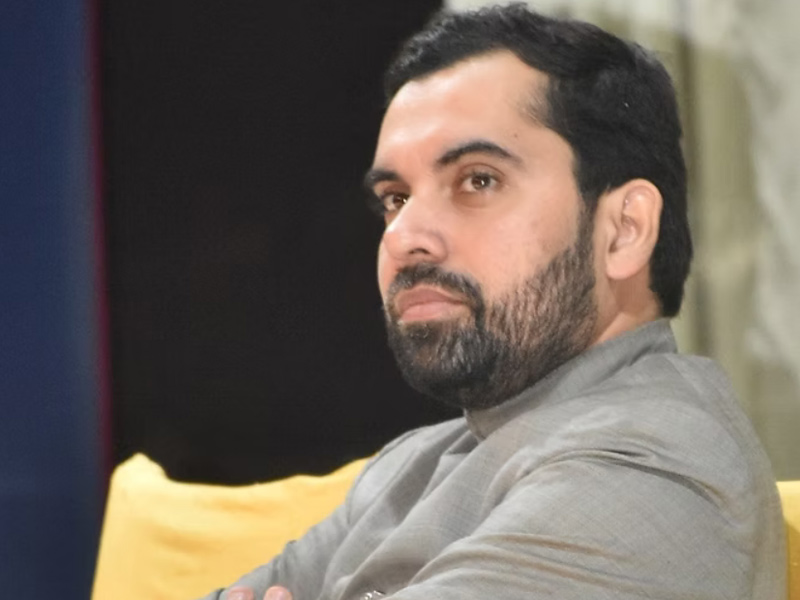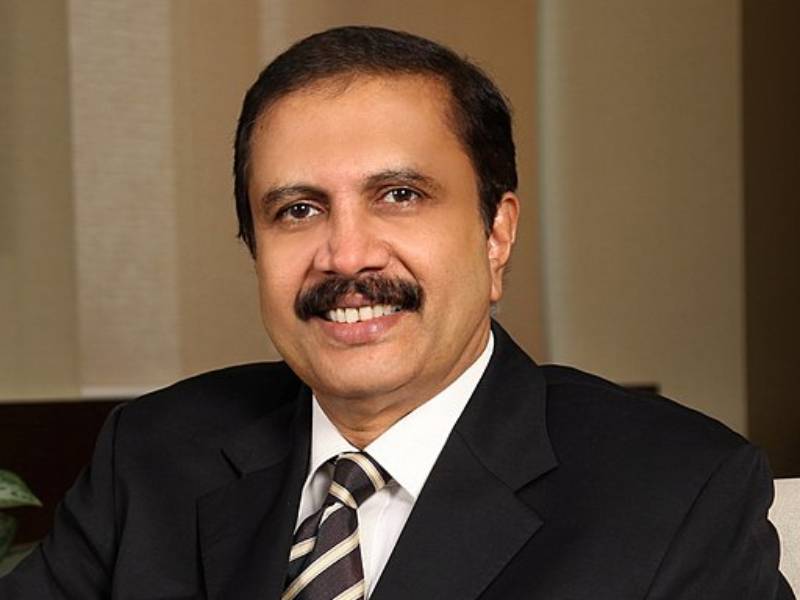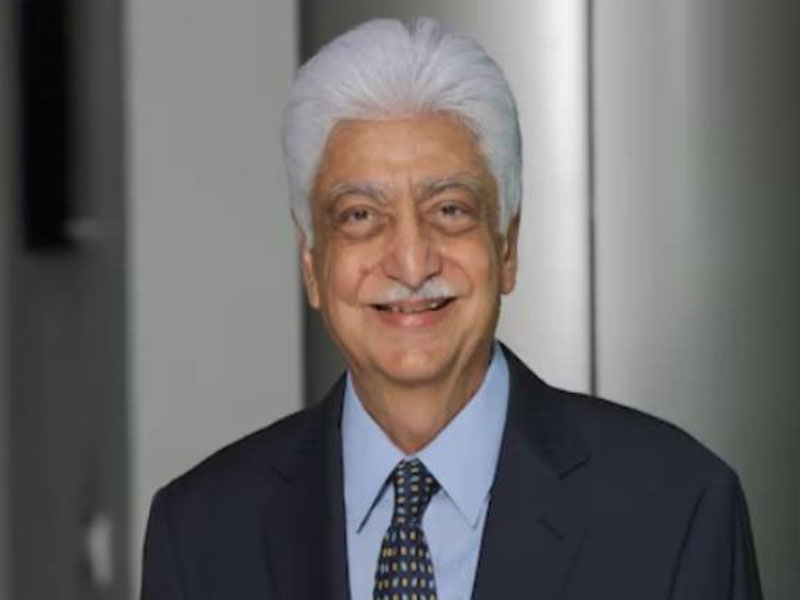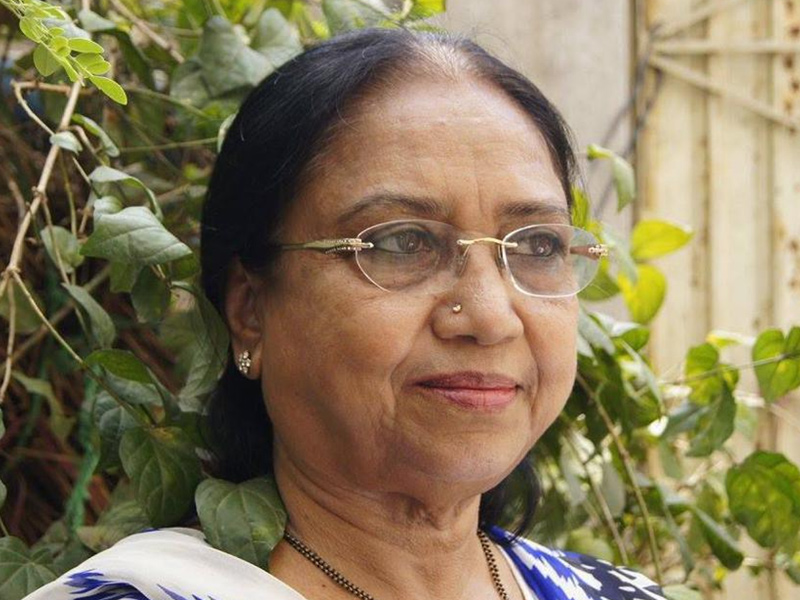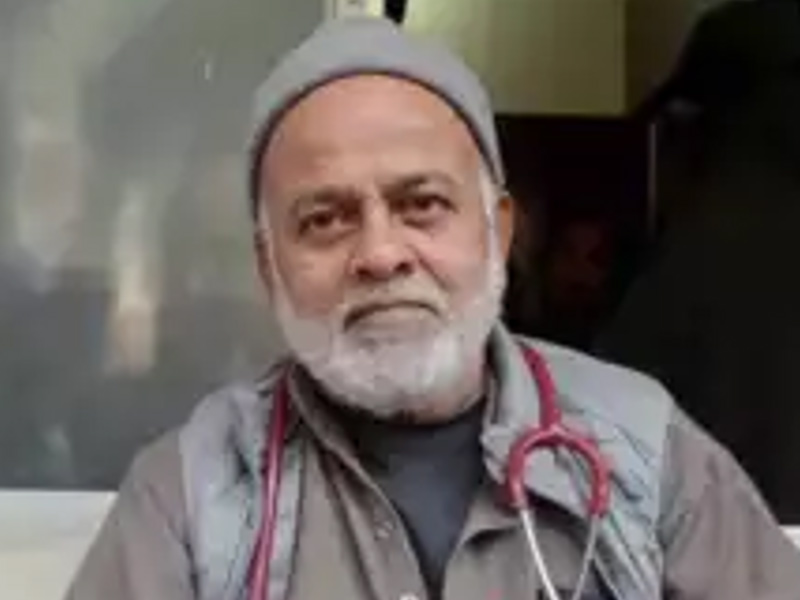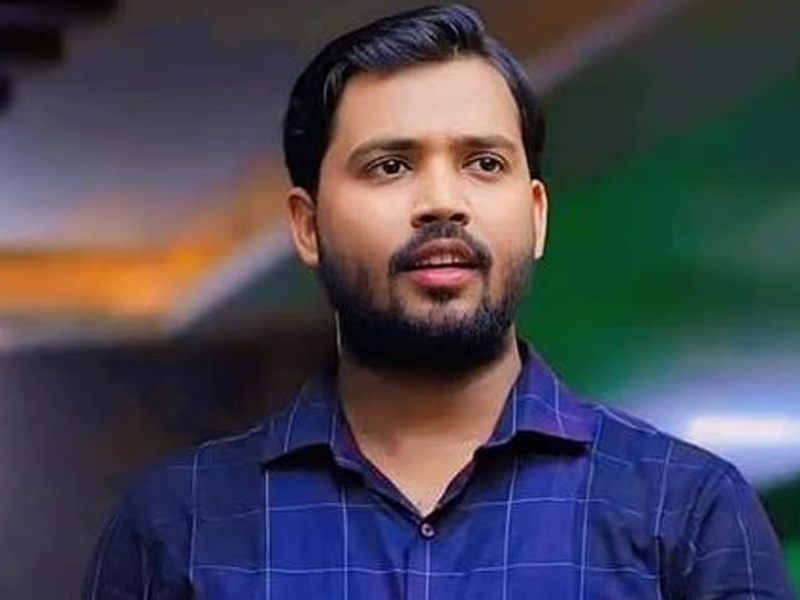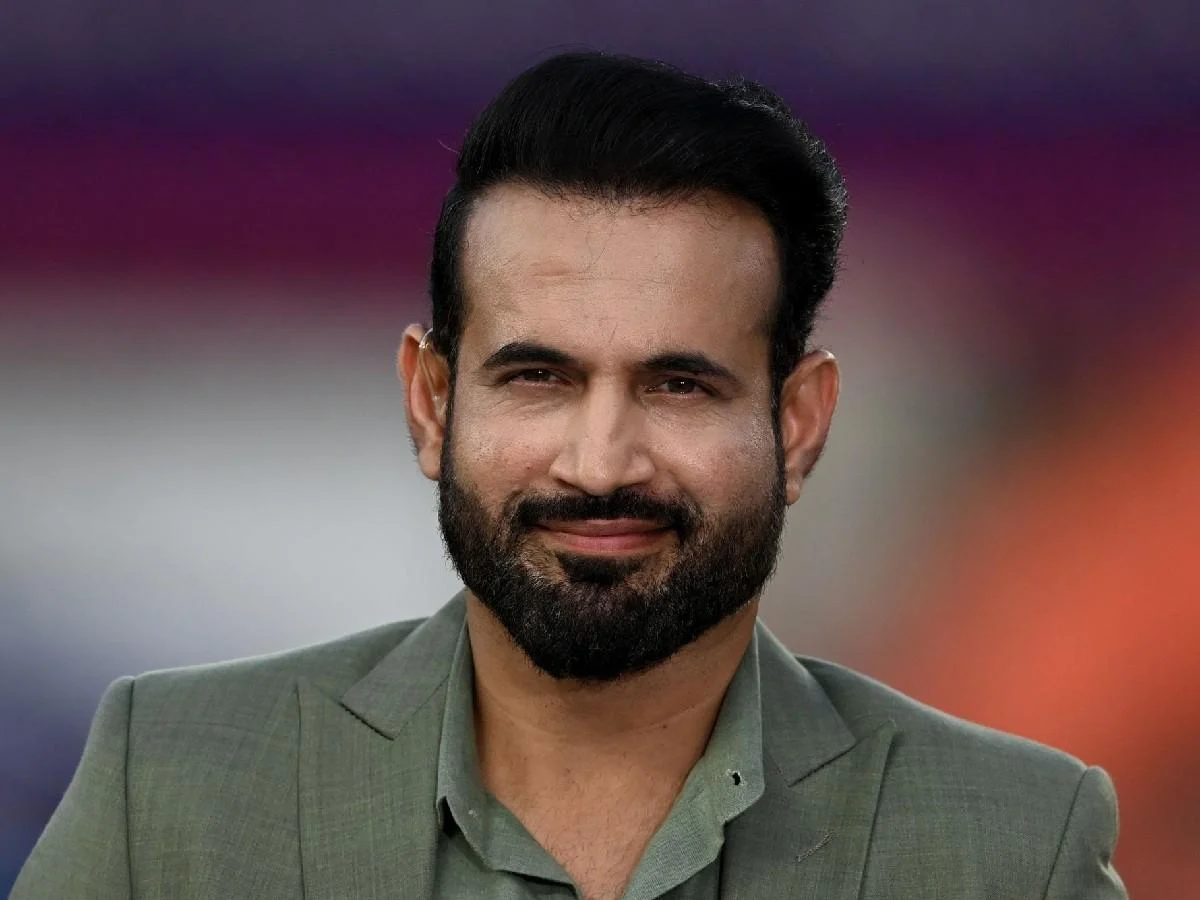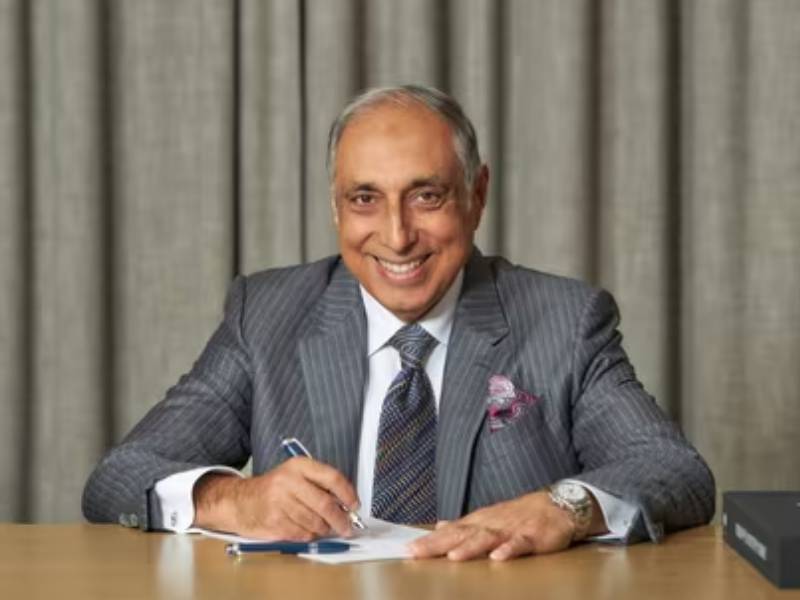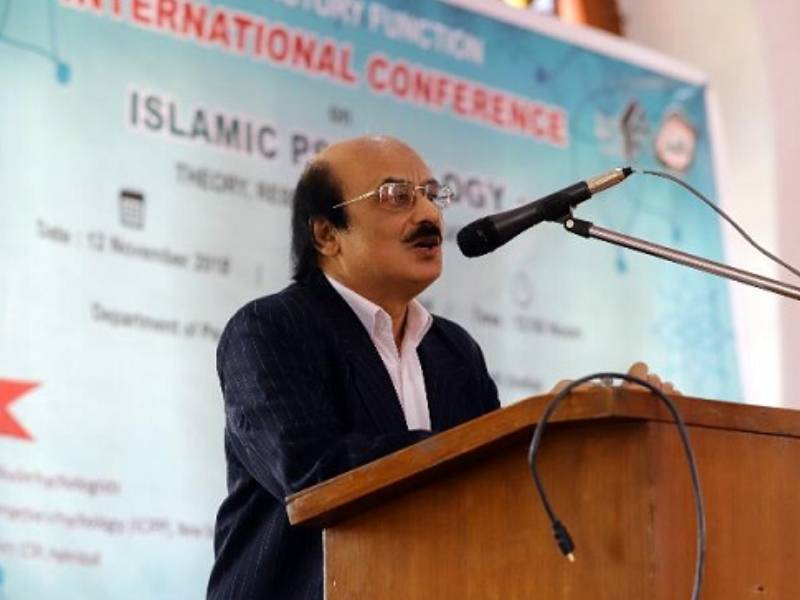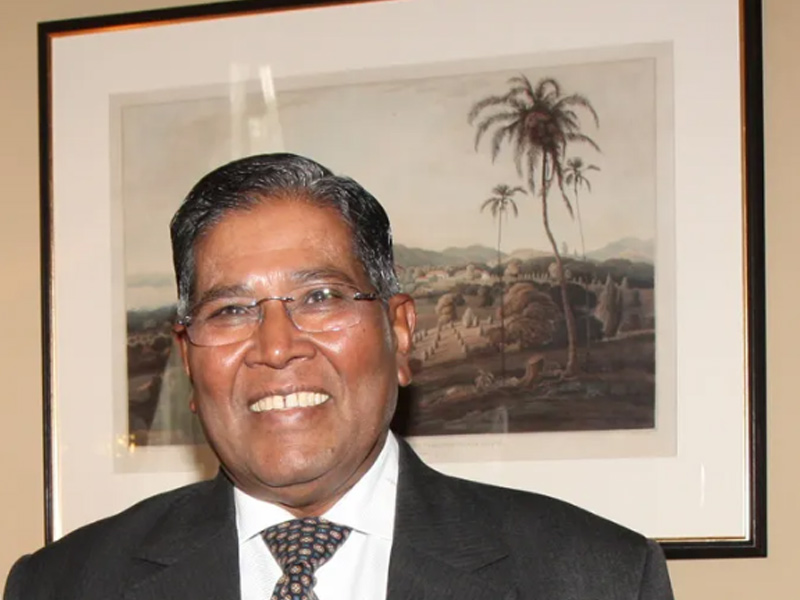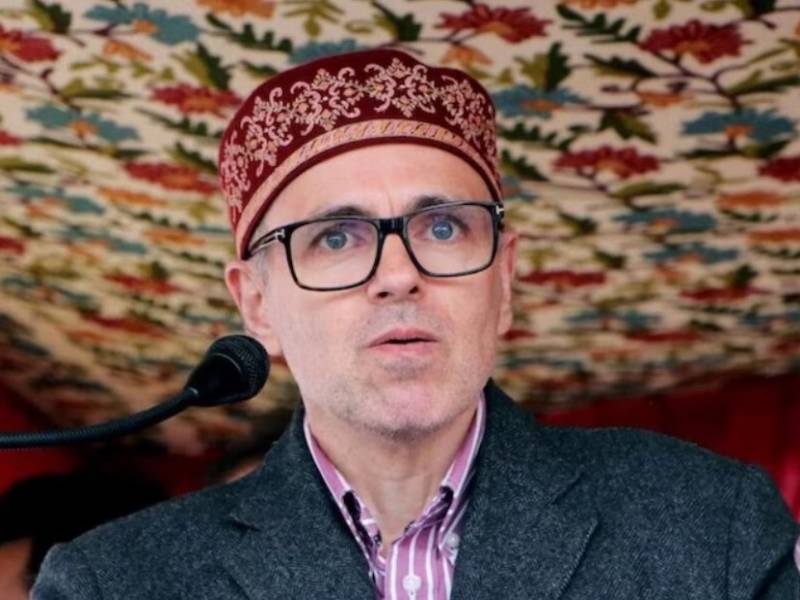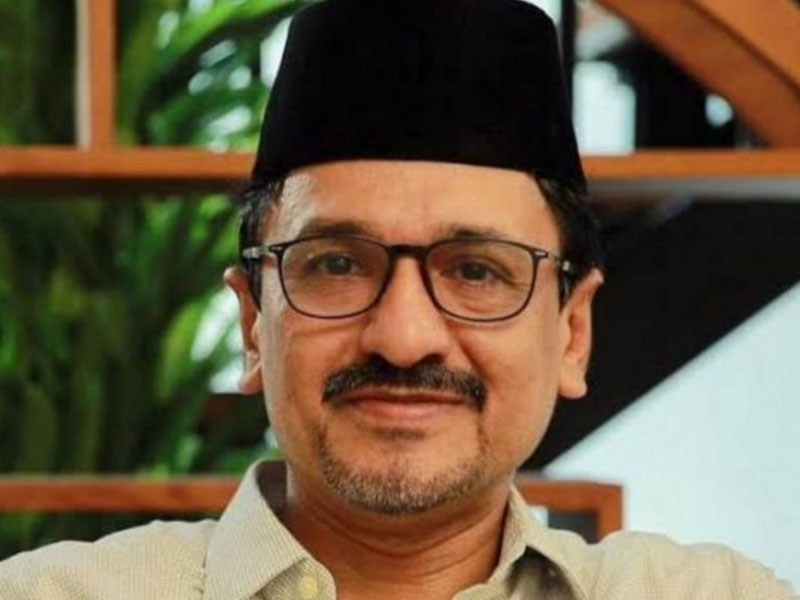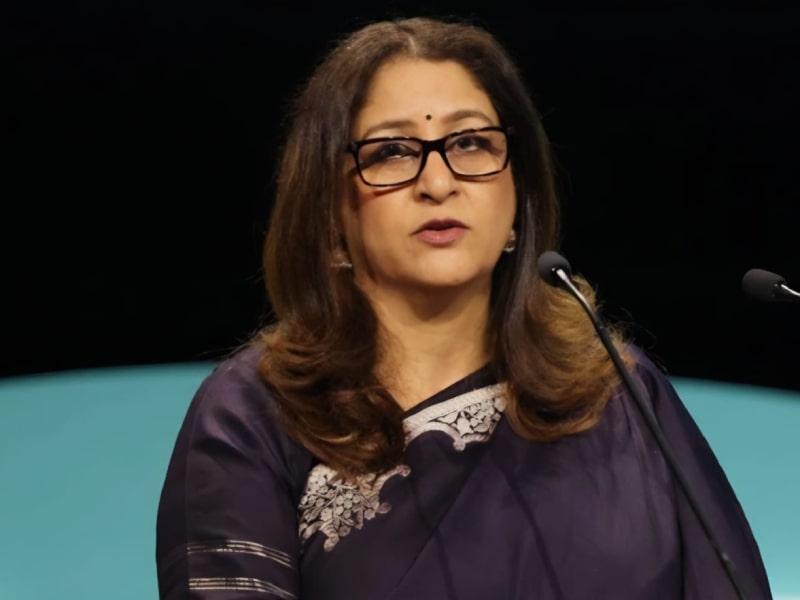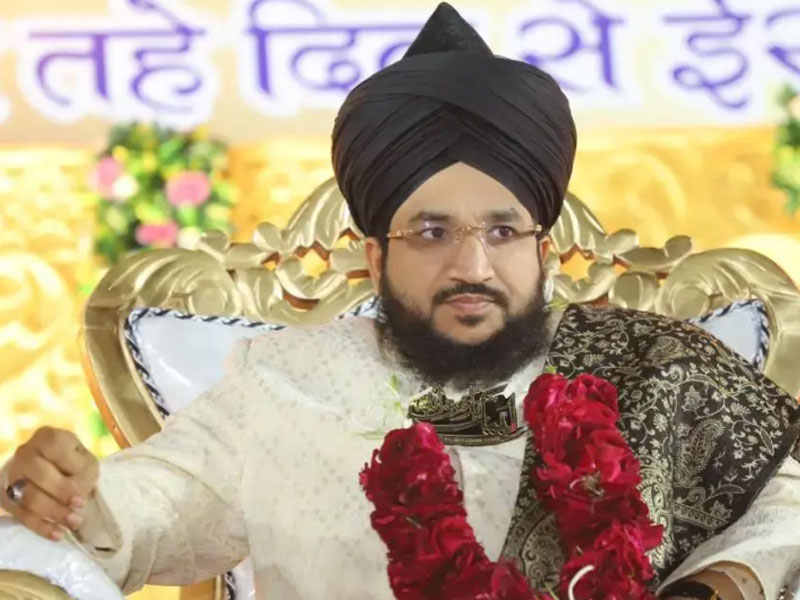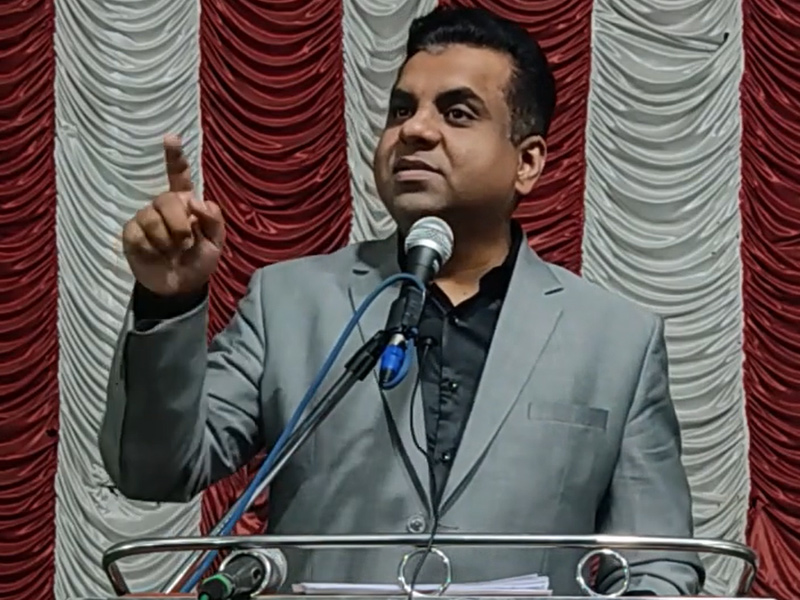
Umair Ilyasi: Bridging Faith, Community, and Public Dialogue
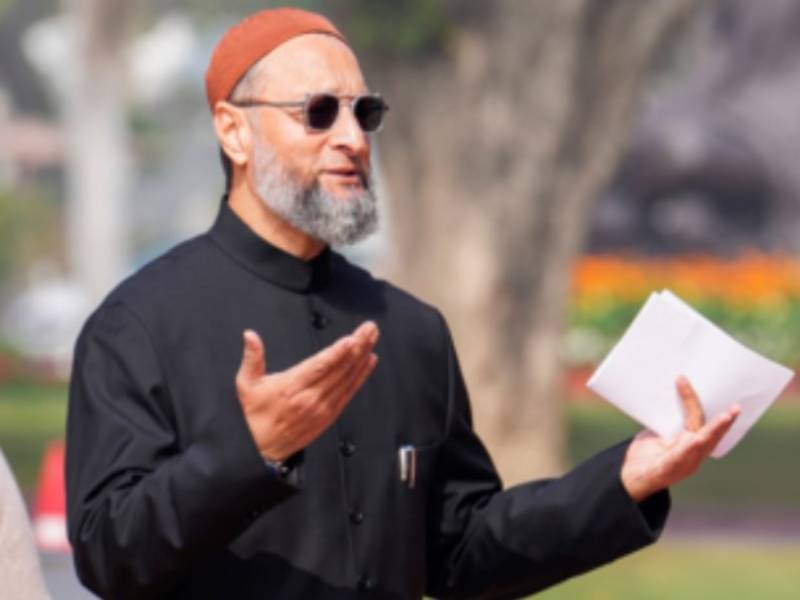
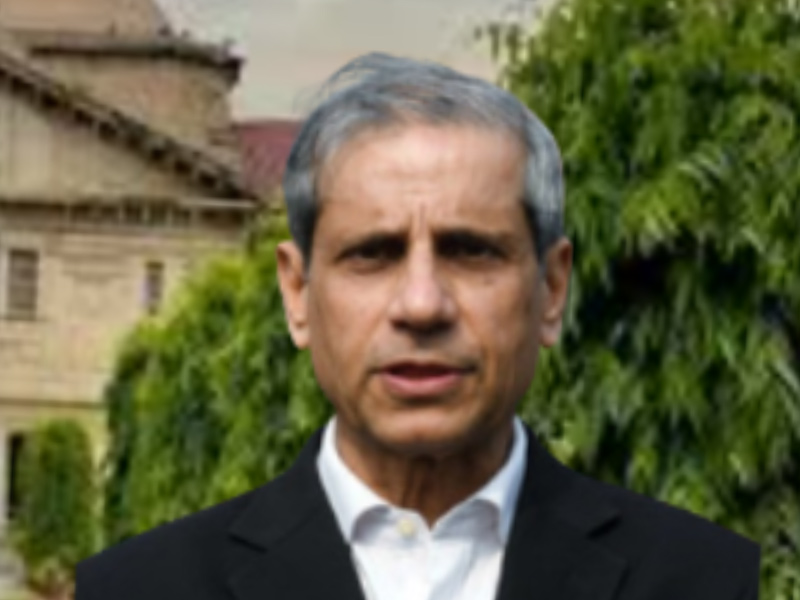
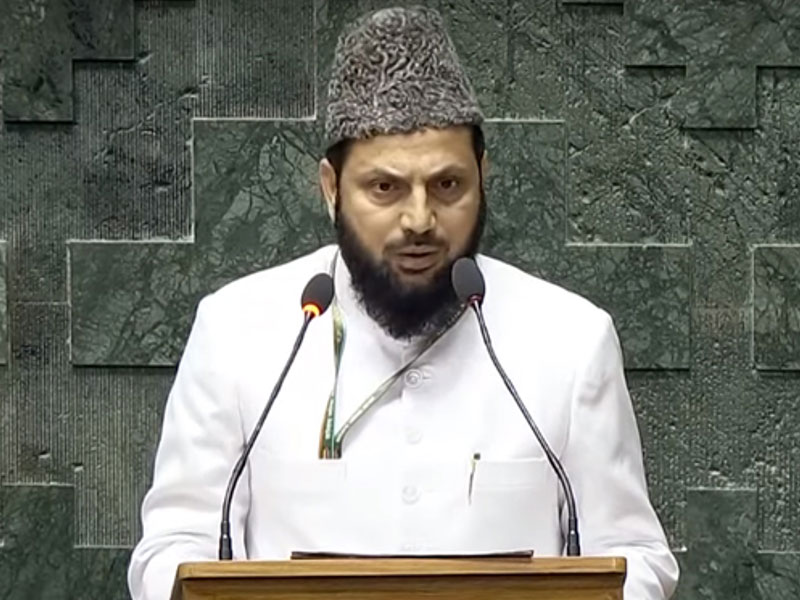
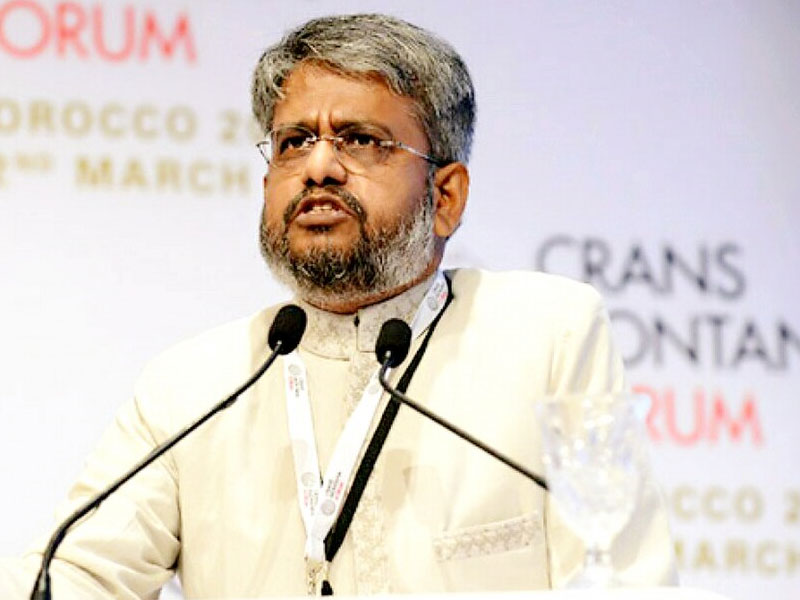
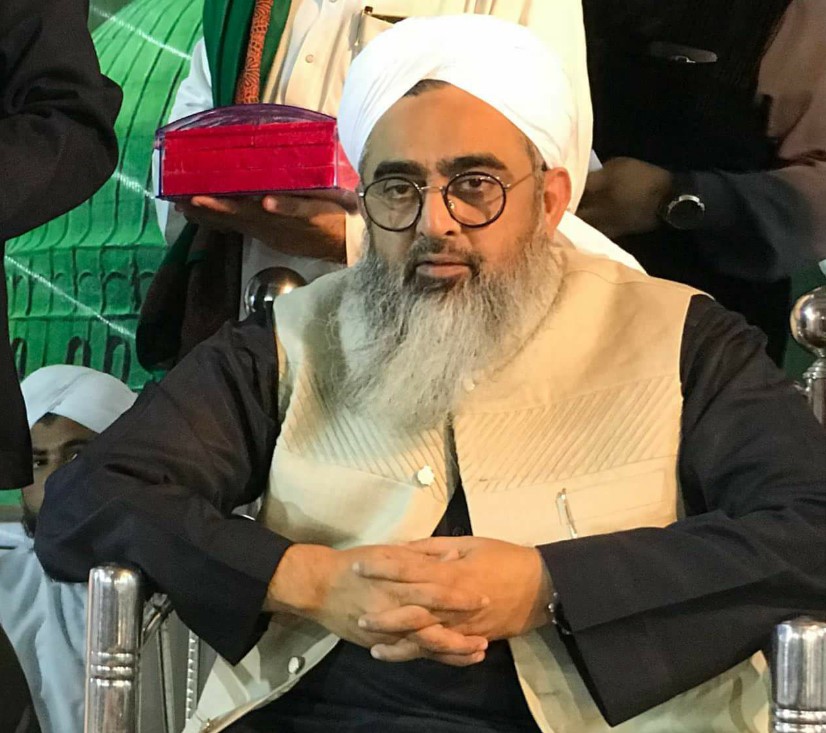
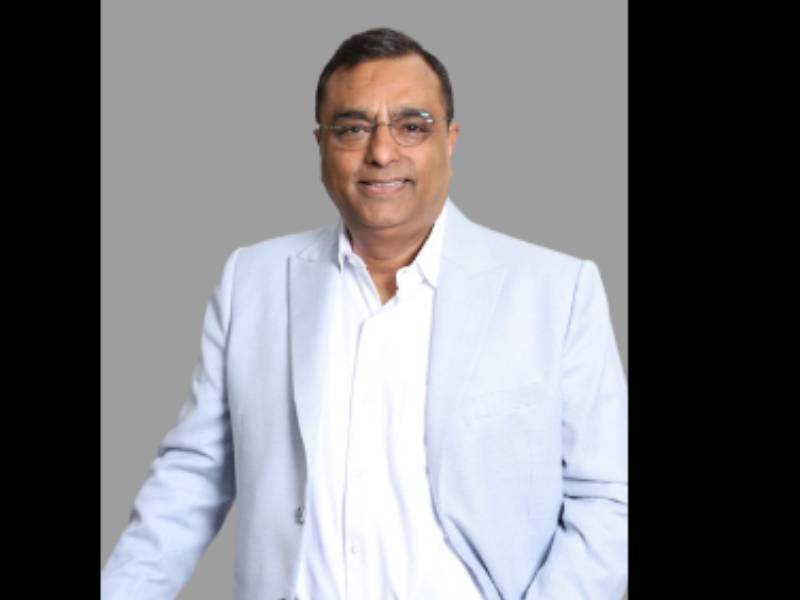
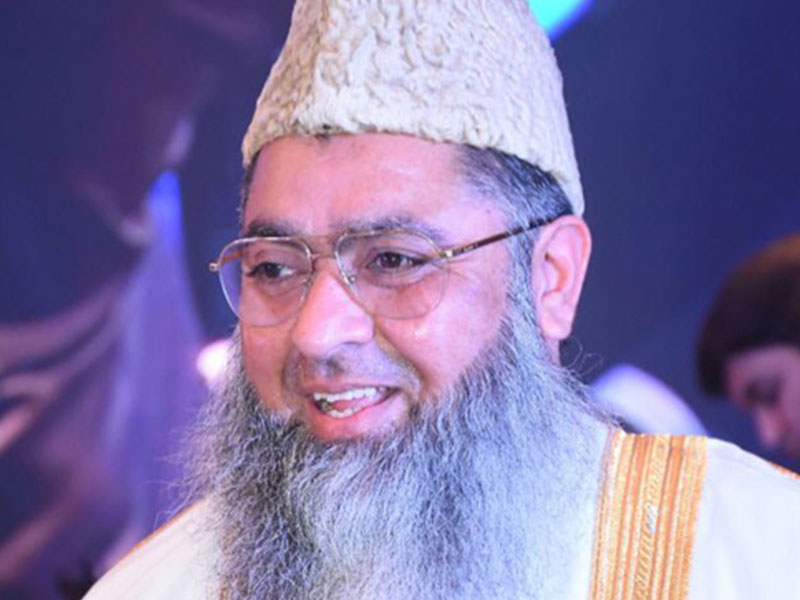
Umair Ilyasi occupies a distinctive space in India’s religious and public life—one that blends spiritual leadership with civic engagement. As the Chief Imam of the All India Imam Organization (AIIO), he has emerged as a recognizable Muslim voice advocating dialogue, social harmony, and constructive engagement between religious communities and the state. His work reflects an effort to position religious leadership not in isolation, but within the broader framework of India’s plural and constitutional society.
Born into a family with a strong religious tradition, Umair Ilyasi was exposed early to Islamic scholarship and community leadership. His upbringing emphasized faith alongside responsibility, shaping a worldview in which religious practice is closely linked to social conduct and public ethics. Over time, he developed an approach that seeks to balance traditional religious values with the realities of a rapidly changing, diverse nation.
As head of the All India Imam Organization, Ilyasi represents thousands of mosque imams across the country, particularly those serving at the grassroots level. One of his central concerns has been the social and economic conditions of imams, many of whom work with limited resources and recognition. Through advocacy and engagement with government institutions, he has raised issues related to welfare, dignity, and institutional support for religious functionaries, arguing that community leaders must themselves be empowered to serve effectively.
Umair Ilyasi has often emphasized the role of imams not merely as prayer leaders, but as social guides and moral counselors. In his public statements, he has encouraged religious leaders to address issues such as education, health, women’s dignity, addiction, and social responsibility from the pulpit. This expanded vision of religious leadership reflects his belief that faith must engage with everyday challenges rather than remain confined to ritual.
At the national level, Ilyasi is known for his engagement with interfaith dialogue and public institutions. He has participated in conversations aimed at reducing mistrust between communities and fostering mutual respect. Supporters view this engagement as a pragmatic effort to ensure Muslim concerns are heard within mainstream discourse. Critics, meanwhile, have questioned aspects of his approach, reflecting the broader debates within the community about representation and strategy. Ilyasi has responded by maintaining that dialogue, however imperfect, is preferable to disengagement and silence.
Media visibility has played a role in shaping his public image. Unlike many traditional religious leaders, Umair Ilyasi is comfortable navigating television debates, public forums, and digital platforms. His communication style is generally measured and accessible, designed to reach audiences beyond strictly religious circles. This visibility has made him a familiar figure, but it has also placed him under constant scrutiny—a challenge he appears willing to accept as part of public leadership.
Those who work with him describe Ilyasi as organized, persistent, and focused on institution-building rather than individual prominence. He often stresses that religious leadership must evolve with time while remaining anchored in ethical principles. Faith, for him, is not a barrier to citizenship but a moral resource that can strengthen it.
In a polarized environment where religious voices are often framed in extremes, Umair Ilyasi represents a middle path—seeking engagement over isolation and reform over rhetoric. Whether one agrees with his methods or not, his role underscores an important reality of modern India: that religious leadership continues to matter, especially when it strives to speak not just to its own community, but to the nation at large.
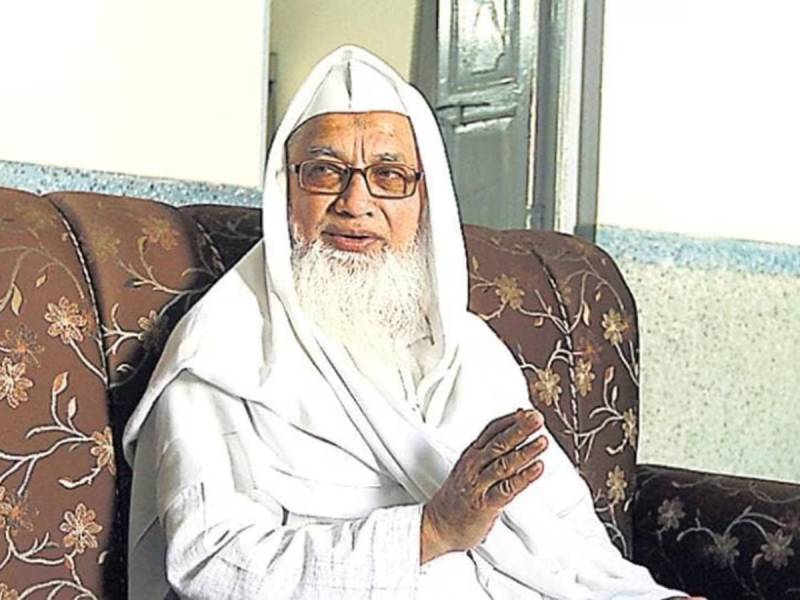
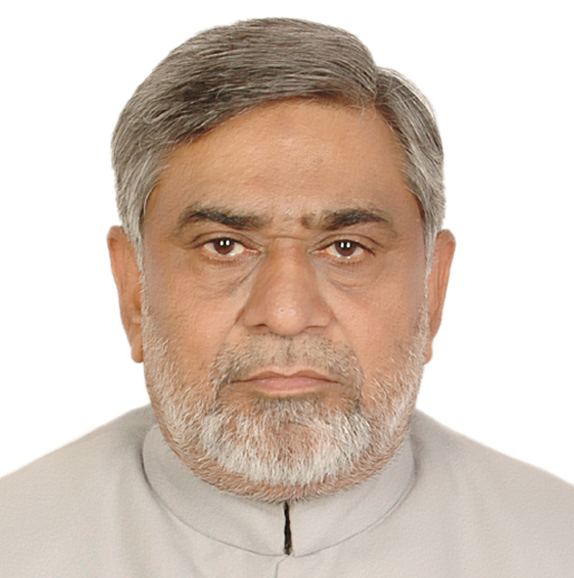
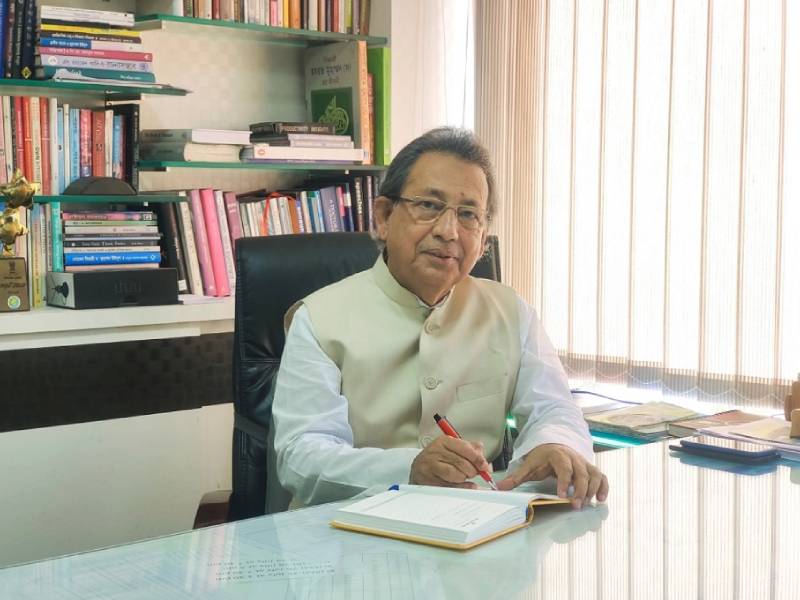
Qumruzzama Azmi: Islamic Scholar
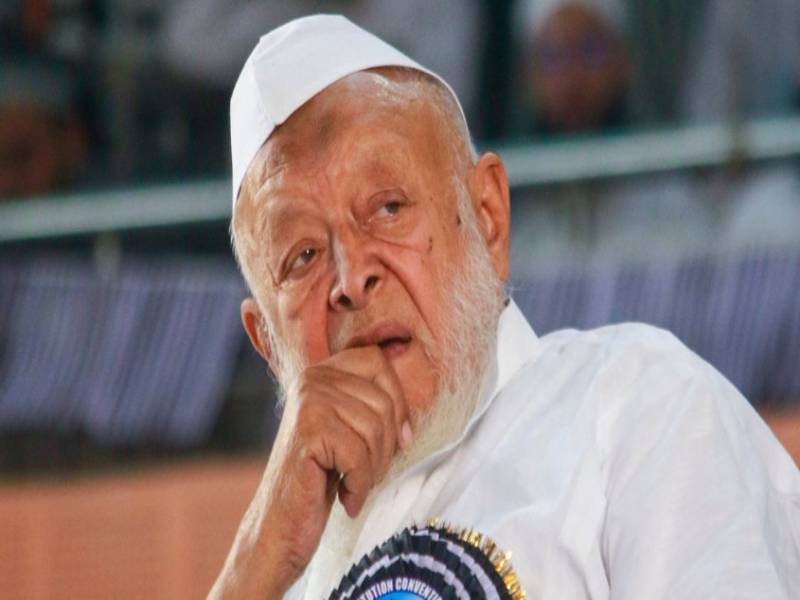
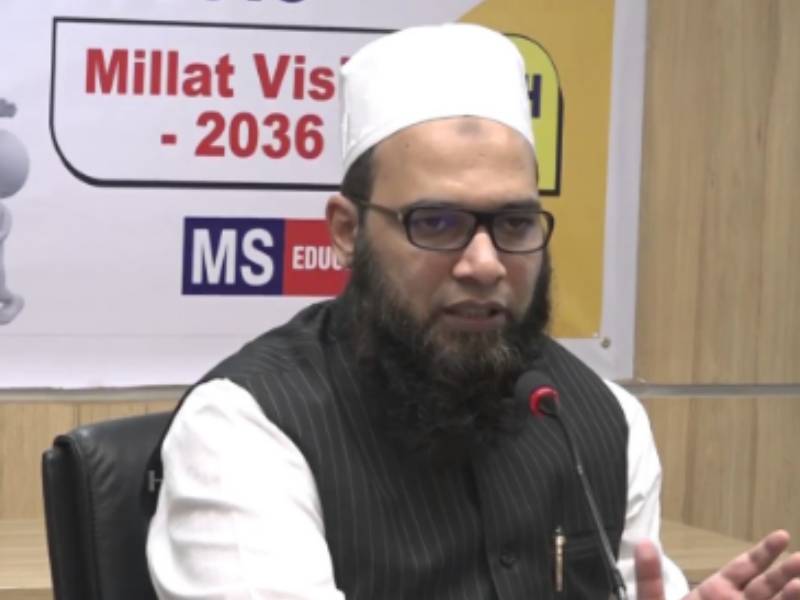
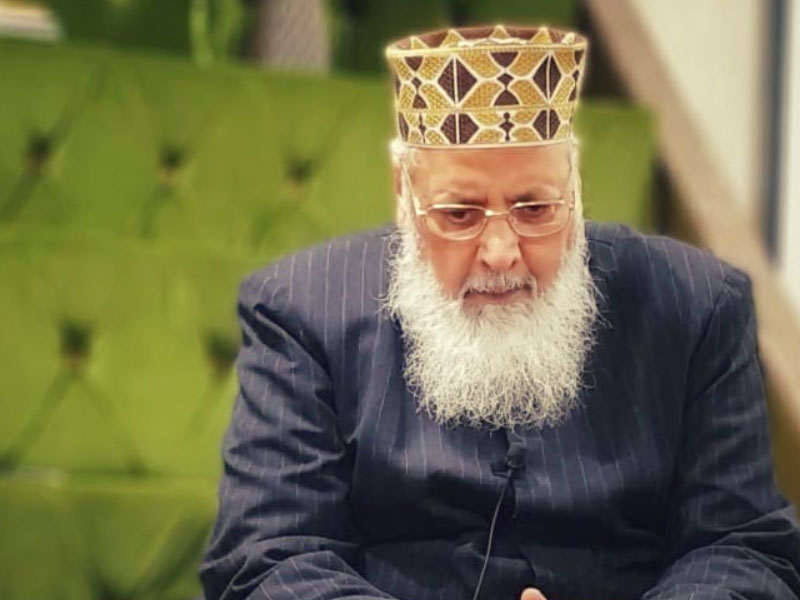
Qumruzzama Azmi (born 1946) widely respected as Maulana Azmi, is a distinguished Islamic scholar and one of the most influential voices in contemporary Islamic thought and leadership. Born in Azamgarh, Uttar Pradesh, India, in 1946, he received his early Islamic education at the esteemed Al Jamiatul Ashrafia, Mubarakpur, where he excelled in Islamic jurisprudence, theology, and Arabic literature.
Maulana Azmi’s profound understanding of Islamic teachings, coupled with his eloquence and insight, quickly earned him a reputation as a dynamic leader. His efforts to bridge gaps between communities and promote Islamic values in modern contexts have made him a sought-after scholar worldwide.
Azmi has dedicated much of his life to serving the Muslim community globally. He is closely associated with the World Islamic Mission (WIM), a prominent organization committed to promoting unity among Muslims and addressing the challenges they face. As the General Secretary of WIM, he has played a pivotal role in establishing mosques, Islamic centers, and educational institutions in various countries, particularly in Europe and North America.
An ardent advocate of peaceful coexistence, Maulana Azmi emphasizes the importance of interfaith dialogue and communal harmony. His lectures and writings have inspired countless Muslims to uphold the principles of justice, compassion, and ethical conduct.
Maulana Azmi is also deeply committed to the socio-economic upliftment of marginalized communities. He has initiated programs for education, healthcare, and poverty alleviation, ensuring the integration of Islamic values with humanitarian service.
Despite his international commitments, he remains rooted in his scholarship, dedicating time to writing, teaching, and guiding students of Islamic sciences. His intellectual contributions and spiritual leadership continue to influence generations of Muslims worldwide.
Qumruzzama Azmi’s legacy is one of knowledge, service, and unwavering dedication to the cause of Islam and humanity.