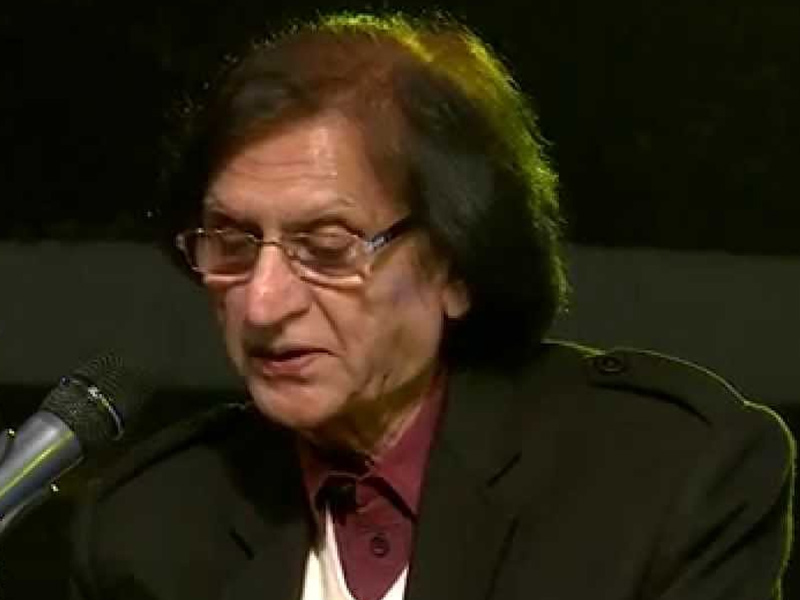

Banu Mushtaq: Giving Voice to the Unheard
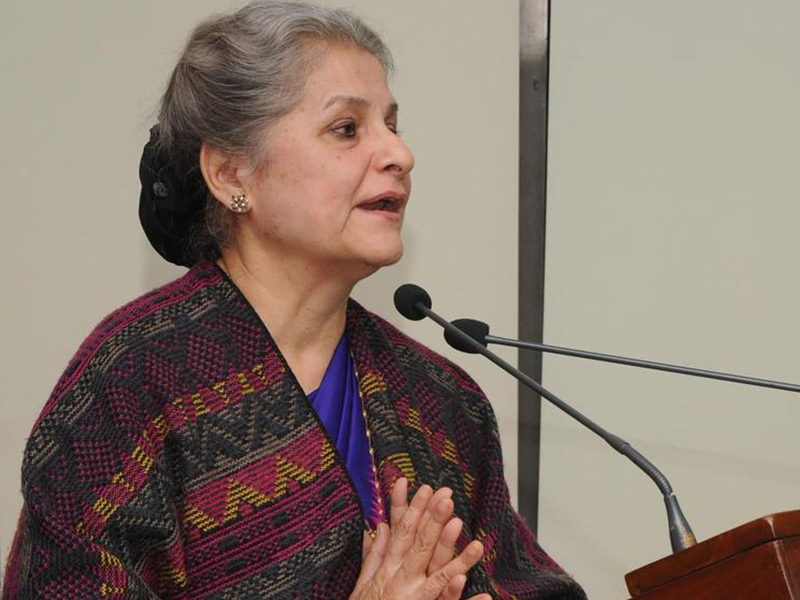
Banu Mushtaq’s literary journey is a quiet revolution—one written not in grand gestures, but in precise, compassionate prose that lays bare the lives of those often pushed to the margins. A celebrated Kannada writer, lawyer, and social activist, Mushtaq rose to international prominence after winning the Booker Prize, a recognition that brought global attention to her deeply rooted, socially conscious body of work. Yet, long before international acclaim, she had already established herself as one of the most fearless and empathetic voices in Indian literature.
Born and raised in Karnataka, Banu Mushtaq’s worldview was shaped by close observation of everyday life, particularly the experiences of Muslim women navigating patriarchy, poverty, and silence. Trained as a lawyer, she brought to her writing a sharp sense of justice and an unflinching eye for structural inequality. Law gave her the language of rights; literature gave her the freedom to explore pain, resistance, and dignity in all their complexity.
Mushtaq began writing in Kannada, choosing deliberately to work within a regional language tradition. This choice was both political and personal. She believed that the most authentic stories emerge from the languages people dream, argue, and suffer in. Her short stories, essays, and novels focus on ordinary lives—women confined by rigid norms, families fractured by social hypocrisy, and individuals quietly rebelling against imposed identities. There is no melodrama in her work, only a steady insistence on truth.
What distinguishes Banu Mushtaq’s writing is its moral courage. She writes about uncomfortable realities—gender injustice, religious conservatism, domestic oppression—without caricature or condemnation. Her characters are flawed, human, and deeply recognizable. Rather than speaking for them, she allows them to speak for themselves, trusting readers to confront the questions her stories raise. This restraint is precisely what gives her work its power.
The Booker Prize marked a turning point, not only for Mushtaq, but for Kannada literature itself. It signaled global recognition of stories rooted in local realities and affirmed the importance of translation as an act of cultural bridge-building. For Mushtaq, the award was never an endpoint. She has repeatedly emphasized that literary recognition matters only insofar as it amplifies silenced voices. The spotlight, she insists, belongs not to the author but to the lives reflected in her pages.
Beyond literature, Banu Mushtaq has been an active advocate for women’s rights and social reform. As a lawyer, she worked with vulnerable communities, and as a public intellectual, she has spoken against injustice with clarity and calm resolve. Her activism and writing are not separate pursuits; they are extensions of the same ethical commitment—to stand with those denied dignity and to question systems that normalize suffering.
Despite international acclaim, Mushtaq remains grounded and understated. She resists literary celebrity, preferring the discipline of writing and the intimacy of readers who see their own lives mirrored in her work. Her success has inspired a new generation of writers, particularly women writing in Indian languages, to trust their stories and their voices.
Banu Mushtaq’s achievement lies not only in winning a prestigious prize, but in redefining what literary success can mean. Her work reminds us that the most powerful stories are not always loud or spectacular. Sometimes, they are quiet acts of truth—written with honesty, empathy, and an unshakeable belief that literature can still be a force for justice.

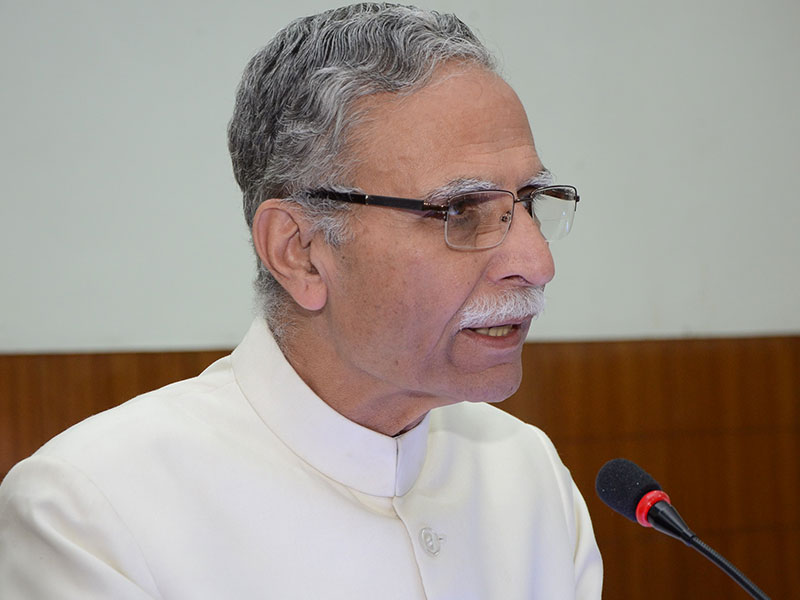
Qumruzzama Azmi: Islamic Scholar
Qumruzzama Azmi (born 1946) widely respected as Maulana Azmi, is a distinguished Islamic scholar and one of the most influential voices in contemporary Islamic thought and leadership. Born in Azamgarh, Uttar Pradesh, India, in 1946, he received his early Islamic education at the esteemed Al Jamiatul Ashrafia, Mubarakpur, where he excelled in Islamic jurisprudence, theology, and Arabic literature.
Maulana Azmi’s profound understanding of Islamic teachings, coupled with his eloquence and insight, quickly earned him a reputation as a dynamic leader. His efforts to bridge gaps between communities and promote Islamic values in modern contexts have made him a sought-after scholar worldwide.
Azmi has dedicated much of his life to serving the Muslim community globally. He is closely associated with the World Islamic Mission (WIM), a prominent organization committed to promoting unity among Muslims and addressing the challenges they face. As the General Secretary of WIM, he has played a pivotal role in establishing mosques, Islamic centers, and educational institutions in various countries, particularly in Europe and North America.
An ardent advocate of peaceful coexistence, Maulana Azmi emphasizes the importance of interfaith dialogue and communal harmony. His lectures and writings have inspired countless Muslims to uphold the principles of justice, compassion, and ethical conduct.
Maulana Azmi is also deeply committed to the socio-economic upliftment of marginalized communities. He has initiated programs for education, healthcare, and poverty alleviation, ensuring the integration of Islamic values with humanitarian service.
Despite his international commitments, he remains rooted in his scholarship, dedicating time to writing, teaching, and guiding students of Islamic sciences. His intellectual contributions and spiritual leadership continue to influence generations of Muslims worldwide.
Qumruzzama Azmi’s legacy is one of knowledge, service, and unwavering dedication to the cause of Islam and humanity.