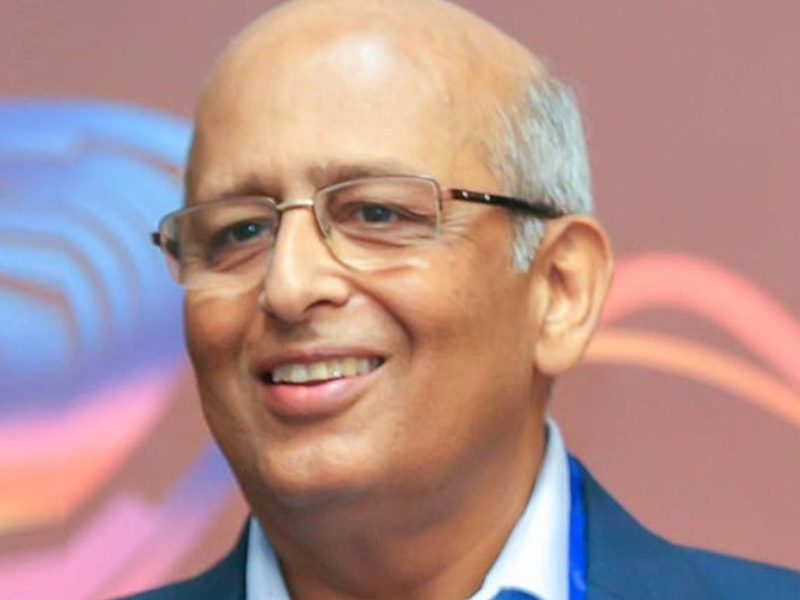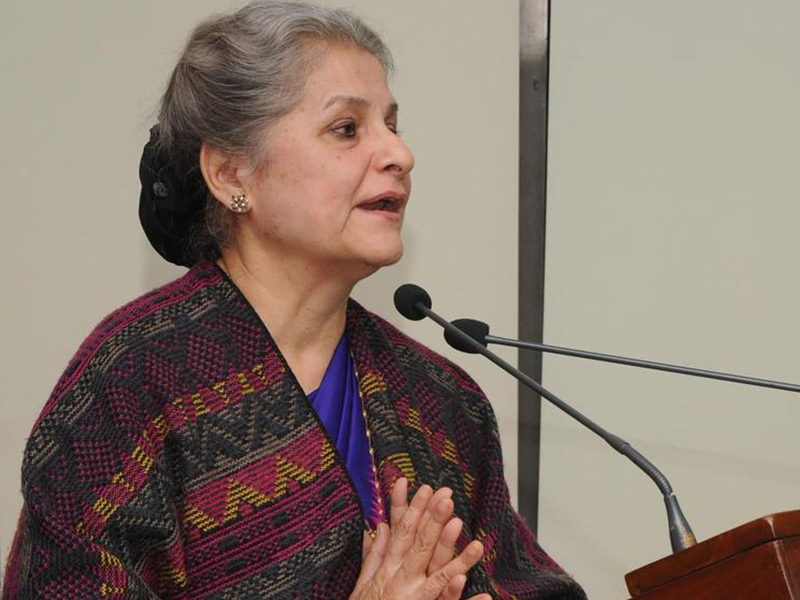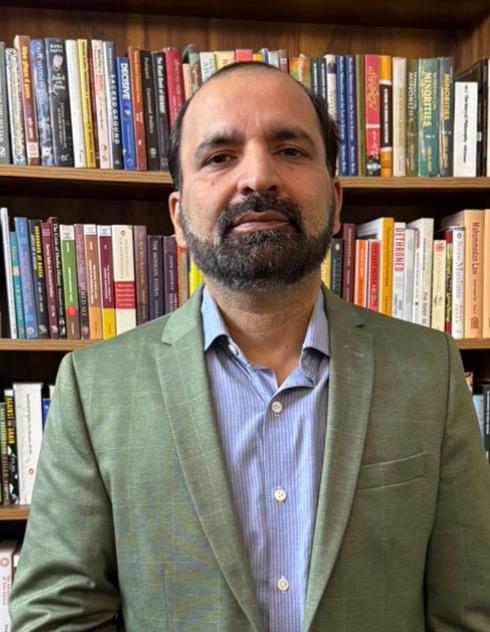

Khan Sir: The Teacher Who Turned Education Into a Movement
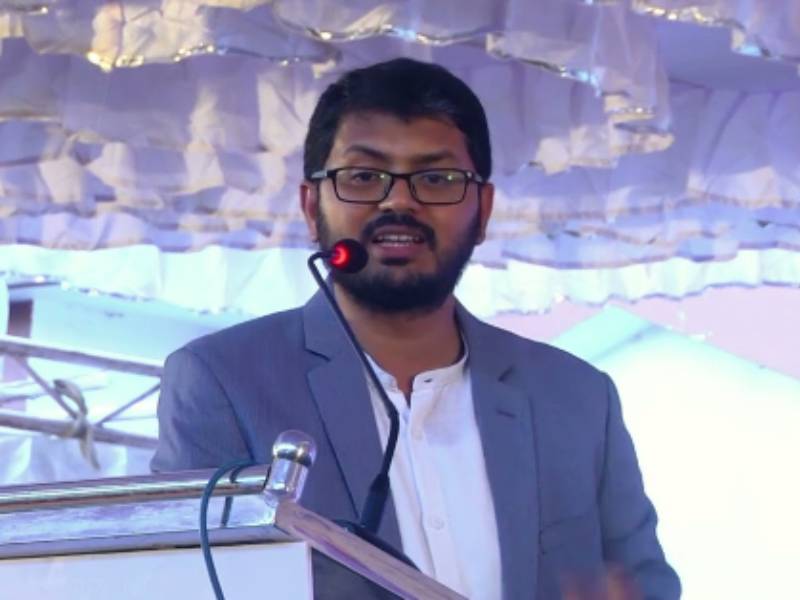
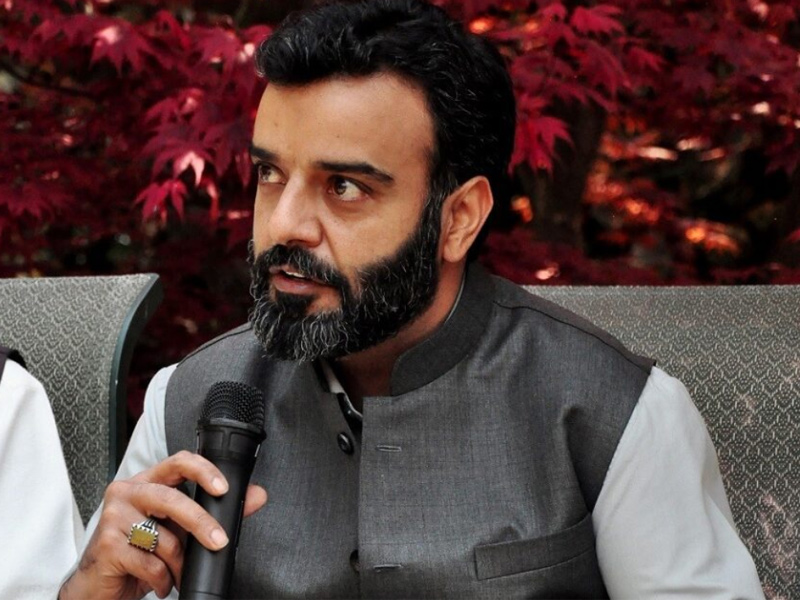
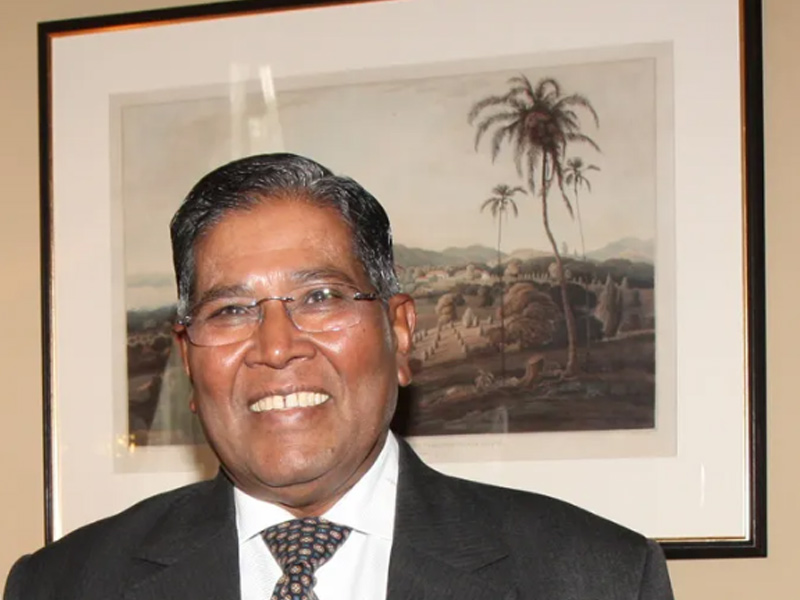
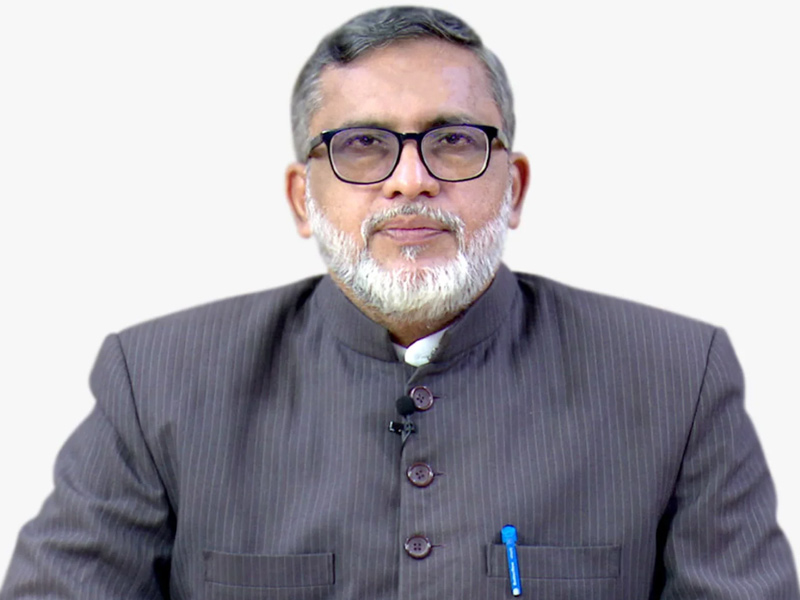
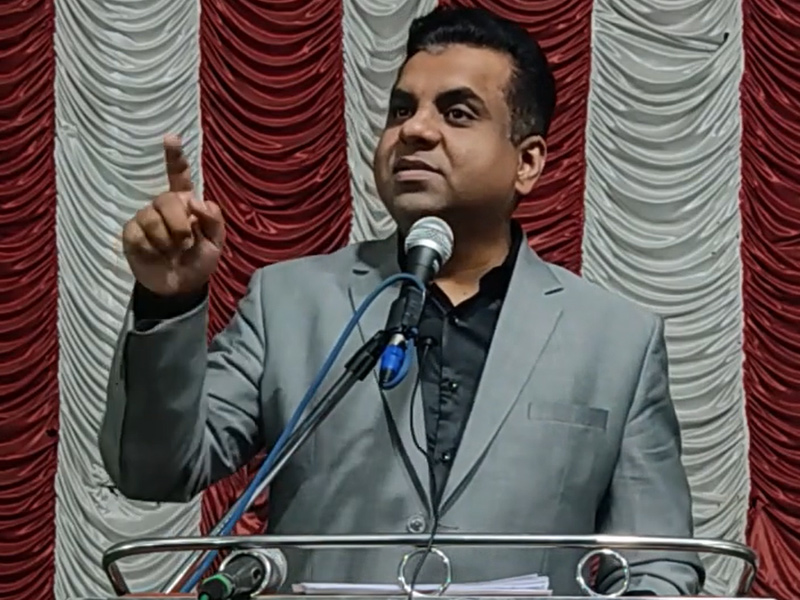
In an era dominated by coaching empires, glossy classrooms, and high-priced education, Khan Sir of Patna stands apart as a phenomenon rooted in simplicity, sincerity, and service. Known nationally for his distinctive teaching style and deeply relatable explanations, Khan Sir is more than an educator—he is a movement that has redefined what accessible education can look like in contemporary India.
Based in Patna, Khan Sir rose to prominence not through aggressive marketing or elite affiliations, but through word of mouth and the unwavering trust of students. His classroom, modest in appearance, became a space where complex subjects were broken down into everyday language, local metaphors, and real-life examples. Geography, history, current affairs, and science were no longer intimidating; they became understandable, engaging, and even enjoyable. For millions of students preparing for competitive examinations, especially those from economically weaker backgrounds, Khan Sir became a beacon of hope.
What makes Khan Sir’s journey truly inspirational is his uncompromising commitment to affordability. At a time when coaching fees often push families into debt, he deliberately kept his fees minimal, believing that financial constraints should never determine a student’s future. This decision, often described as economically irrational, reflects a deeper moral conviction: education is a public good, not a luxury product. His success challenges the notion that quality education must come at a high cost.
Khan Sir’s teaching philosophy is grounded in clarity and conscience. He does not merely prepare students for exams; he encourages them to think critically, understand social realities, and develop a sense of responsibility toward the nation. His lectures often blend academic content with lessons on ethics, civic duty, and national awareness. This holistic approach has earned him respect not only as a teacher, but as a mentor and guide.
The digital expansion of his classroom during the rise of online education amplified his reach exponentially. Through YouTube and digital platforms, Khan Sir’s lectures reached millions across India, including students in remote villages who had limited access to quality teaching. Despite his massive online following, he remained rooted in his original mission—using technology as a tool to democratize knowledge, not commercialize it excessively.
Leadership, in Khan Sir’s case, is quiet and principled. He avoids personal glorification, rarely discusses his private life, and consistently redirects attention toward students and learning. His humility and discipline resonate deeply in a society often enamored with celebrity culture. Students frequently describe him as strict yet caring, demanding yet deeply invested in their success.
Khan Sir’s impact extends beyond examination results. He has inspired a generation of educators to rethink pedagogy and purpose. By proving that empathy, innovation, and integrity can coexist with excellence, he has challenged entrenched hierarchies in the education system.
In a country where education remains the most powerful ladder of social mobility, Khan Sir represents its truest spirit. His story reminds us that transformative leadership does not always emerge from positions of power—it often rises from classrooms, chalkboards, and a relentless belief in students’ potential. Khan Sir’s legacy is not just in the number of successful candidates he has taught, but in the millions he has empowered to believe that learning can change lives.
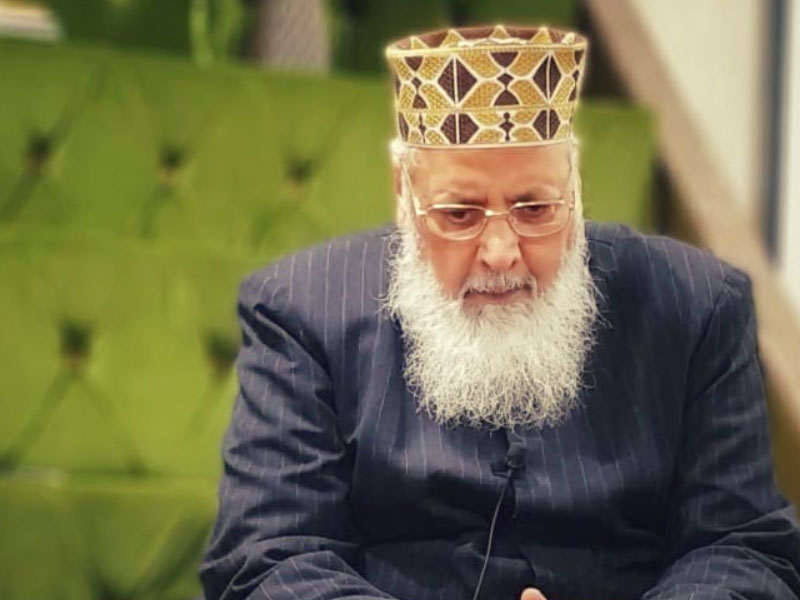
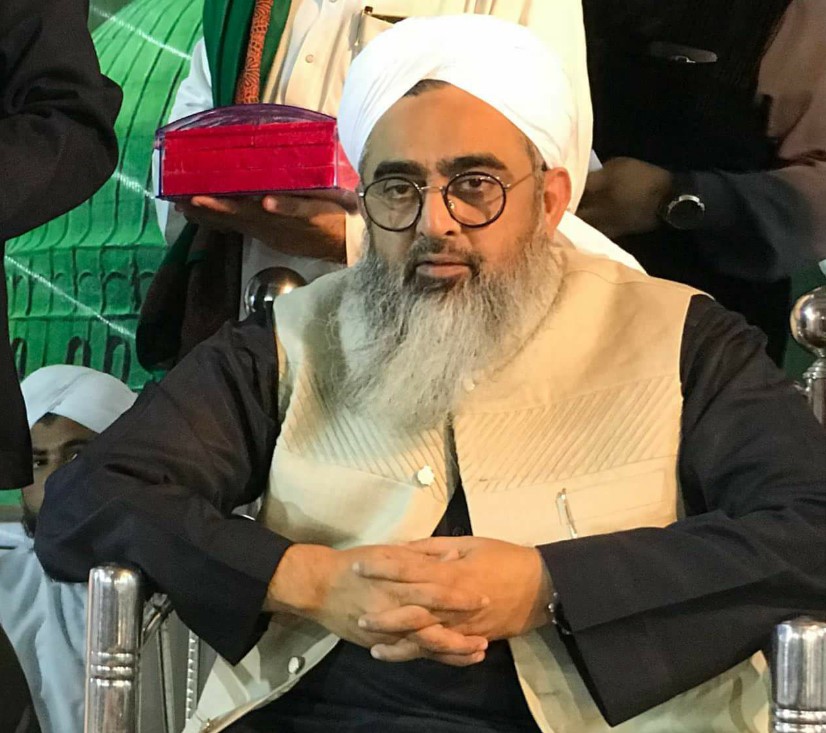
Qumruzzama Azmi: Islamic Scholar
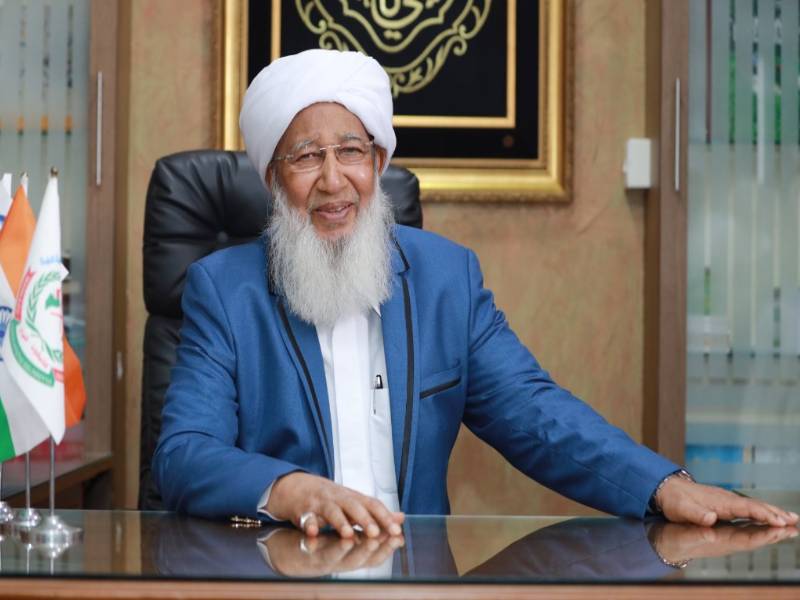
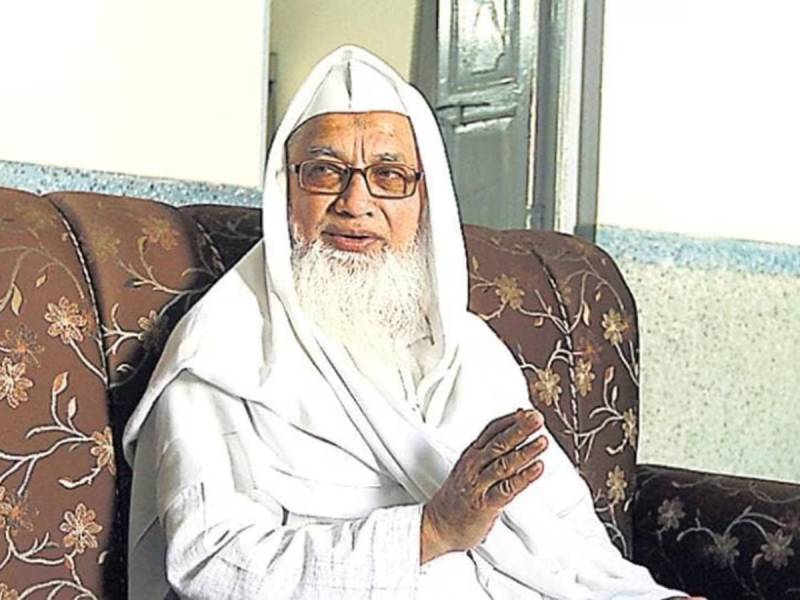
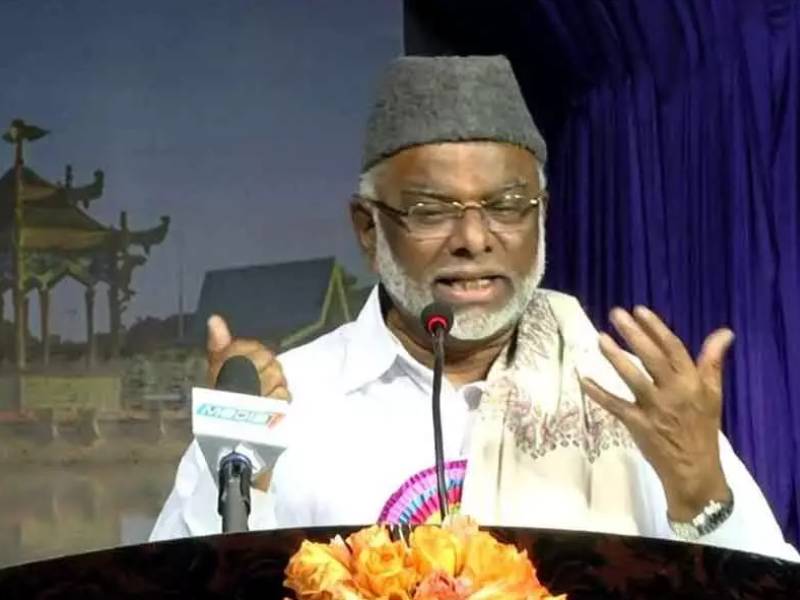
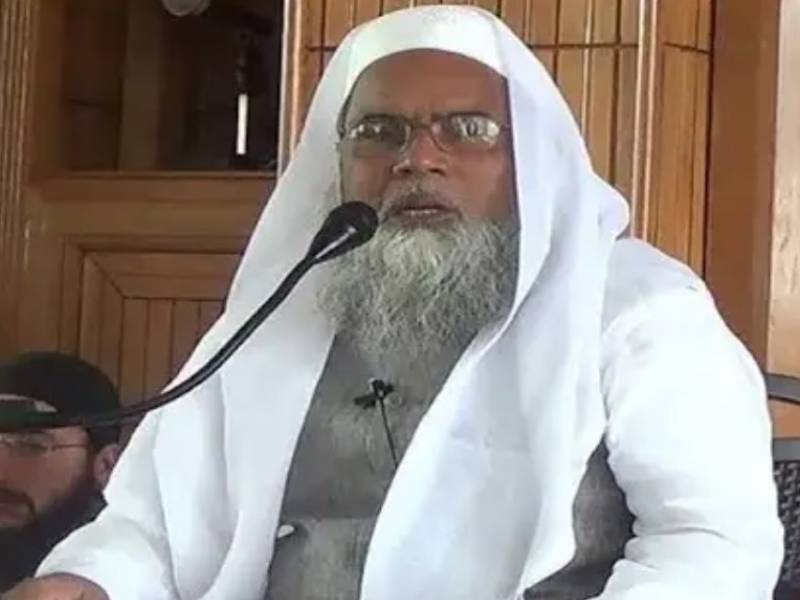
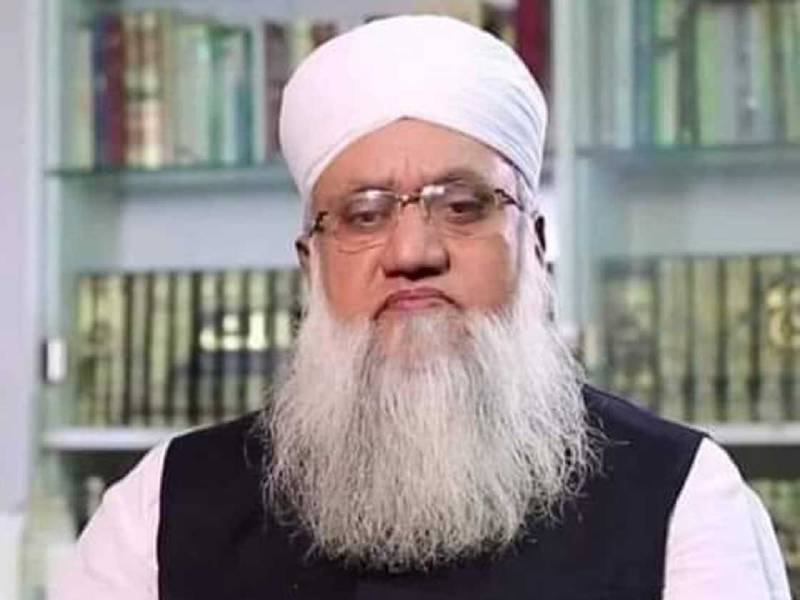
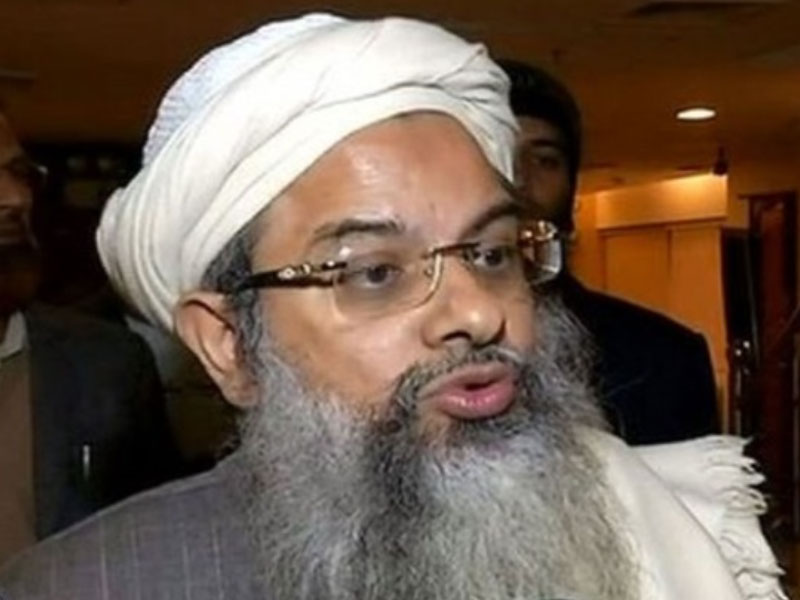
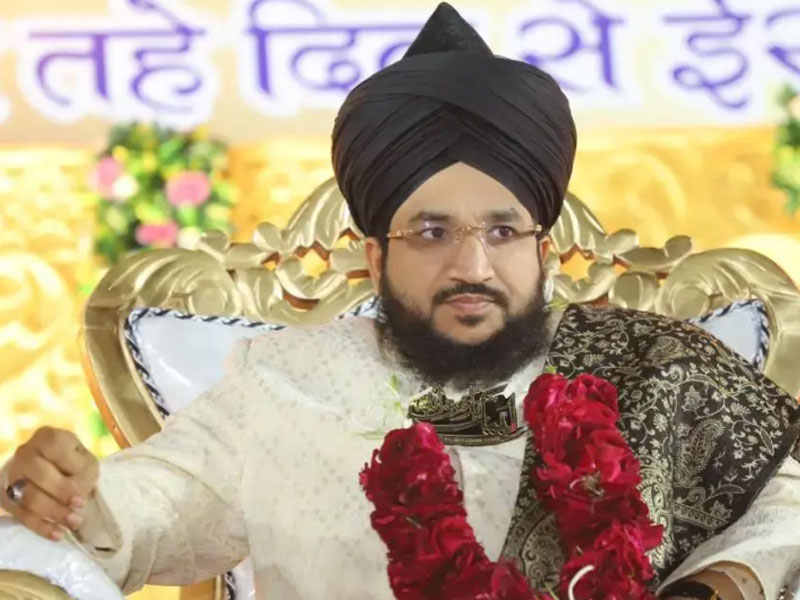
Qumruzzama Azmi (born 1946) widely respected as Maulana Azmi, is a distinguished Islamic scholar and one of the most influential voices in contemporary Islamic thought and leadership. Born in Azamgarh, Uttar Pradesh, India, in 1946, he received his early Islamic education at the esteemed Al Jamiatul Ashrafia, Mubarakpur, where he excelled in Islamic jurisprudence, theology, and Arabic literature.
Maulana Azmi’s profound understanding of Islamic teachings, coupled with his eloquence and insight, quickly earned him a reputation as a dynamic leader. His efforts to bridge gaps between communities and promote Islamic values in modern contexts have made him a sought-after scholar worldwide.
Azmi has dedicated much of his life to serving the Muslim community globally. He is closely associated with the World Islamic Mission (WIM), a prominent organization committed to promoting unity among Muslims and addressing the challenges they face. As the General Secretary of WIM, he has played a pivotal role in establishing mosques, Islamic centers, and educational institutions in various countries, particularly in Europe and North America.
An ardent advocate of peaceful coexistence, Maulana Azmi emphasizes the importance of interfaith dialogue and communal harmony. His lectures and writings have inspired countless Muslims to uphold the principles of justice, compassion, and ethical conduct.
Maulana Azmi is also deeply committed to the socio-economic upliftment of marginalized communities. He has initiated programs for education, healthcare, and poverty alleviation, ensuring the integration of Islamic values with humanitarian service.
Despite his international commitments, he remains rooted in his scholarship, dedicating time to writing, teaching, and guiding students of Islamic sciences. His intellectual contributions and spiritual leadership continue to influence generations of Muslims worldwide.
Qumruzzama Azmi’s legacy is one of knowledge, service, and unwavering dedication to the cause of Islam and humanity.