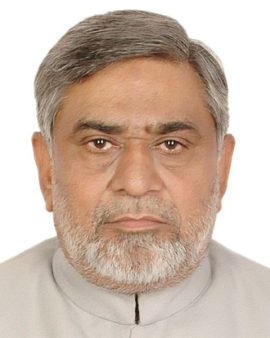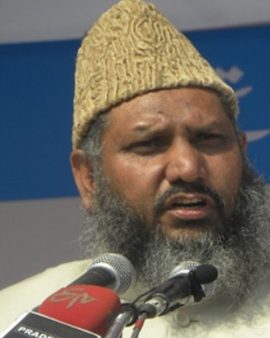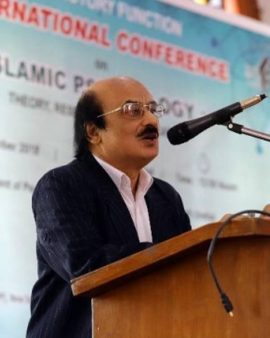


Mohibbullah Nadvi: Islamic Scholar and Member of Parliament from Rampur
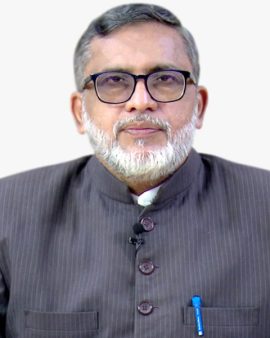
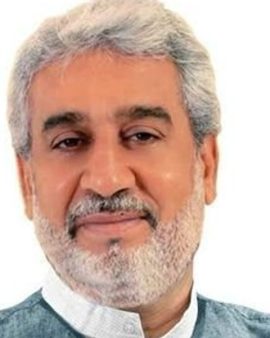
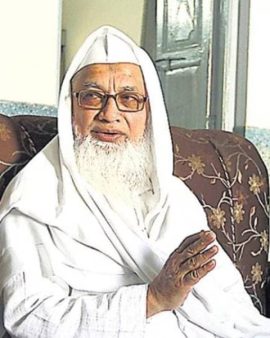
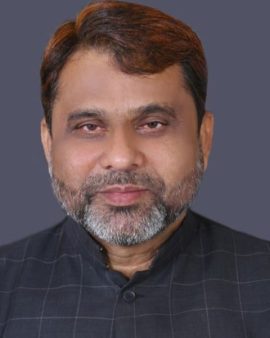
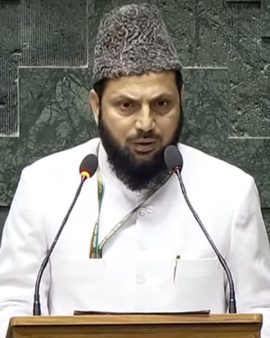
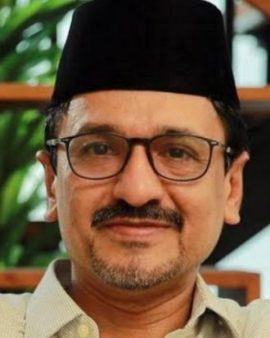
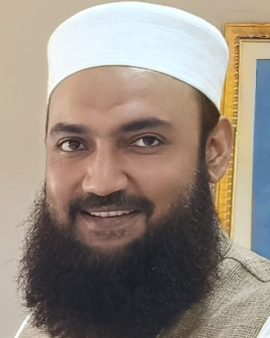
Mohibbullah Nadvi (born 1 January 1976) is an Indian Islamic scholar, cleric, and politician who currently serves as a Member of Parliament in the Lok Sabha, representing the Rampur constituency of Uttar Pradesh. He is also the Imam of the Parliament Street Mosque in New Delhi and is affiliated with the Samajwadi Party.
Born in Razanagar village of Rampur district to Mohammad Ali, Nadvi received his early religious education locally, memorising the Quran (Hifz) in Rampur before continuing his studies at a madrasa in Sambhal. He later pursued advanced Islamic education at Darul Uloom Nadwatul Ulama, Lucknow, where he earned the title “Nadvi,” signifying his scholarly training.
Seeking broader academic exposure, Nadvi briefly studied in Aligarh before enrolling at Jamia Millia Islamia, New Delhi, where he completed a Bachelor’s degree in Arabic (Honours). He later obtained a Master’s degree in Islamic Studies and a Bachelor of Education (BEd) from Al-Falah University, reflecting his engagement with both traditional and modern education systems.
On 28 March 2005, Mohibbullah Nadvi was appointed Imam of the Parliament Street Mosque, a historic religious institution frequented by political leaders, diplomats, and parliamentarians. His role brought him national visibility as a religious figure closely associated with India’s political centre.
In the 2024 Lok Sabha elections, Nadvi entered electoral politics and defeated BJP candidate Ghanshyam Singh Lodhi by a margin of 87,434 votes, marking a significant political victory in Rampur. In Parliament, he has spoken on national and international issues, advocating India’s role as a mediator in global conflicts, including Gaza and Ukraine, emphasising humanitarian values.
Nadvi has also faced controversy related to visits by political leaders to the Parliament Street Mosque. He has consistently denied allegations of misuse of the mosque, maintaining that such interactions were informal, non-political, and in keeping with the mosque’s historical tradition.