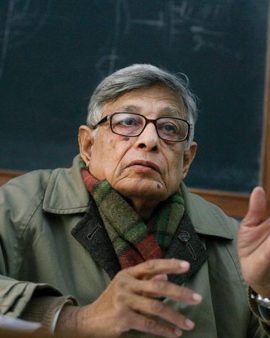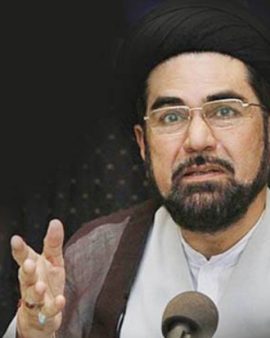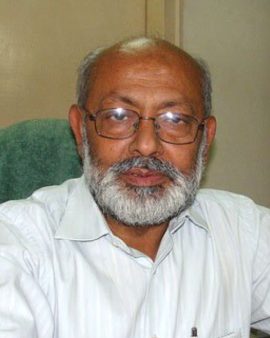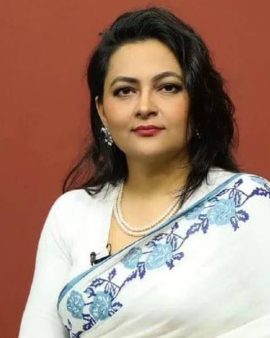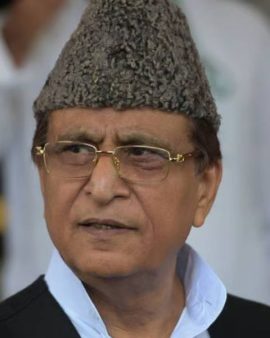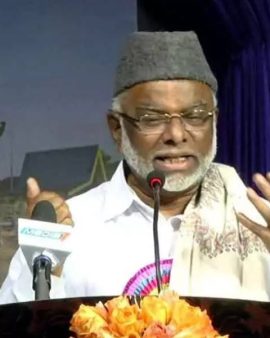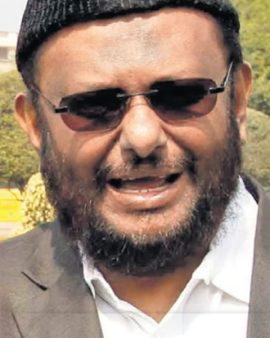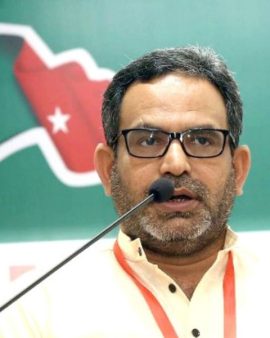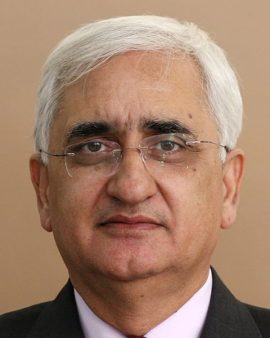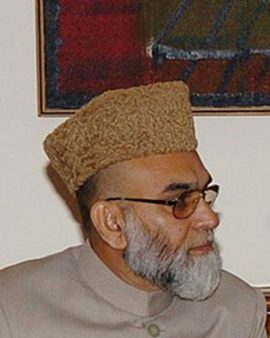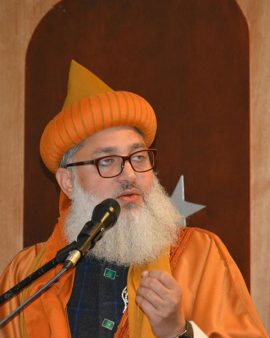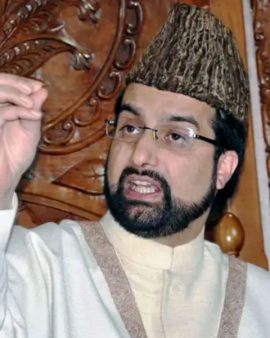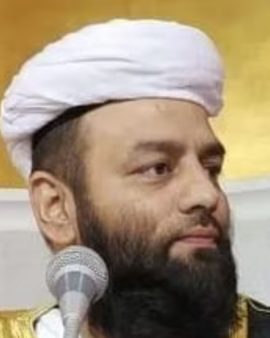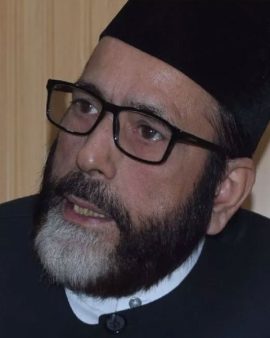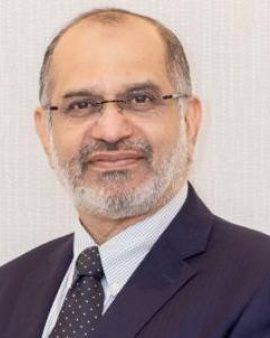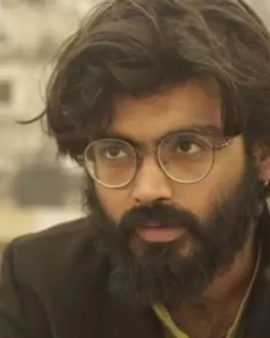
Ziya Us Salam: Journalist/ Author
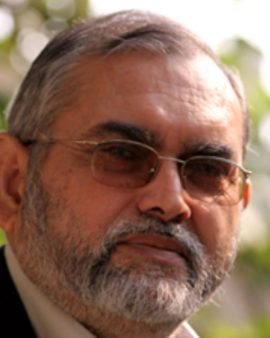
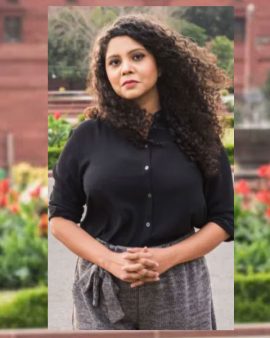
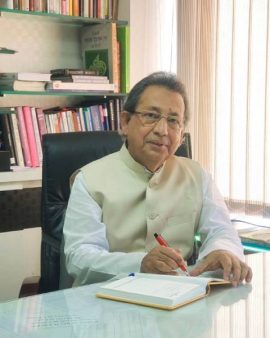
Ziya Us Salam (born in 1970) is a distinguished Indian author, literary critic, journalist, and social commentator. With a career spanning nearly three decades, Salam has become a prominent voice on sociocultural issues, literature, and the challenges faced by India's Muslim community.
Born into a family with an Islamic scholarly lineage, Salam’s father, Mufti Abdul Dayem Sahab, was a renowned Islamic scholar and hadith translator. After his father’s demise in 1983, Salam, his mother, and his sister moved to Delhi, where he pursued his education. He studied at Bluebells School International and later attended a convent school. Salam’s intellectual journey continued at St. Stephen's College, University of Delhi, where he earned a degree in History.
From an early age, Salam exhibited a passion for writing and journalism. By grade seven, his first article was published, and his early initiative of compiling and distributing handwritten notes foreshadowed his future career. In 1995, he officially began his journey as a journalist, working with leading publications such as The Statesman, The Times of India, and The Pioneer. Before joining The Hindu he was Associate Editor of Frontline
Salam is also a prolific author. His book Till Talaq Do Us Part: Understanding Talaq, Triple Talaq and Khula (2018) received acclaim for its clarity and depth in addressing misconceptions about Islamic marital laws. In the same year, he authored Of Saffron Flags and Skullcaps: Hindutva, Muslim Identity and the Idea of India, critically exploring discrimination against Muslims in India.
Salam's latest book Being Muslim in Hindu India is painstakingly researched, that talks of the constant 'othering' of Muslims, using tactics of both peace and violence.
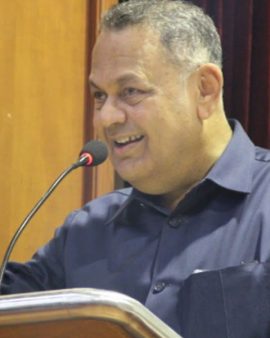
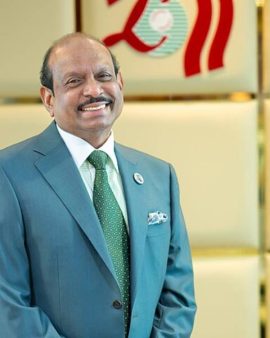
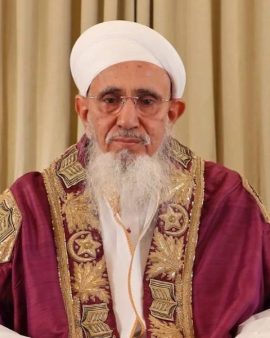
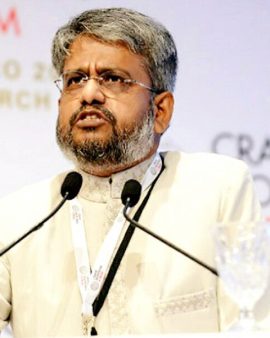
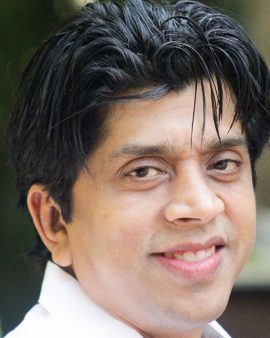
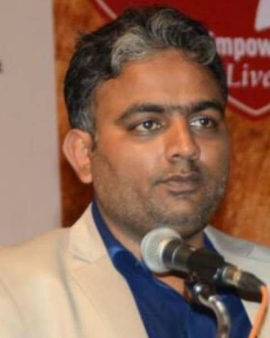
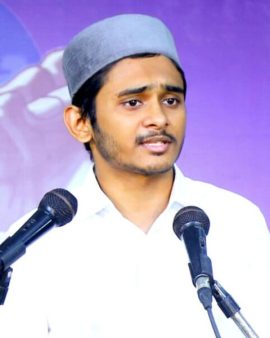
Ahmed Buhari: Entrepreneur, Phylonthropist
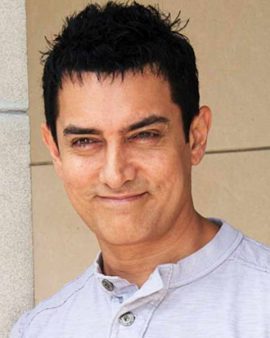
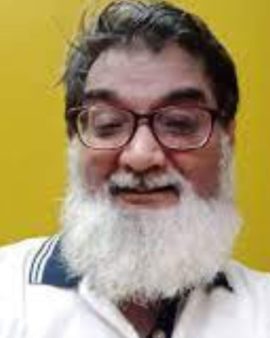
Ahmed Buhari (born in1969) is a dynamic Indian entrepreneur and phylonthropist known for his innovative approach to social work, business and entrepreneurship.
Ahmed Buhari is the President of the United Economic Forum (UEF), a Chennai-based business and social organization Estd in 1979 by his father Dr. B.S. Abdur Rahman, a leading industrialist, educationalist, philanthropist, to uplift the socio-economic status of the community and society through Economic Empowerment, Education, and Social Development.
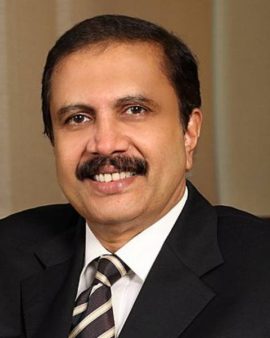
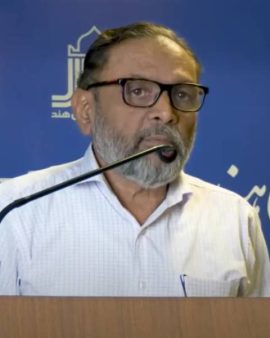
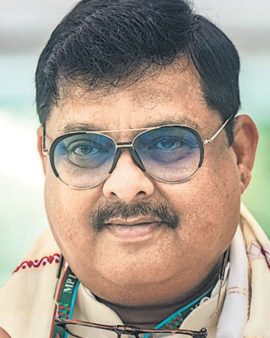
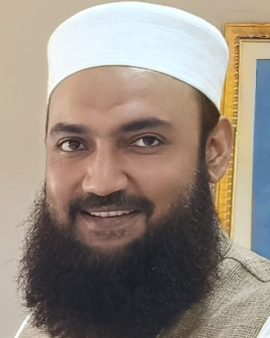
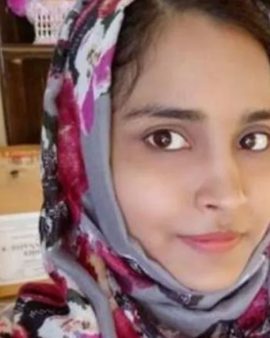
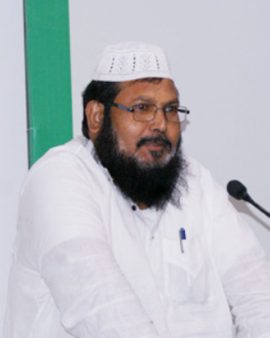
Mahbubul Hoque: Educationist/ Edupreneur/ Academic
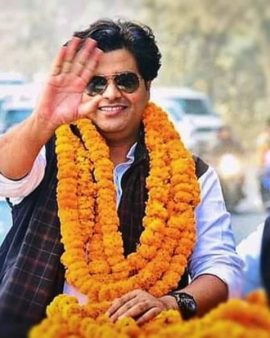
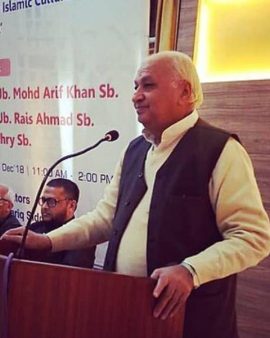
Mahbubul Hoque, an Aligarh Muslim University (AMU) alumnus (1993-2000), is a visionary edupreneur and the founder of multiple educational institutions, including the University of Science and Technology Meghalaya (USTM) and the Chairman of the Education Research and Development Foundation (ERDF) Guwahati, is one such inspiring figure. His vision has not only reshaped the educational prospect in Northeast India but has also brought advanced medical facilities closer to the region’s underserved population. Recently, the Ministry of Health and Family Welfare and the National Medical Commission (NMC) approved the establishment of the PA Sangma International Medical College (PIMC), a collaborative venture between USTM and the Government of Meghalaya, marking a new milestone in Hoque’s journey.
Network of institutions founded by Hoque include schools and colleges specializing in pharmacy, ayurveda, medicine, law, education, engineering, business, and several other streams of education. These are part of the University of Science and Technology Meghalaya, which ranks among the top 200 universities in the country and is accredited with an A grade by NAAC.
Born into a rural family in Karimganj, Assam, Mahbubul Hoque faced a challenging childhood. He lost both his parents and an elder brother at a young age and had to support himself through private tutoring and selling home-grown vegetables to continue his studies. Despite these hardships, he excelled academically, earning first-class marks throughout his career. He completed his B.Sc. and MCA from the prestigious AMU in 2000.
Driven by a deep commitment to education, Hoque returned to Assam with a vision to transform the region’s educational landscape. Rejecting lucrative job offers, he embarked on his entrepreneurial journey in 2001 with just Rs 85, a single computer, and four students. His first venture was a study center housed in a rented building, which he funded by selling assembled computers to establish a computer lab. This initiative quickly became the second-best study center of the Manipal Group nationwide.
Hoque’s journey from a struggling student in rural Assam to a trailblazing educational entrepreneur is a testament to his resilience and visionary leadership. Through ERDF and USTM, he has transformed the lives of thousands of students, provided affordable healthcare, and created a network of institutions dedicated to serving the region. His initiatives continue to reshape the educational and healthcare landscape in Northeast India, making quality education and healthcare more accessible to those in need.
By dedicating himself to his community and country at large, Mahbubul Hoque has established a legacy of hope and opportunity. His life story is a powerful reminder that with determination, innovation, and empathy, one individual can indeed create a ripple effect of positive change.
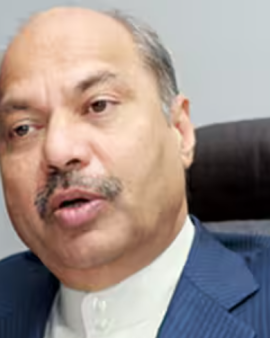
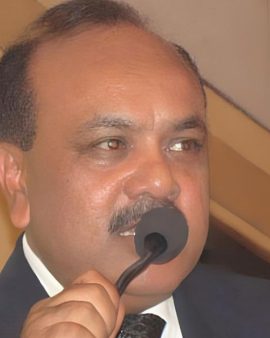
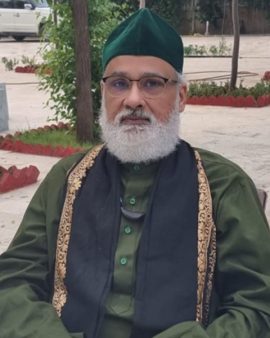
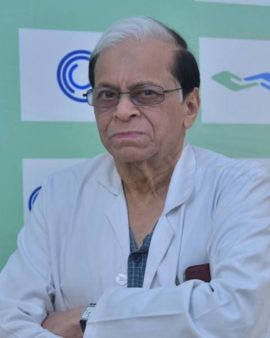
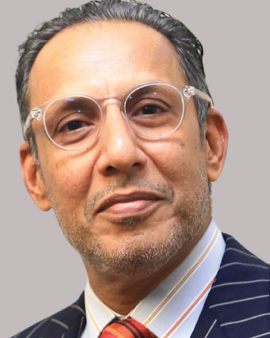
Majid Ahmed: Onco- Surgeon
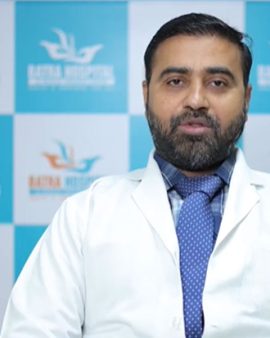
Dr. Majid Ahmed Talikoti is a distinguished oncologist and surgeon whose career exemplifies excellence, compassion, and dedication to cancer care. With over 16,000 successful surgeries to his credit, Dr. Talikoti has emerged as a leading figure in the field of surgical oncology in India.
Dr. Talikoti is currently the Director of Surgical Oncology at Moolchand Healthcare, New Delhi, and serves as a consultant at Batra Hospital and Medical Research Center. His expertise spans across various cancers, with a focus on innovative surgical techniques and personalized patient care. His commitment to advancing oncological treatment has earned him widespread respect among peers and patients alike.
A visionary in healthcare, Dr. Talikoti has been instrumental in establishing and advancing oncology departments at several institutions. Notably, he introduced oncosurgery at Majeedia Hospital, Hamdard University, and at the Faculty of Medical Sciences, KBN University, Gulbarga. As a visiting faculty member and consultant at various medical colleges, he has mentored numerous young doctors, sharing his expertise and inspiring a new generation of healthcare professionals.
Beyond his clinical achievements, Dr. Talikoti is an advocate for universal healthcare access. He strongly believes in providing high-quality care to all patients, including those who cannot afford treatment. His outreach initiatives and philanthropic efforts aim to bridge the gap between medical advancements and accessibility for underprivileged communities.
Dr. Talikoti’s dedication extends to public awareness campaigns about cancer prevention and early detection, underscoring his holistic approach to healthcare. His combination of surgical skill, empathetic care, and advocacy for equitable healthcare makes him a beacon of hope for countless cancer patients.
Dr. Majid is also the Founder, Chairman, and CMD of Medicant Hospital, a 600-bed facility dedicated to providing exceptional healthcare services to the people of Jharkhand and neighboring regions at an affordable cost.
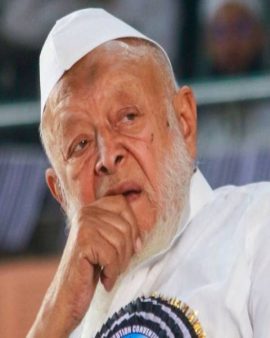
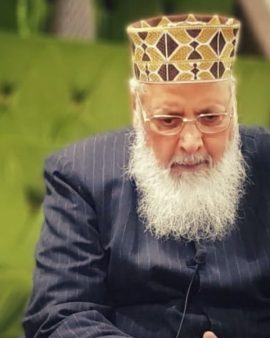
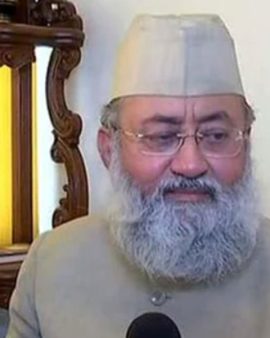
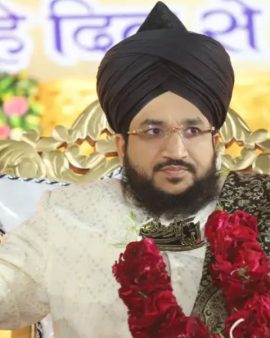
Qumruzzama Azmi: Islamic Scholar
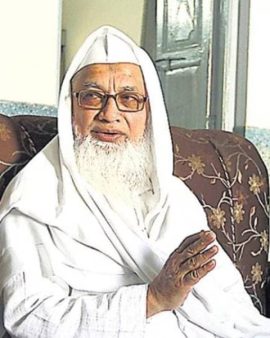
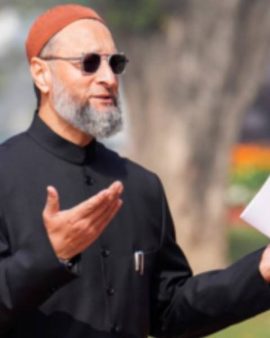
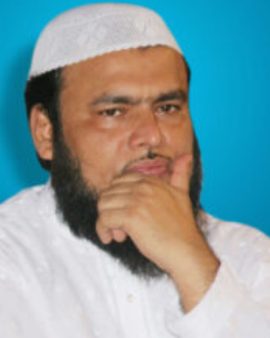
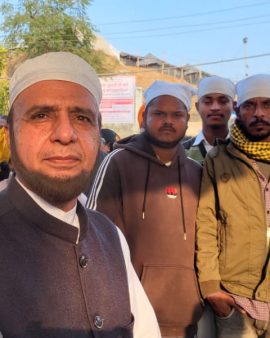
Qumruzzama Azmi (born 1946) widely respected as Maulana Azmi, is a distinguished Islamic scholar and one of the most influential voices in contemporary Islamic thought and leadership. Born in Azamgarh, Uttar Pradesh, India, in 1946, he received his early Islamic education at the esteemed Al Jamiatul Ashrafia, Mubarakpur, where he excelled in Islamic jurisprudence, theology, and Arabic literature.
Maulana Azmi’s profound understanding of Islamic teachings, coupled with his eloquence and insight, quickly earned him a reputation as a dynamic leader. His efforts to bridge gaps between communities and promote Islamic values in modern contexts have made him a sought-after scholar worldwide.
Azmi has dedicated much of his life to serving the Muslim community globally. He is closely associated with the World Islamic Mission (WIM), a prominent organization committed to promoting unity among Muslims and addressing the challenges they face. As the General Secretary of WIM, he has played a pivotal role in establishing mosques, Islamic centers, and educational institutions in various countries, particularly in Europe and North America.
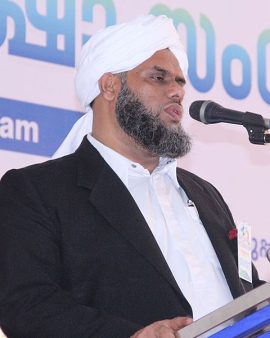
An ardent advocate of peaceful coexistence, Maulana Azmi emphasizes the importance of interfaith dialogue and communal harmony. His lectures and writings have inspired countless Muslims to uphold the principles of justice, compassion, and ethical conduct.
Maulana Azmi is also deeply committed to the socio-economic upliftment of marginalized communities. He has initiated programs for education, healthcare, and poverty alleviation, ensuring the integration of Islamic values with humanitarian service.
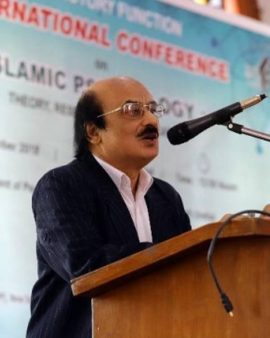
Despite his international commitments, he remains rooted in his scholarship, dedicating time to writing, teaching, and guiding students of Islamic sciences. His intellectual contributions and spiritual leadership continue to influence generations of Muslims worldwide.
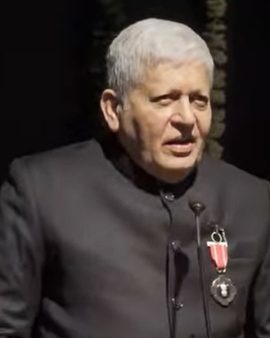
Qumruzzama Azmi’s legacy is one of knowledge, service, and unwavering dedication to the cause of Islam and humanity.
Reach Us: Online Contact Form
Email: mail@the100indianmuslims.com