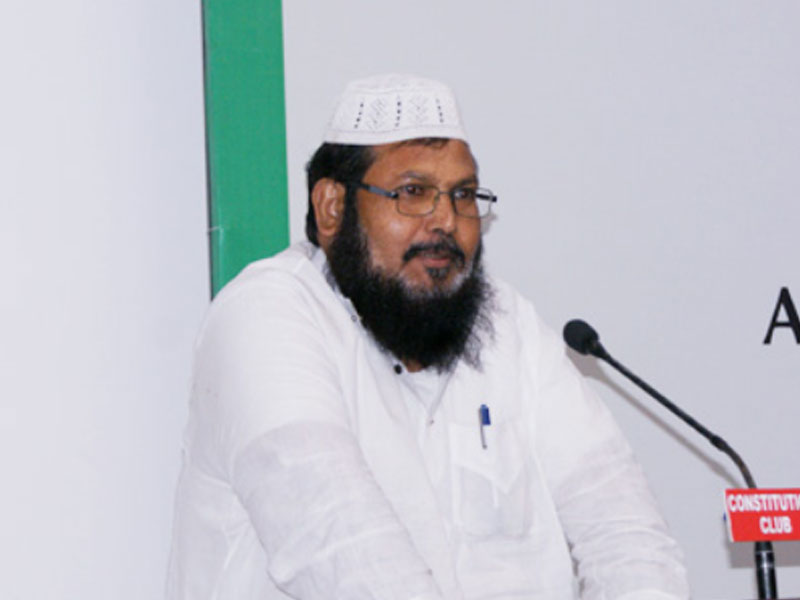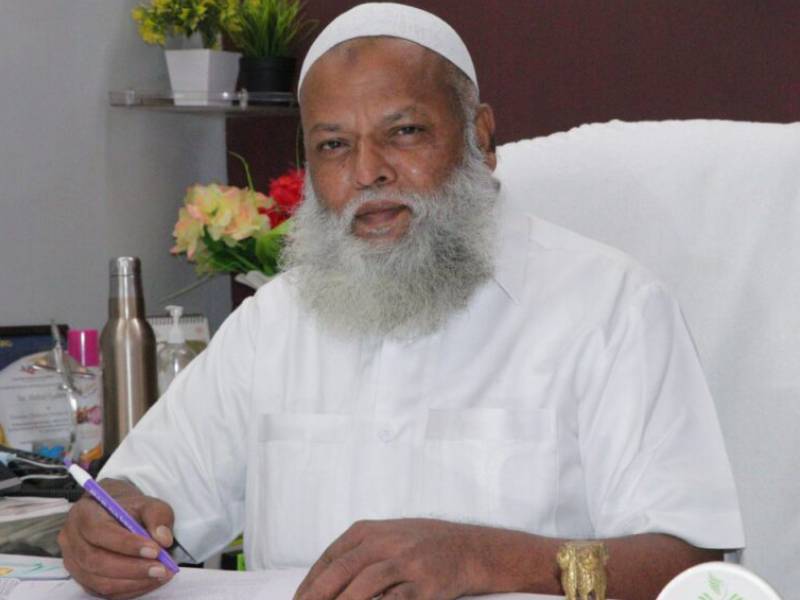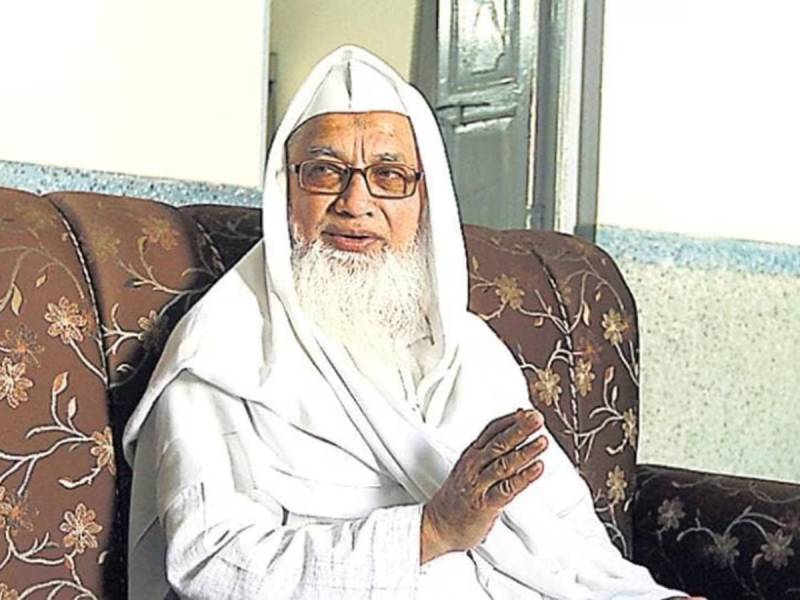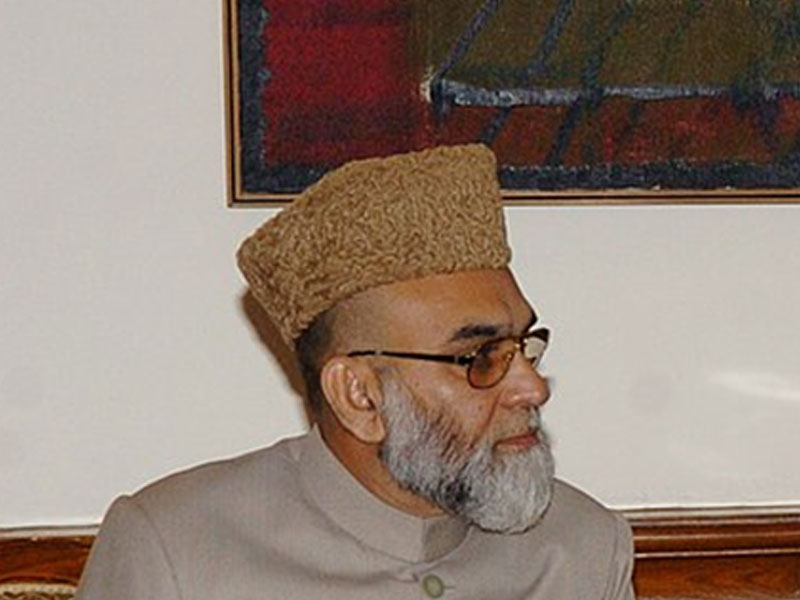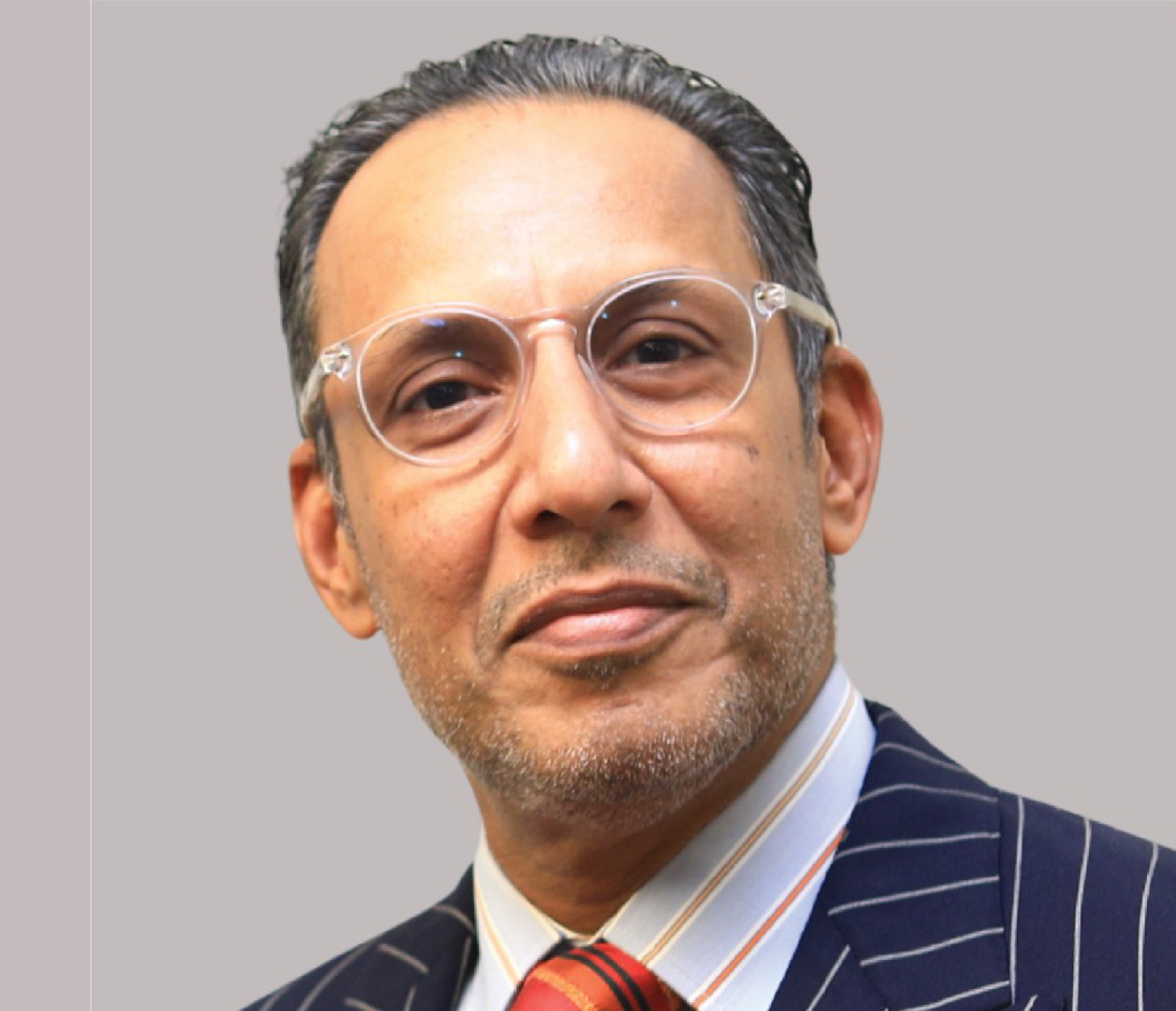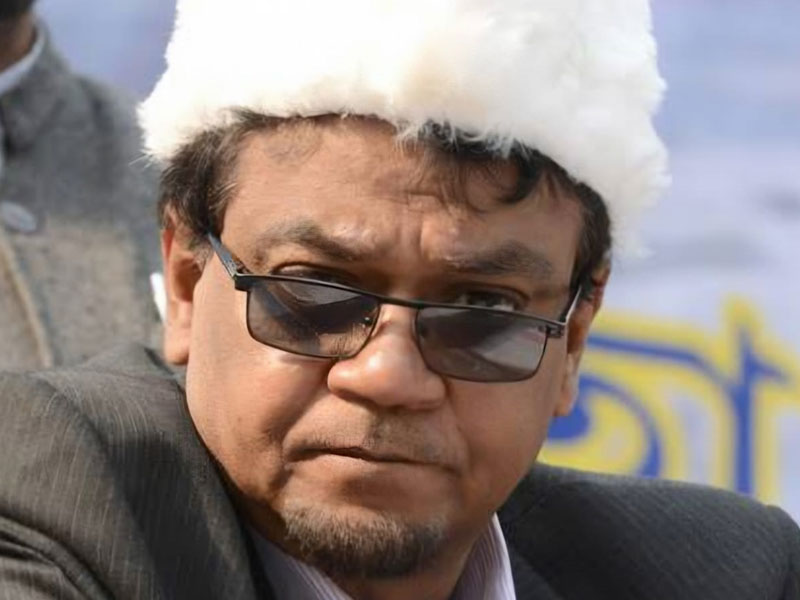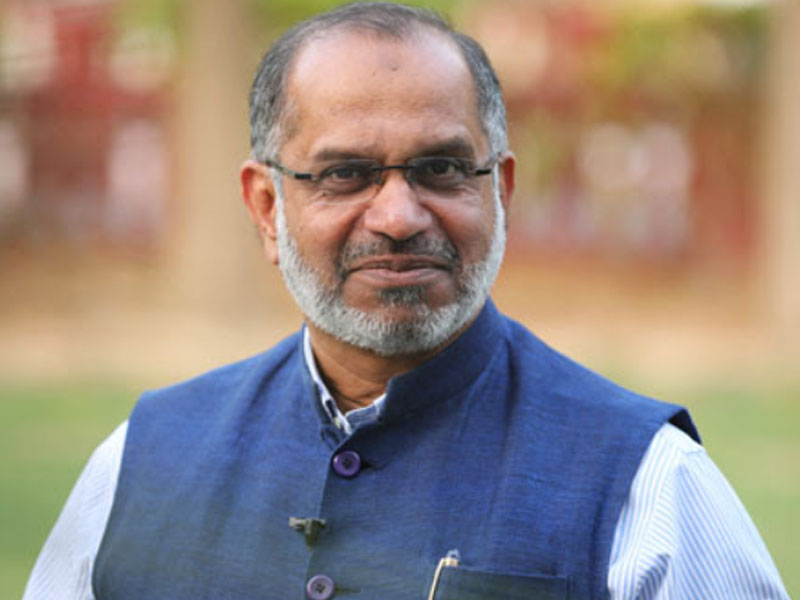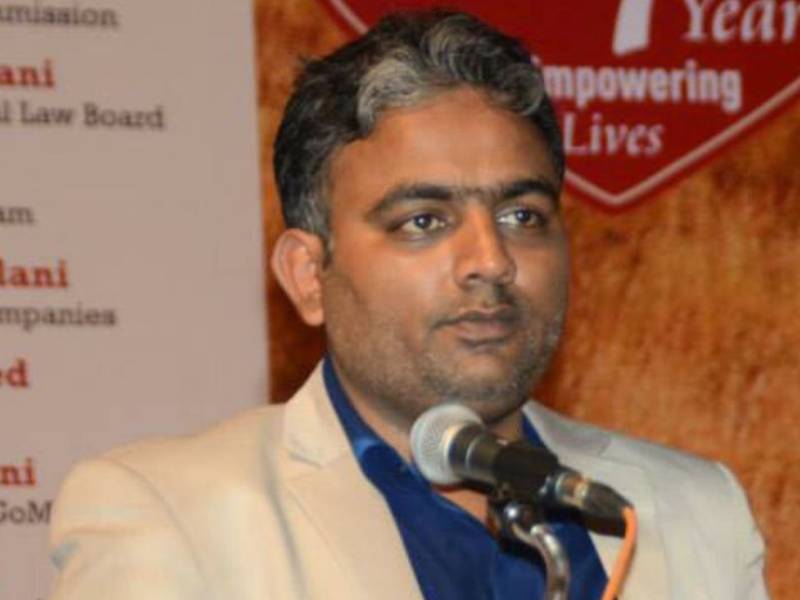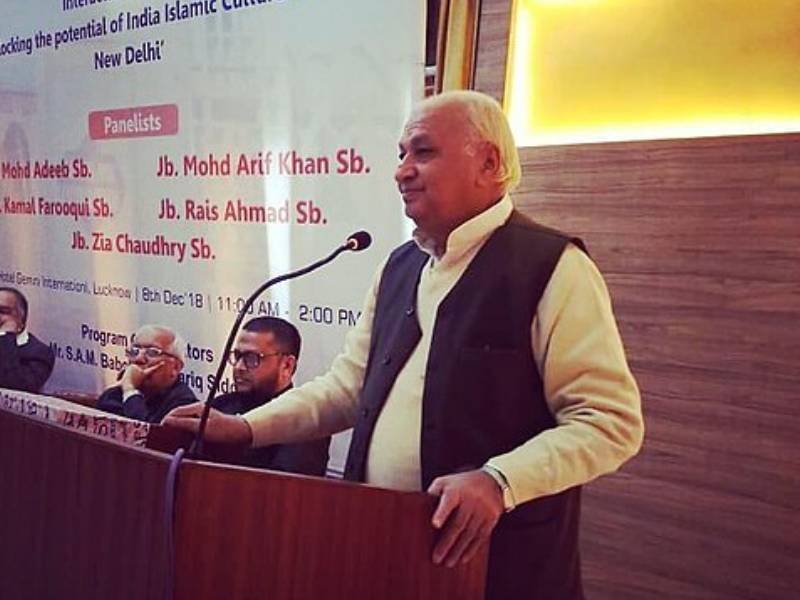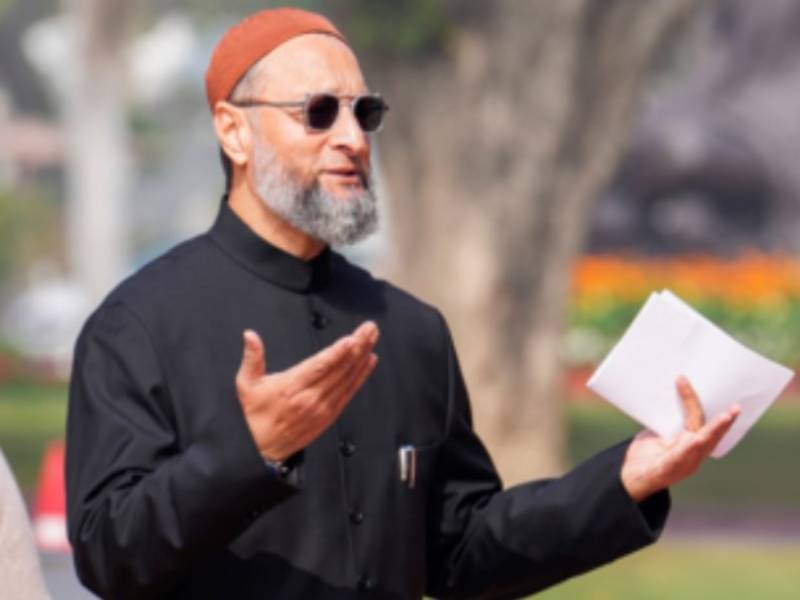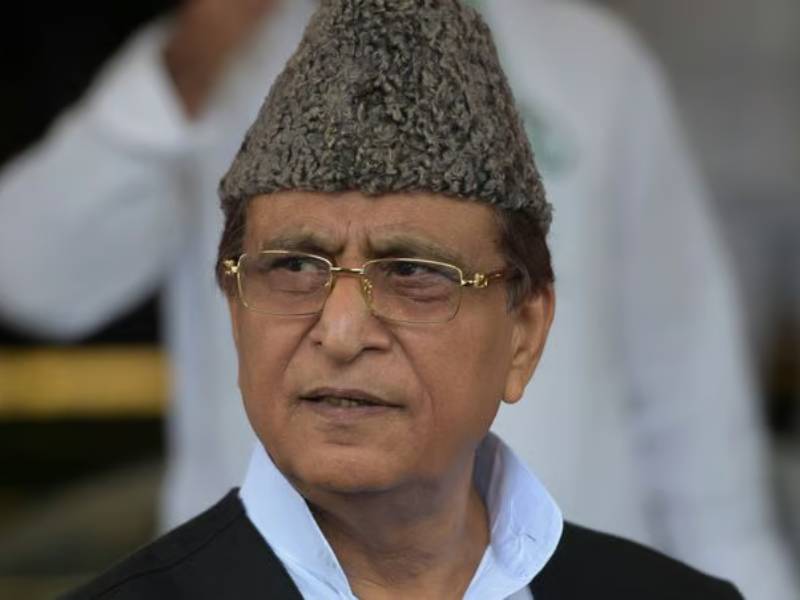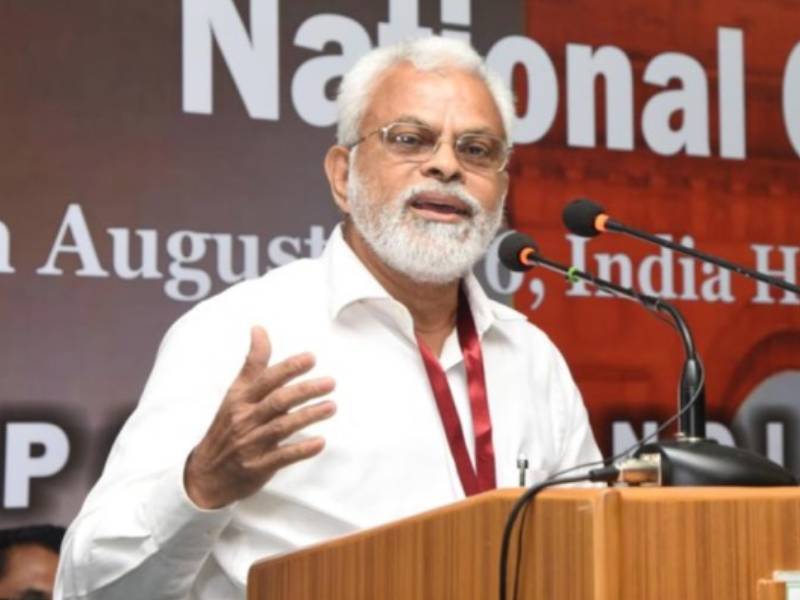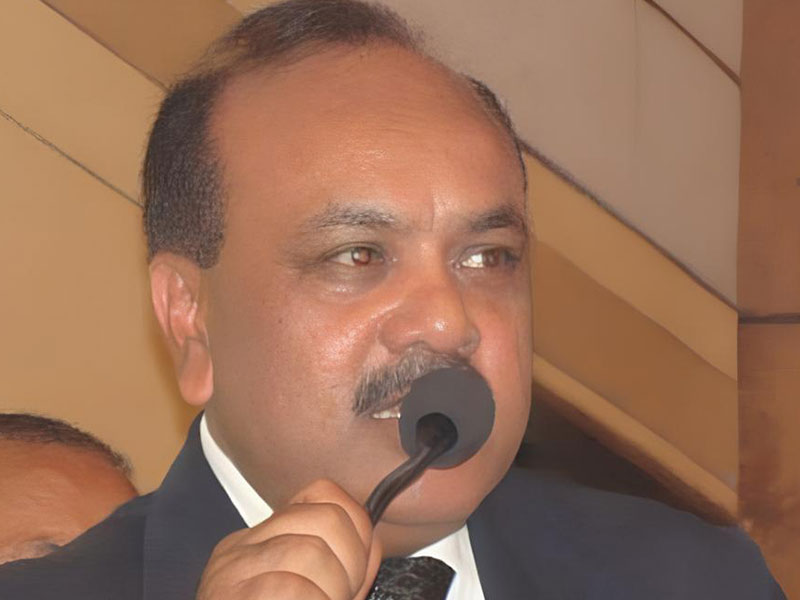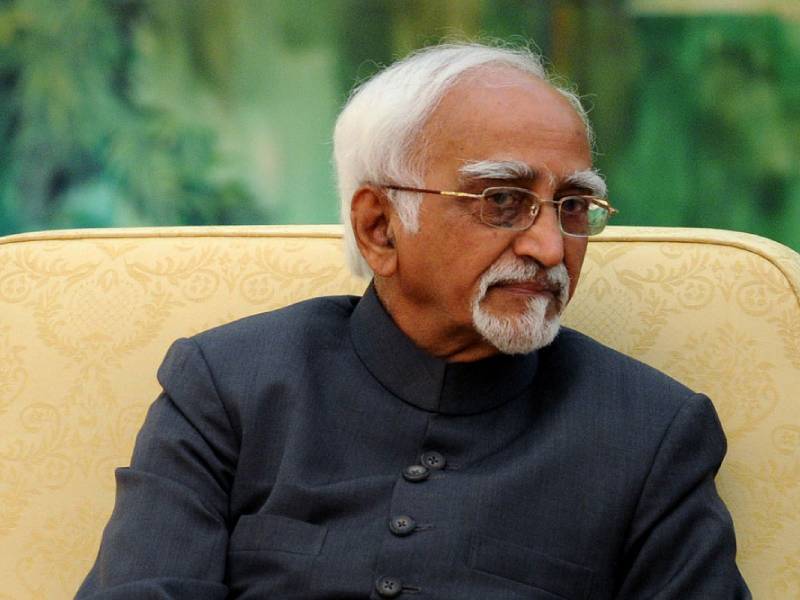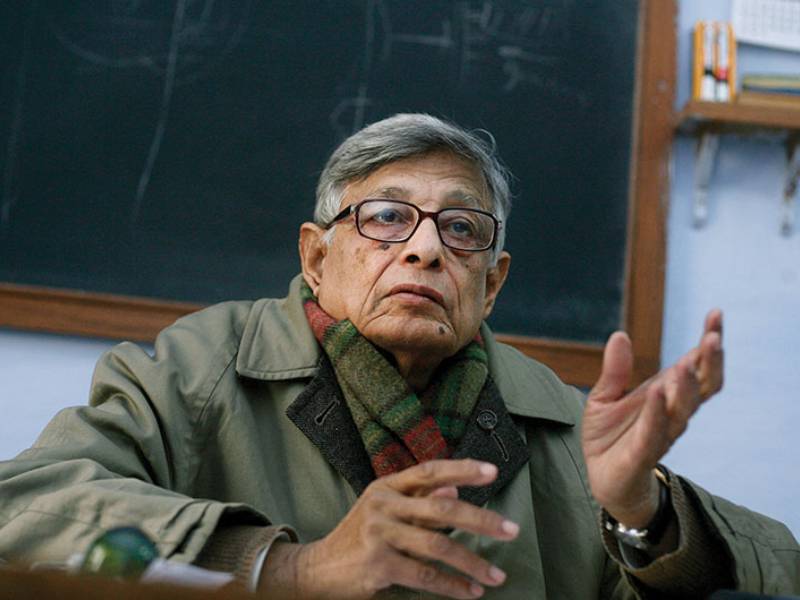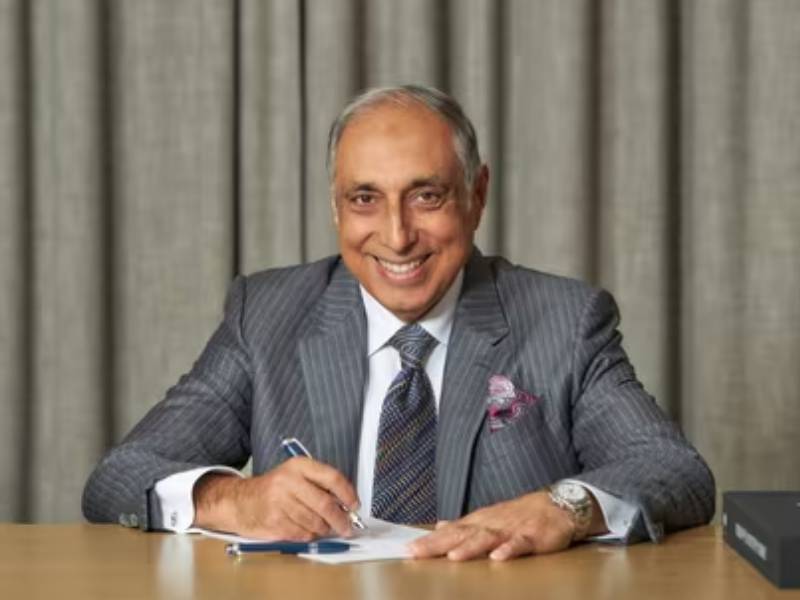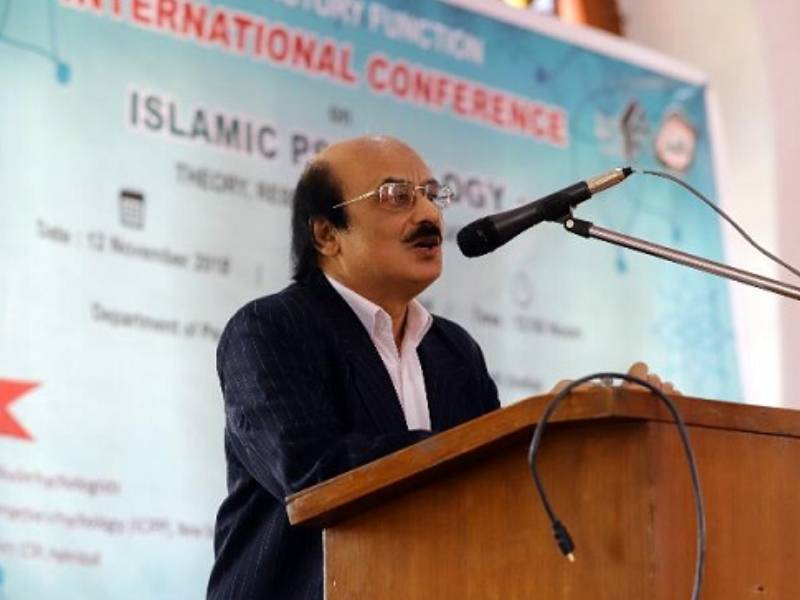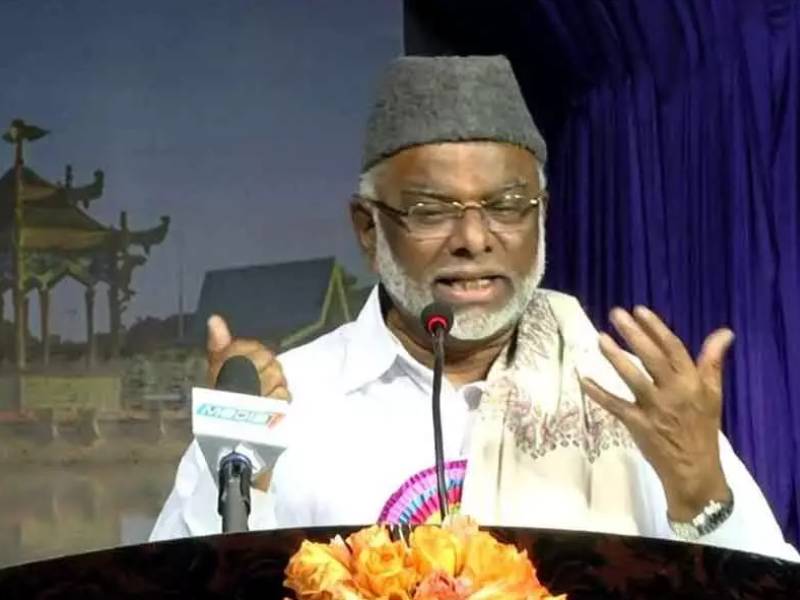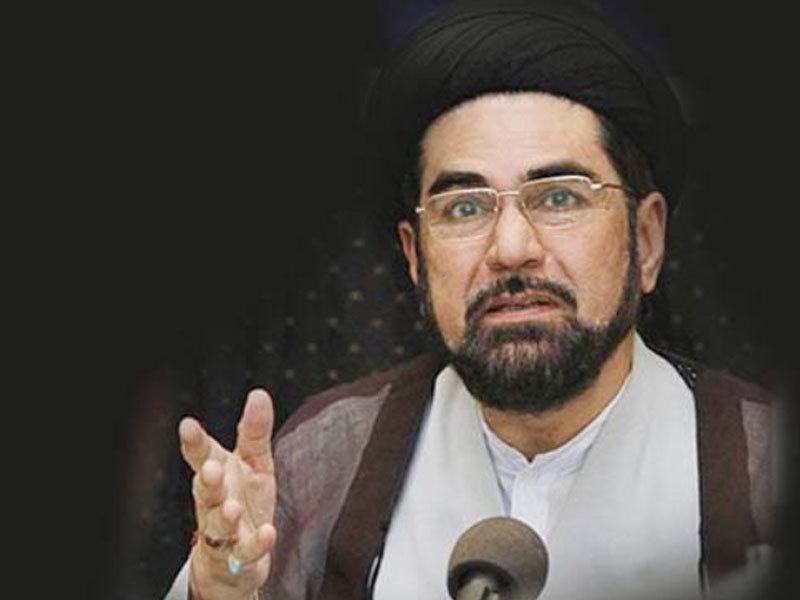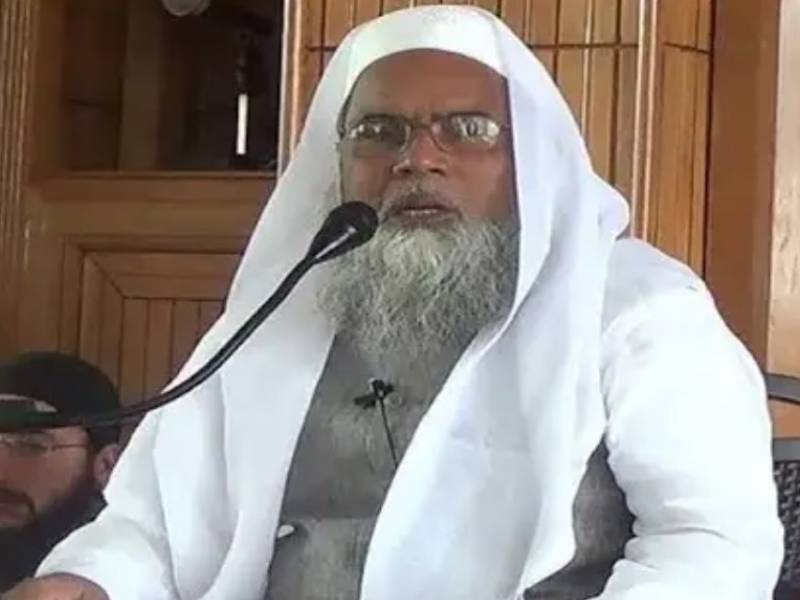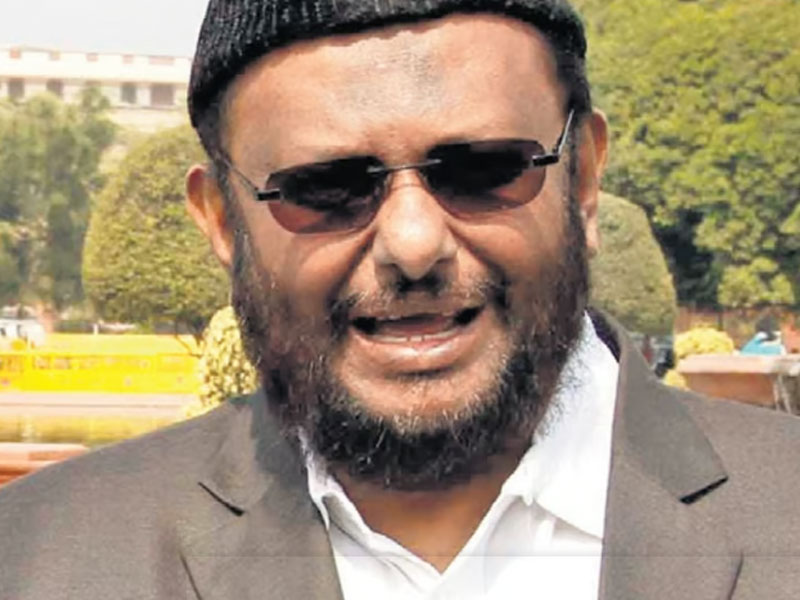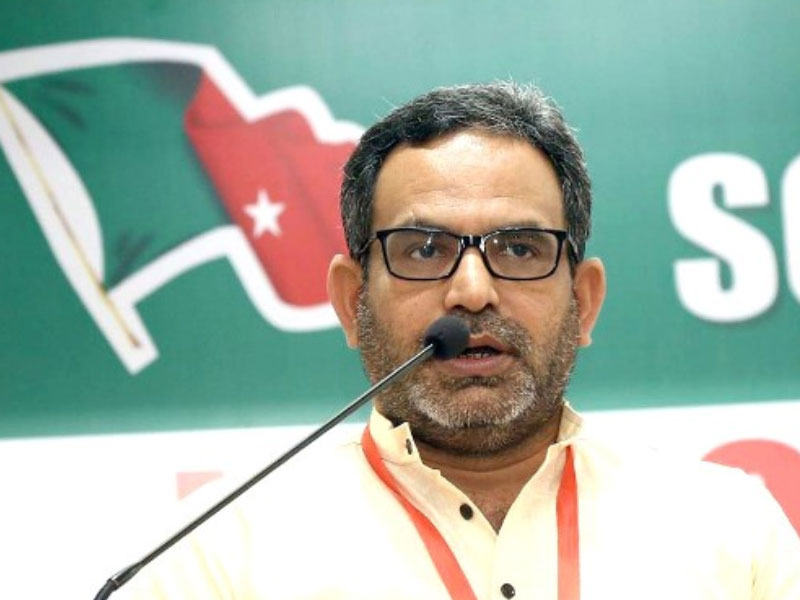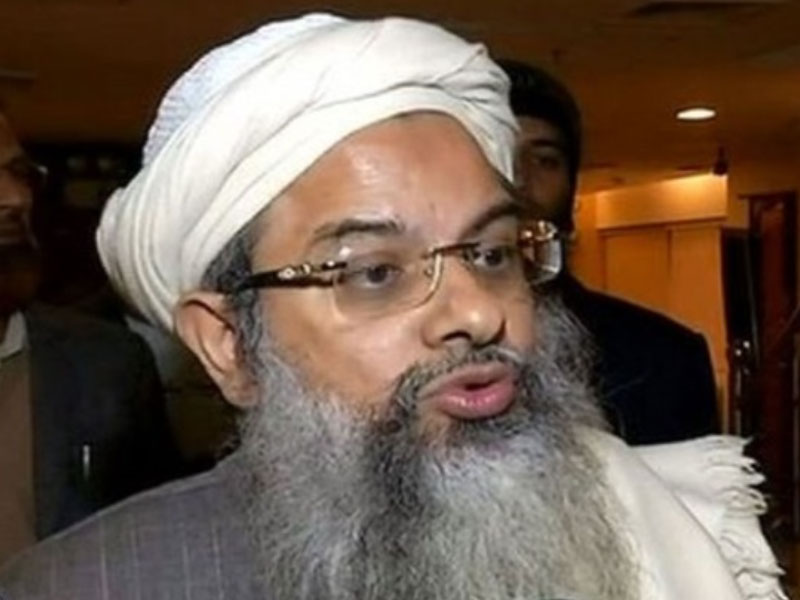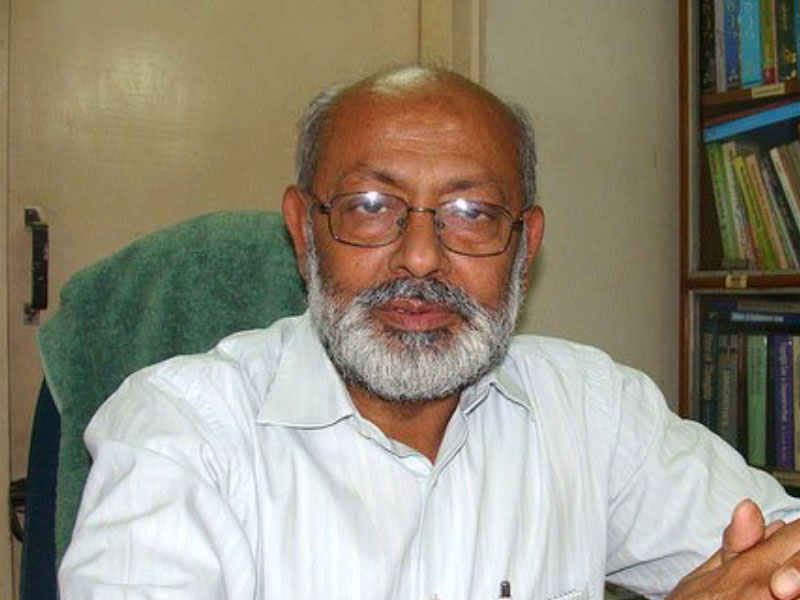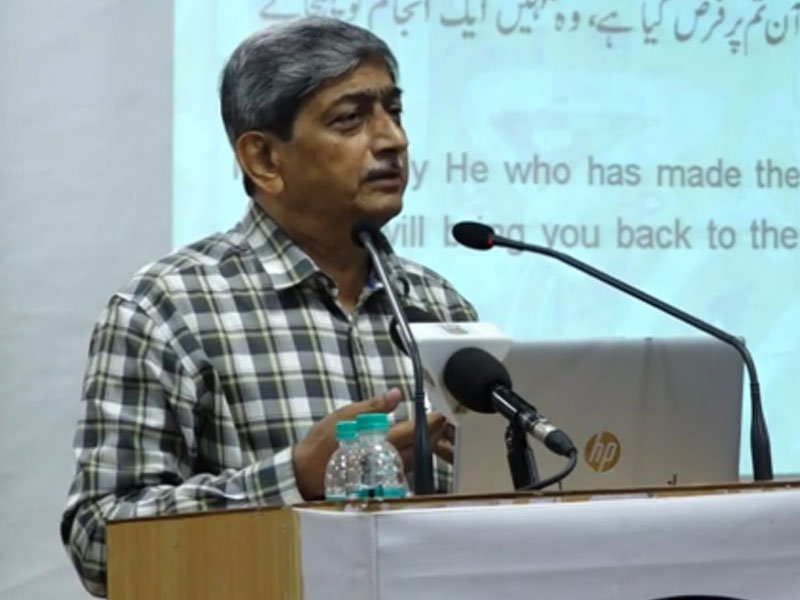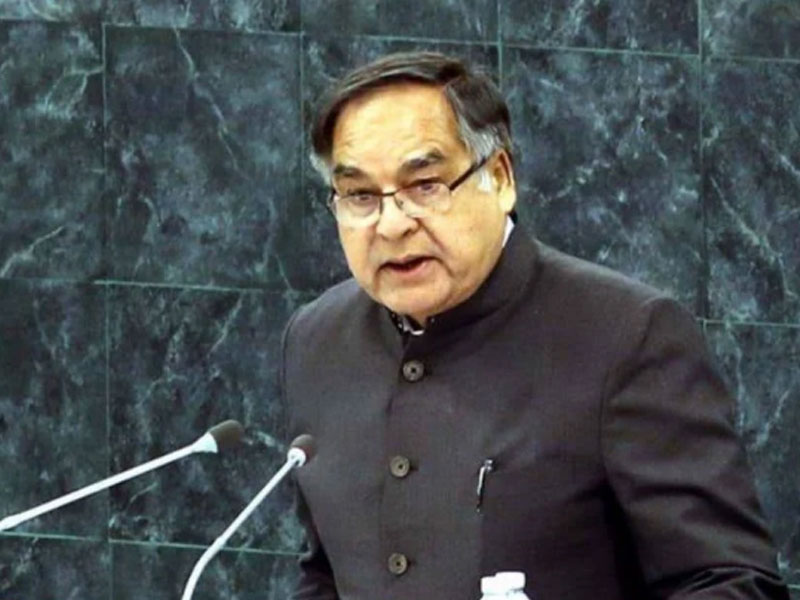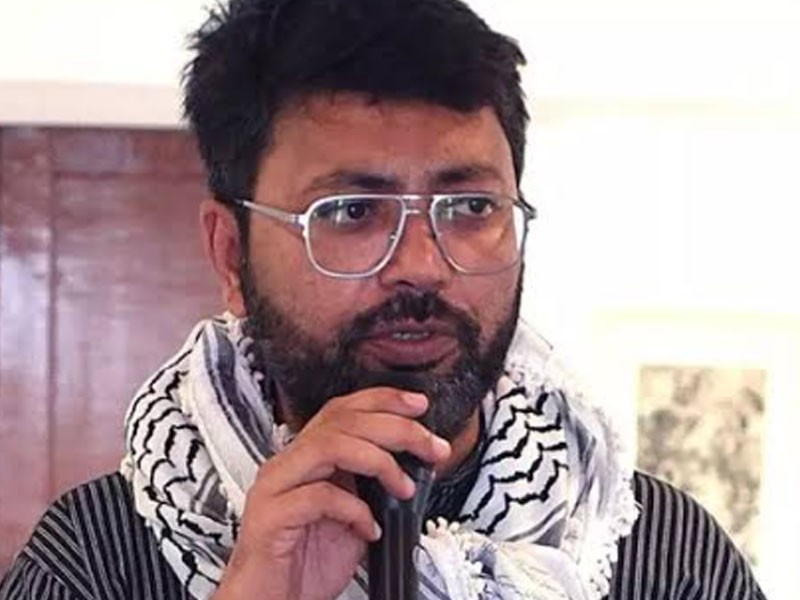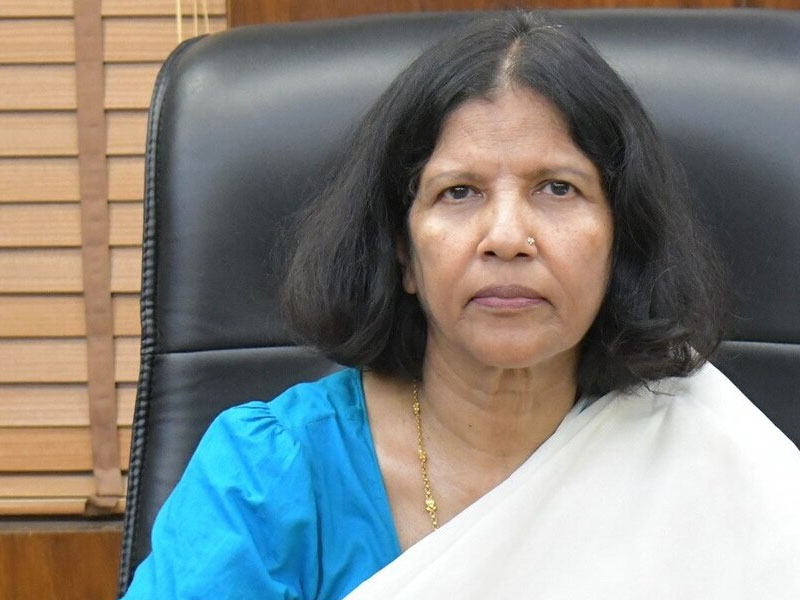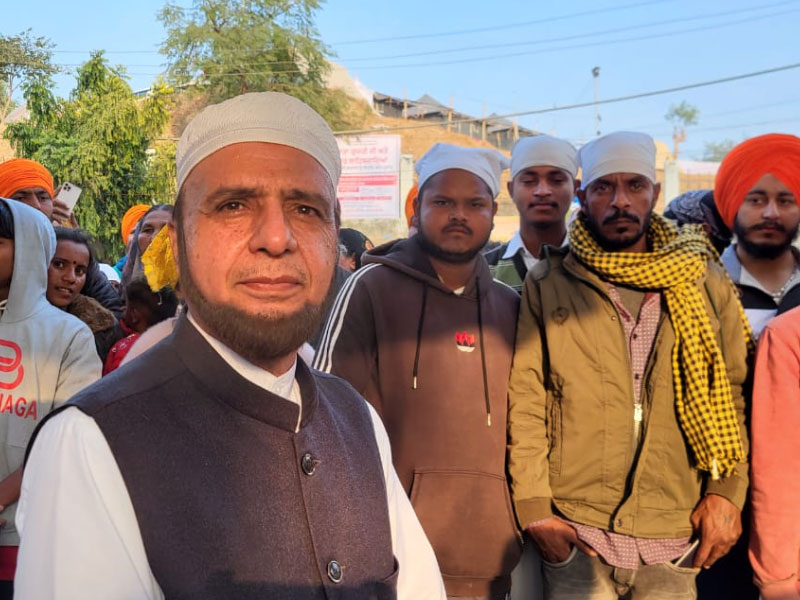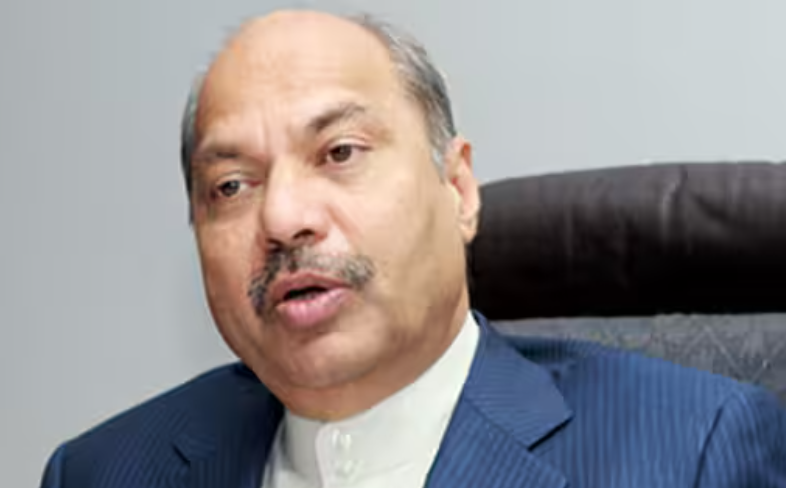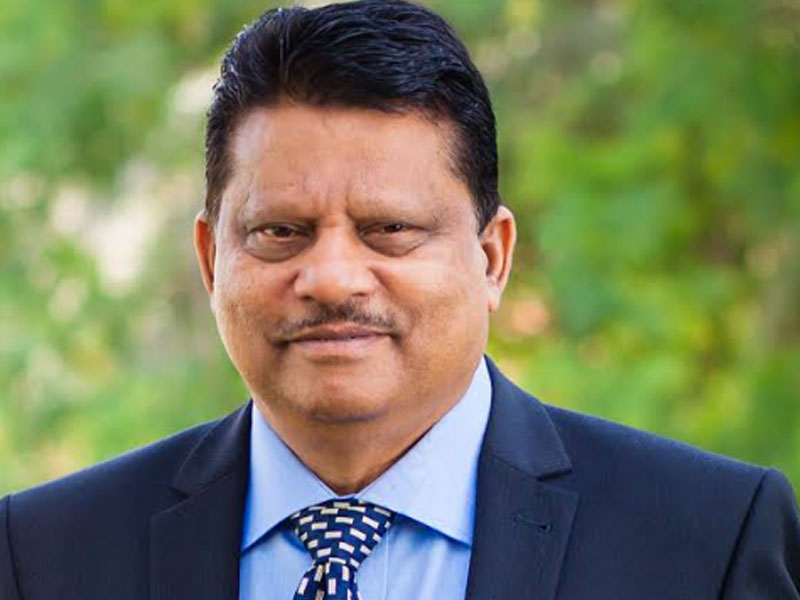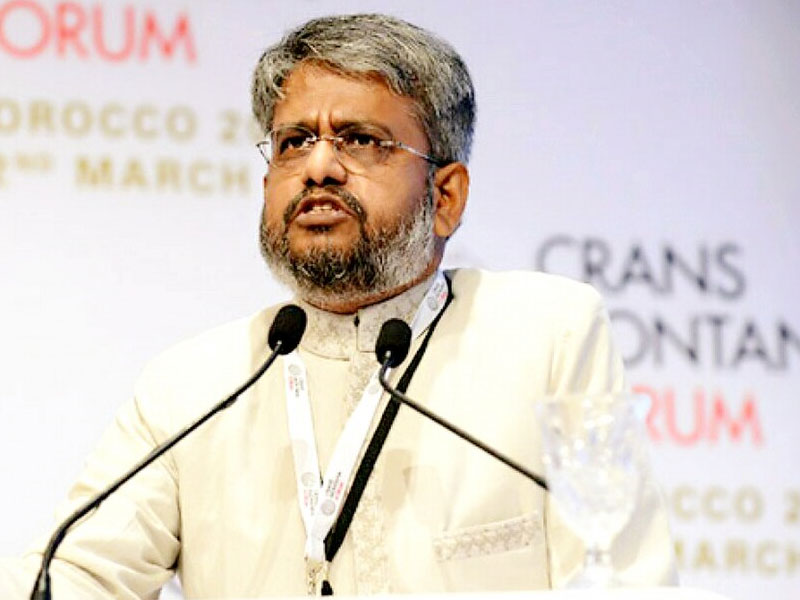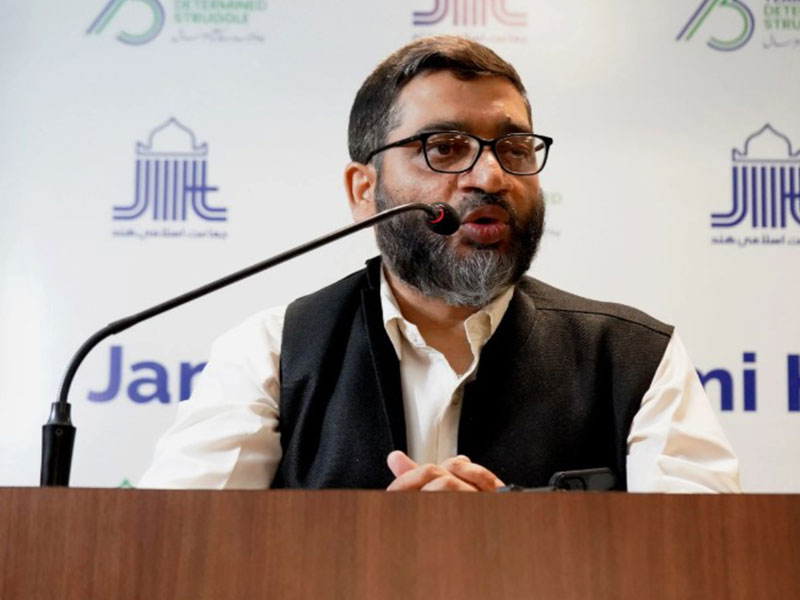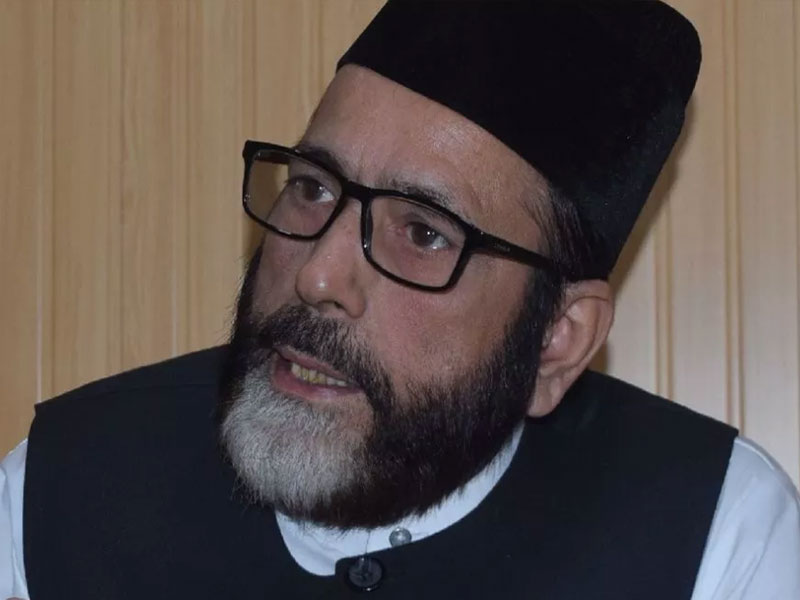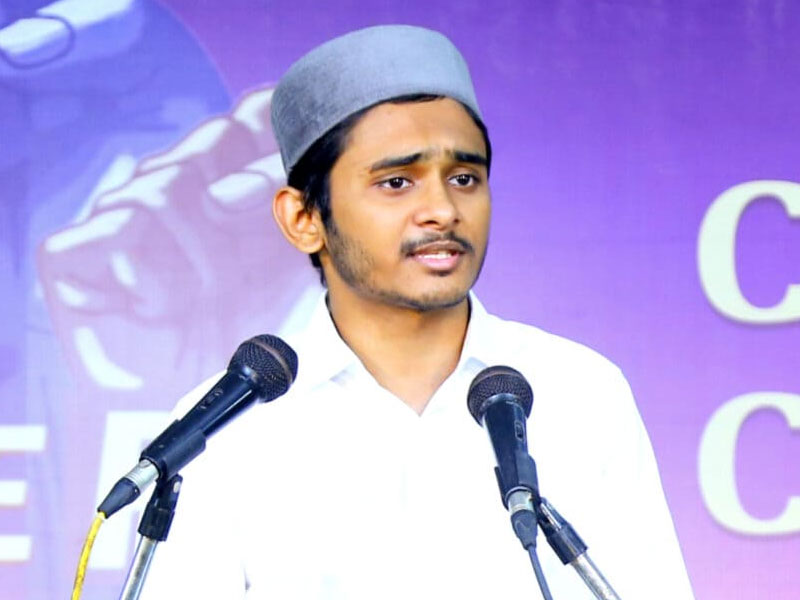
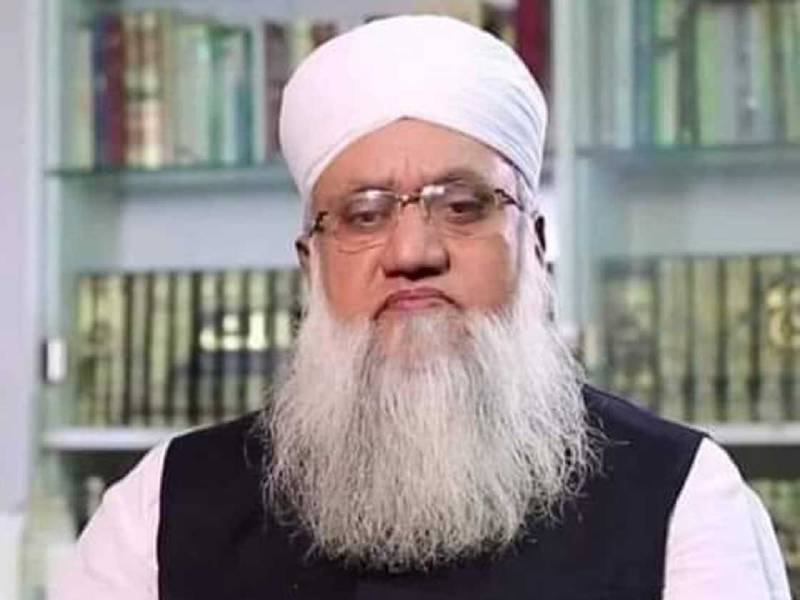
Maulana Khalil-ur-Rahman Sajjad Nomani (born 1955) is a prominent Indian Islamic scholar, author, orator, and public intellectual known for his unwavering commitment to Islamic scholarship, education, interfaith harmony, and social justice. Born in Lucknow, Uttar Pradesh, into a distinguished scholarly family, he is the son of the late Maulana Manzoor Nomani, a towering figure in 20th-century Islamic thought. This deep-rooted legacy has profoundly shaped his life and mission.
Maulana Sajjad Nomani began his formal Islamic education at Nadwatul Ulama, one of India’s most prestigious Islamic seminaries. There, he was nurtured under the guidance of several renowned scholars. He continued his advanced studies at Darul Uloom Deoband, further solidifying his expertise in Islamic jurisprudence (fiqh), Quranic studies, and Hadith. He later traveled to the Islamic University of Madinah in Saudi Arabia, where he broadened his academic horizons and engaged with the global Islamic scholarly tradition.
His scholarship is notable for blending traditional Islamic sciences with a nuanced understanding of contemporary challenges, which enables him to address the modern Muslim experience with relevance and intellectual rigor.
Maulana Sajjad Nomani is widely respected for his efforts in promoting Islamic unity, education, and civil rights. He serves as an official spokesperson for the All India Muslim Personal Law Board (AIMPLB), playing a key role in defending and articulating the constitutional and religious rights of Muslims in India. His advocacy often centers on preserving the integrity of Muslim personal laws, religious freedom, and the broader Islamic identity in a rapidly changing socio-political landscape.
He is the author of several acclaimed books and numerous scholarly articles, covering a wide range of subjects such as jurisprudence, spirituality, Islamic history, interfaith relations, and socio-political reform. His writings are recognized for their intellectual clarity, depth, and accessibility to both academic and general audiences.
Beyond his scholarly pursuits, Maulana Sajjad Nomani is a strong advocate of interfaith dialogue and comparative religious studies. He believes in building bridges of understanding among diverse religious communities and has consistently worked toward fostering peaceful coexistence.
He is especially known for championing Dalit-Muslim unity, addressing issues of marginalization and caste-based discrimination. His outreach efforts have brought together Muslim, Sikh, and Christian communities on platforms aimed at social justice and communal harmony. He is frequently invited to speak at interfaith forums, national conferences, and peace initiatives, where his voice resonates as one of reason, compassion, and unity.
Committed to nurturing future generations, Maulana Sajjad Nomani regularly delivers lectures and conducts workshops across India and abroad. He focuses on youth empowerment, urging young Muslims to remain grounded in Islamic values while being intellectually engaged with the world around them. His lectures often address modern challenges such as secularism, identity crises, Islamophobia, and globalization from a deeply rooted Islamic perspective.
Through his tireless efforts and visionary leadership, Maulana Sajjad Nomani has become a guiding force in contemporary Islamic thought. His work continues to inspire Muslims globally to embrace their faith with confidence, wisdom, and a sense of responsibility toward society at large.
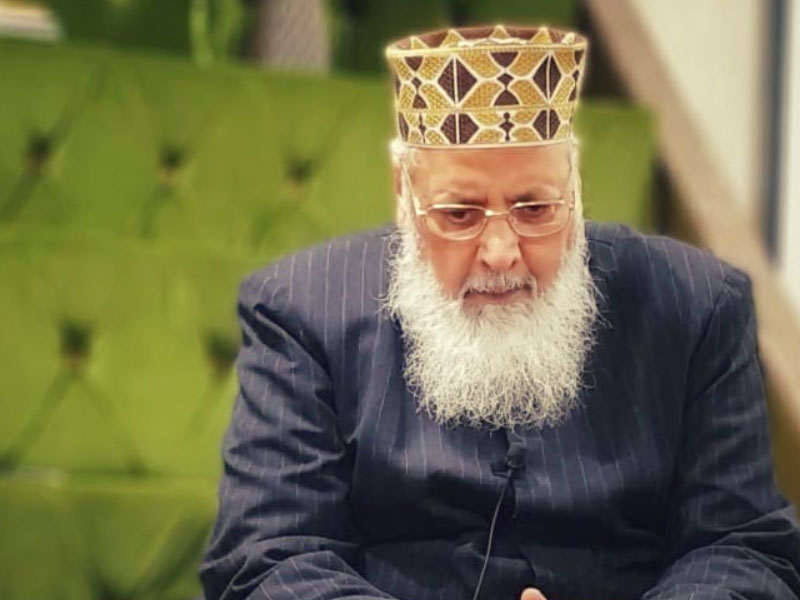
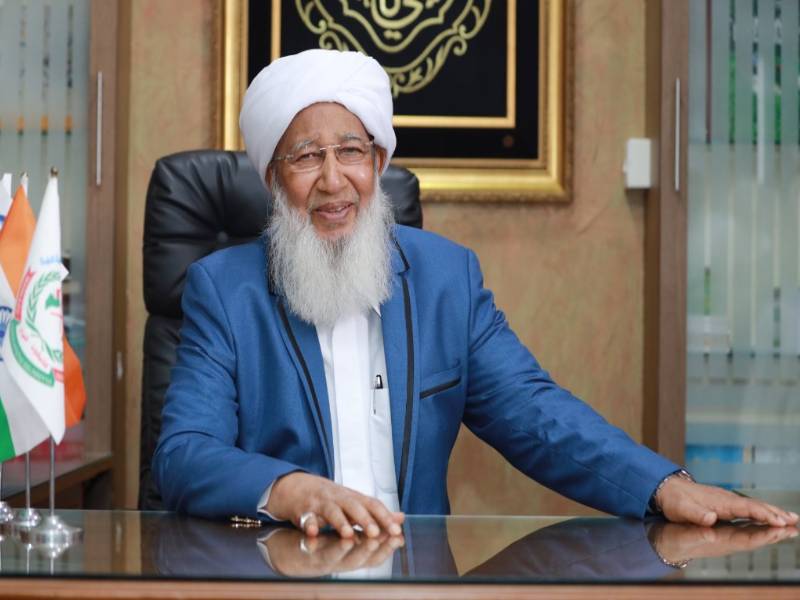
Qumruzzama Azmi: Islamic Scholar
Qumruzzama Azmi (born 1946) widely respected as Maulana Azmi, is a distinguished Islamic scholar and one of the most influential voices in contemporary Islamic thought and leadership. Born in Azamgarh, Uttar Pradesh, India, in 1946, he received his early Islamic education at the esteemed Al Jamiatul Ashrafia, Mubarakpur, where he excelled in Islamic jurisprudence, theology, and Arabic literature.
Maulana Azmi’s profound understanding of Islamic teachings, coupled with his eloquence and insight, quickly earned him a reputation as a dynamic leader. His efforts to bridge gaps between communities and promote Islamic values in modern contexts have made him a sought-after scholar worldwide.
Azmi has dedicated much of his life to serving the Muslim community globally. He is closely associated with the World Islamic Mission (WIM), a prominent organization committed to promoting unity among Muslims and addressing the challenges they face. As the General Secretary of WIM, he has played a pivotal role in establishing mosques, Islamic centers, and educational institutions in various countries, particularly in Europe and North America.
An ardent advocate of peaceful coexistence, Maulana Azmi emphasizes the importance of interfaith dialogue and communal harmony. His lectures and writings have inspired countless Muslims to uphold the principles of justice, compassion, and ethical conduct.
Maulana Azmi is also deeply committed to the socio-economic upliftment of marginalized communities. He has initiated programs for education, healthcare, and poverty alleviation, ensuring the integration of Islamic values with humanitarian service.
Despite his international commitments, he remains rooted in his scholarship, dedicating time to writing, teaching, and guiding students of Islamic sciences. His intellectual contributions and spiritual leadership continue to influence generations of Muslims worldwide.
Qumruzzama Azmi’s legacy is one of knowledge, service, and unwavering dedication to the cause of Islam and humanity.