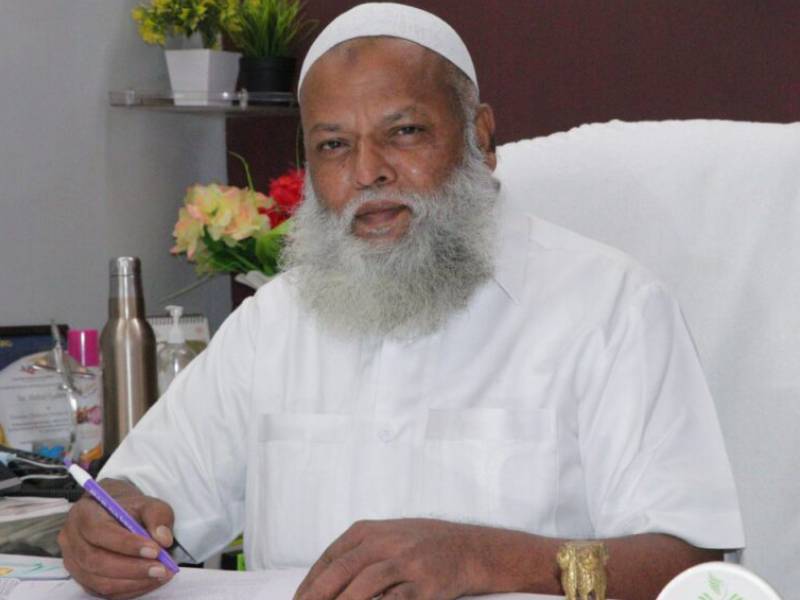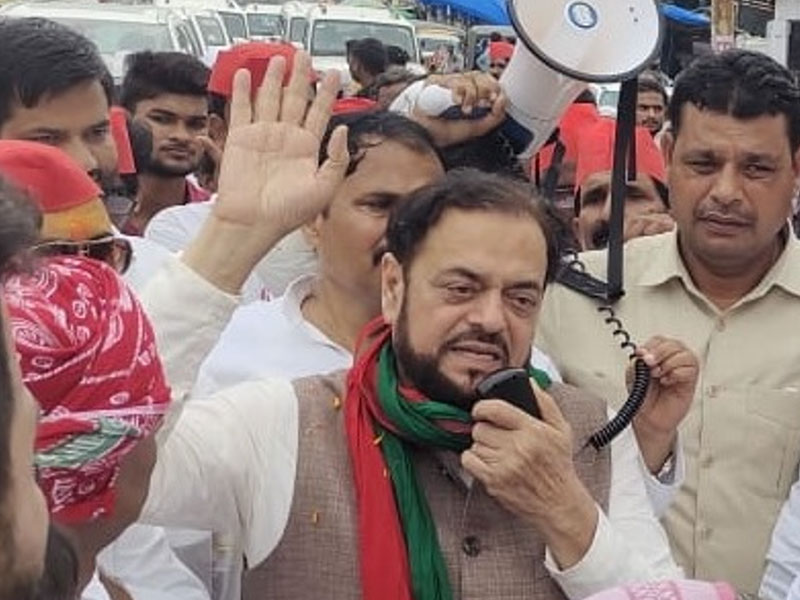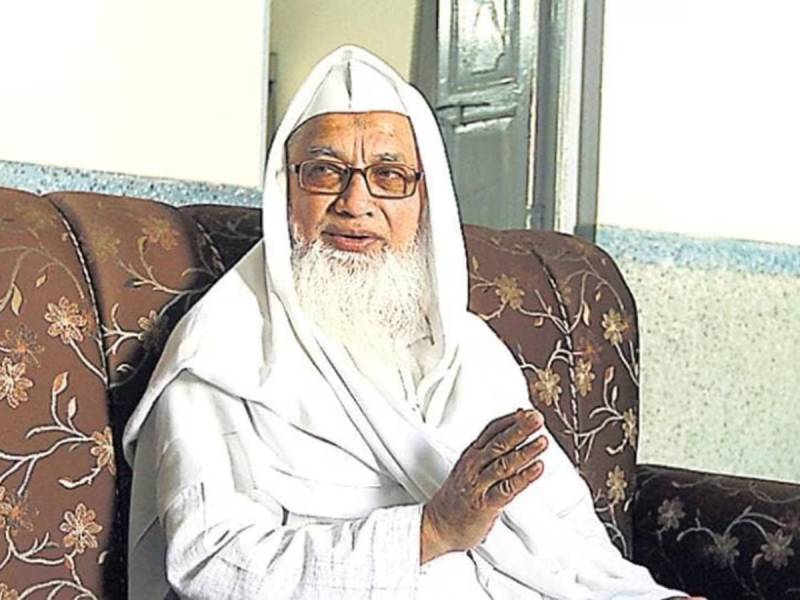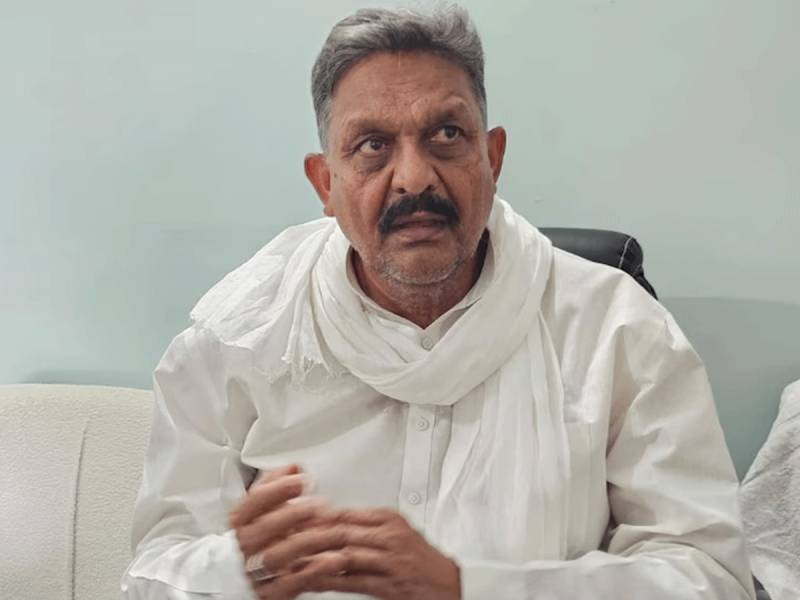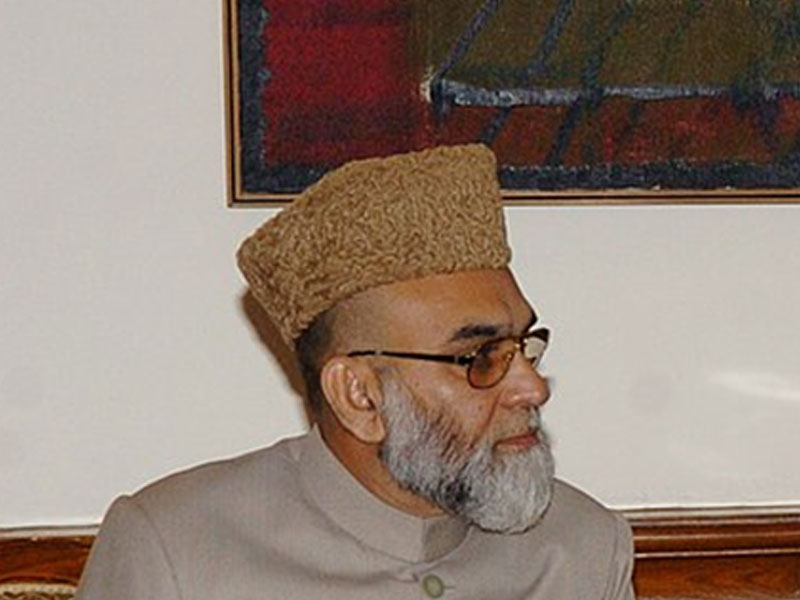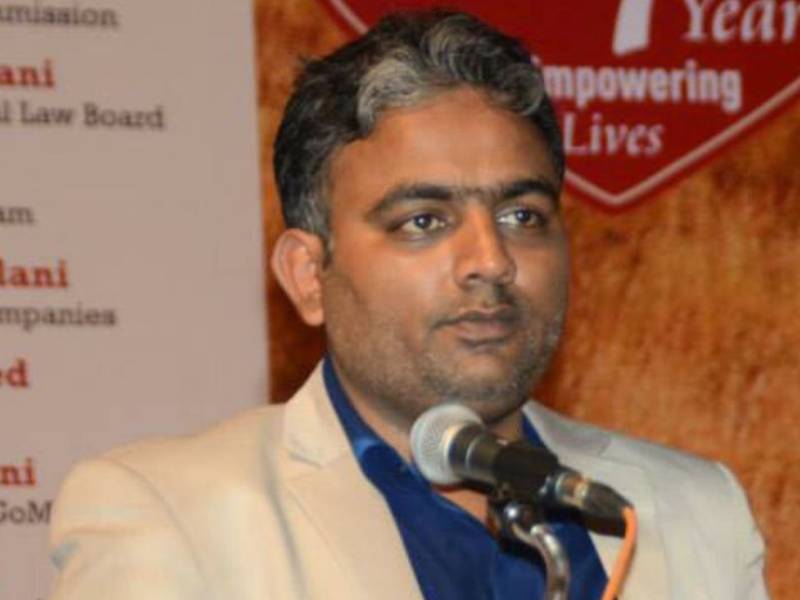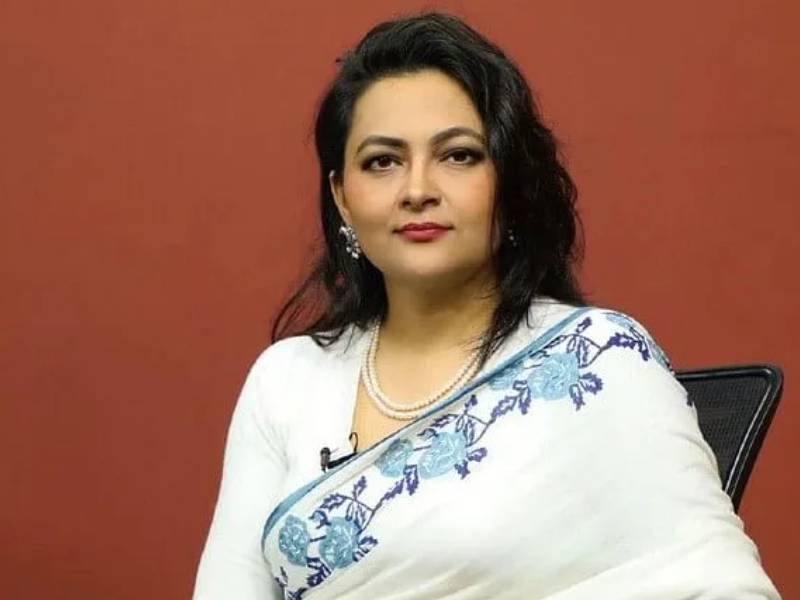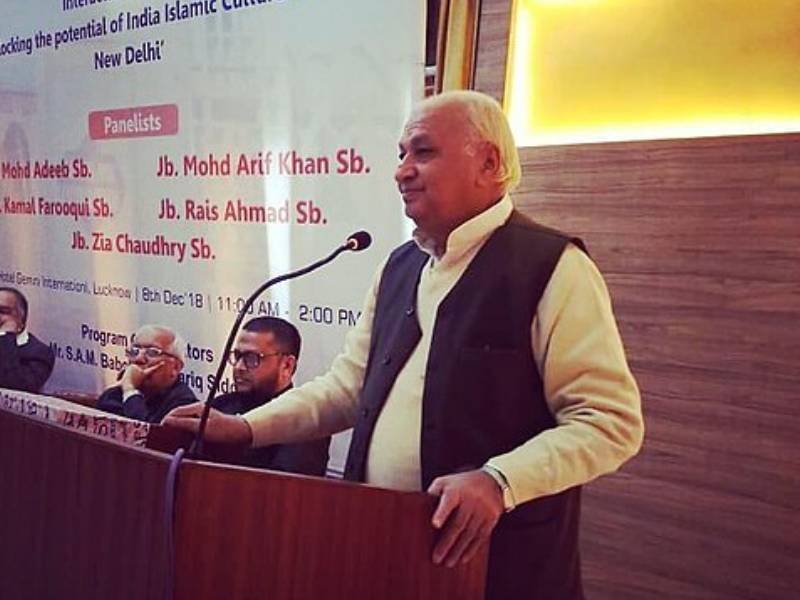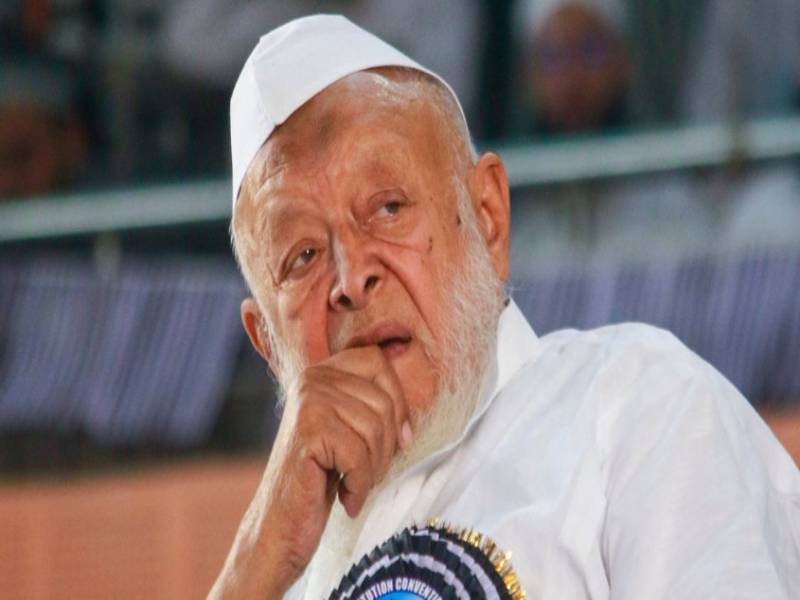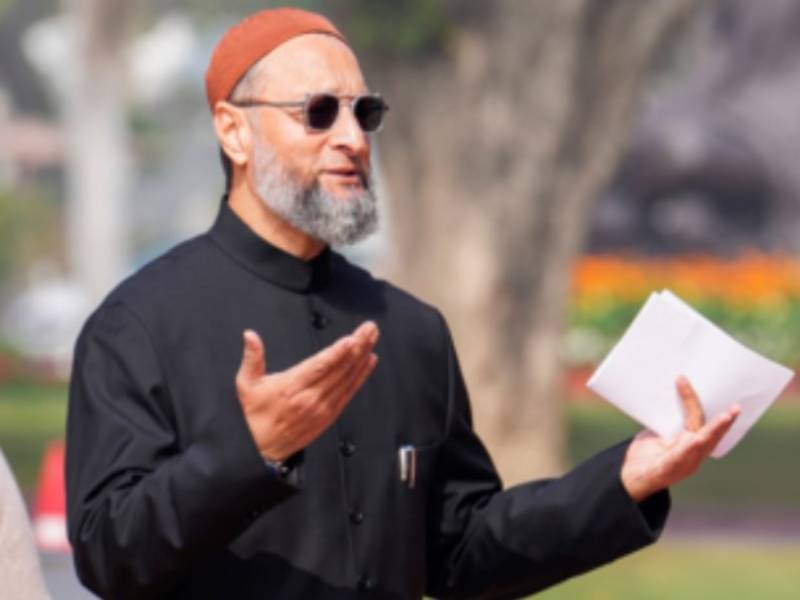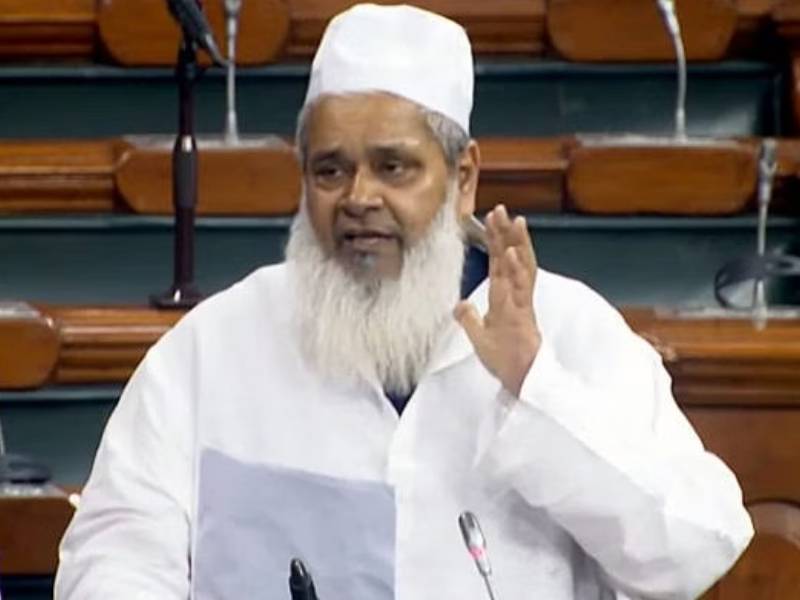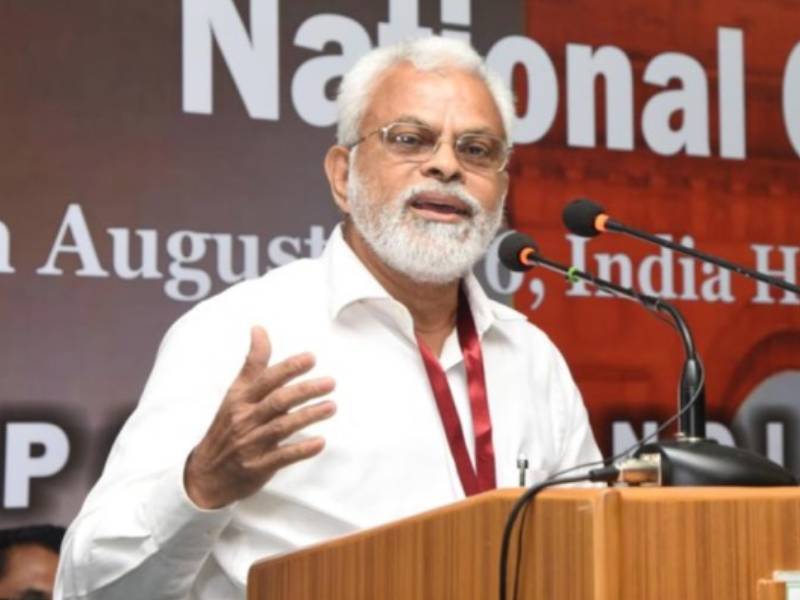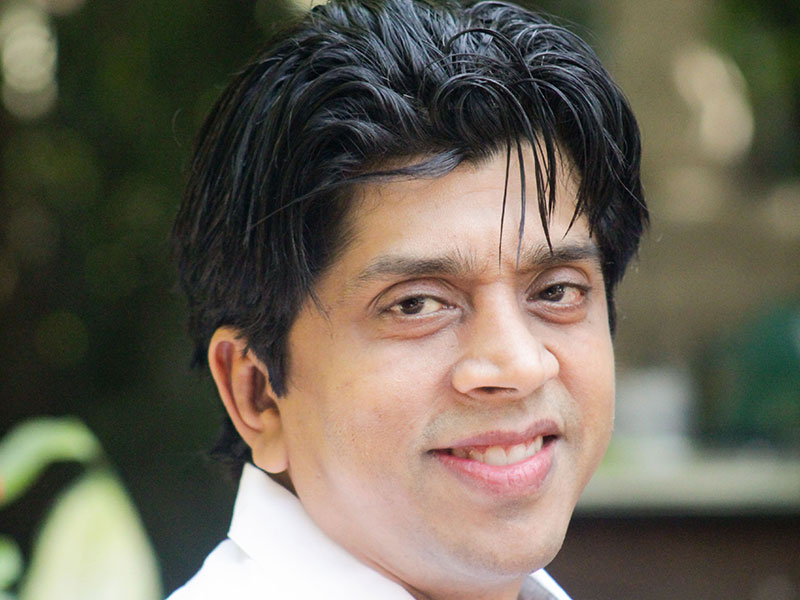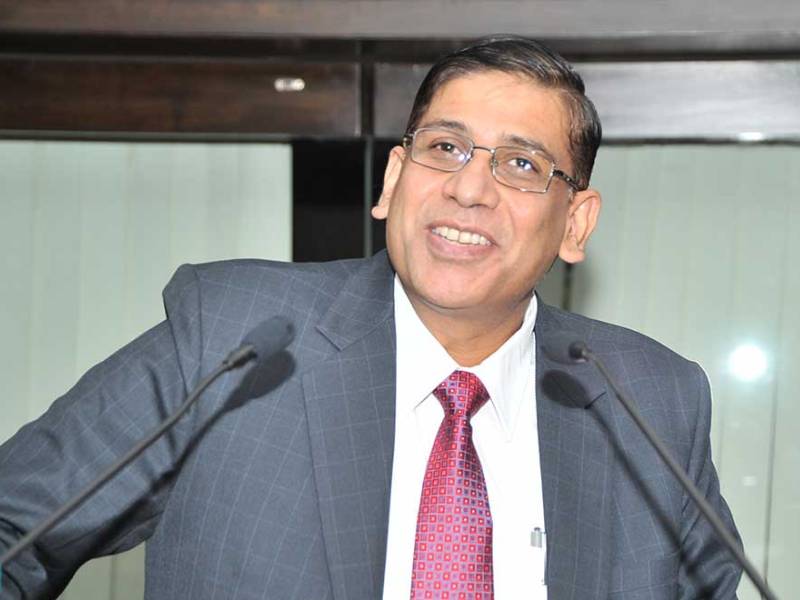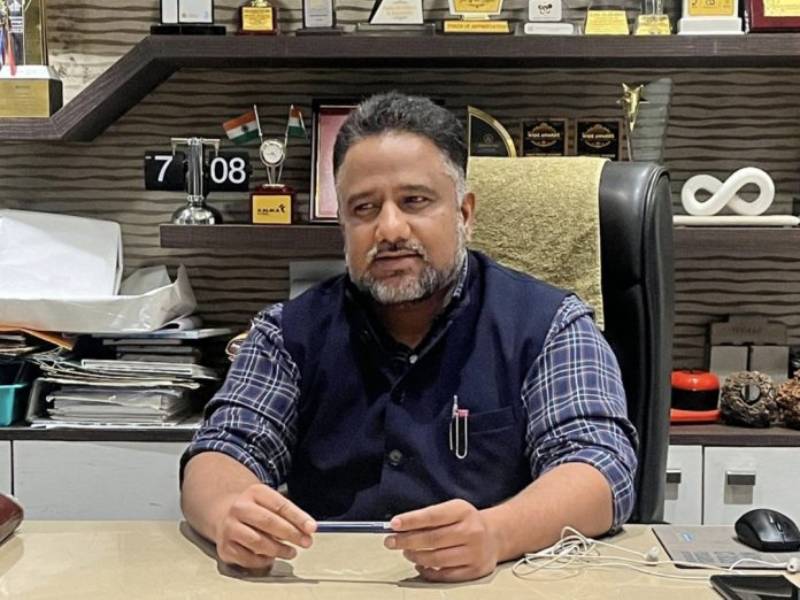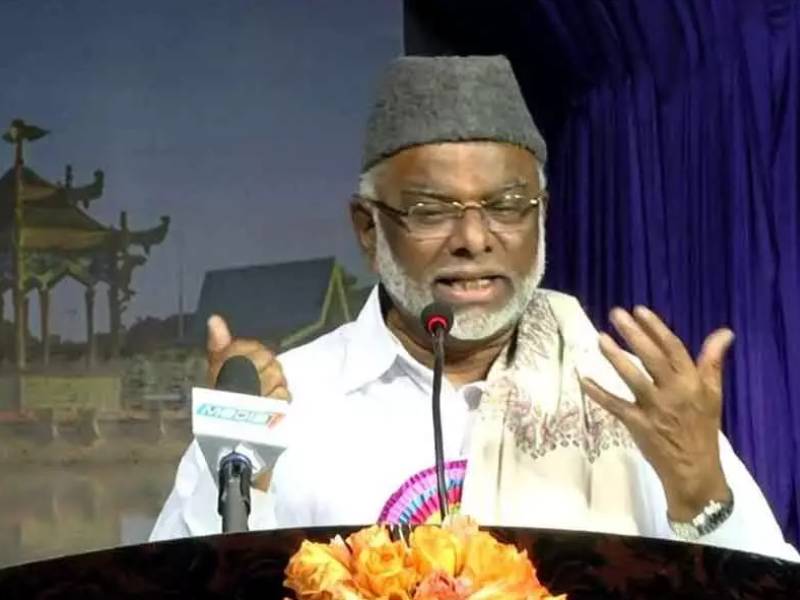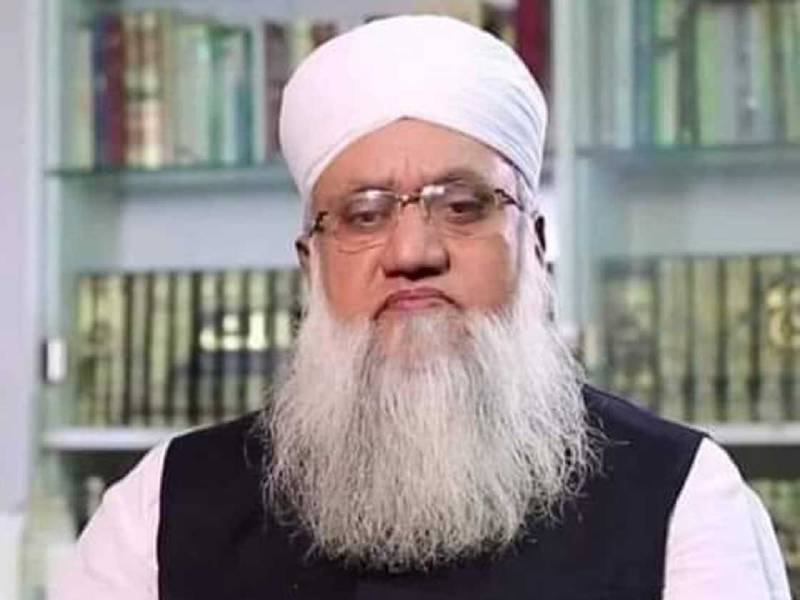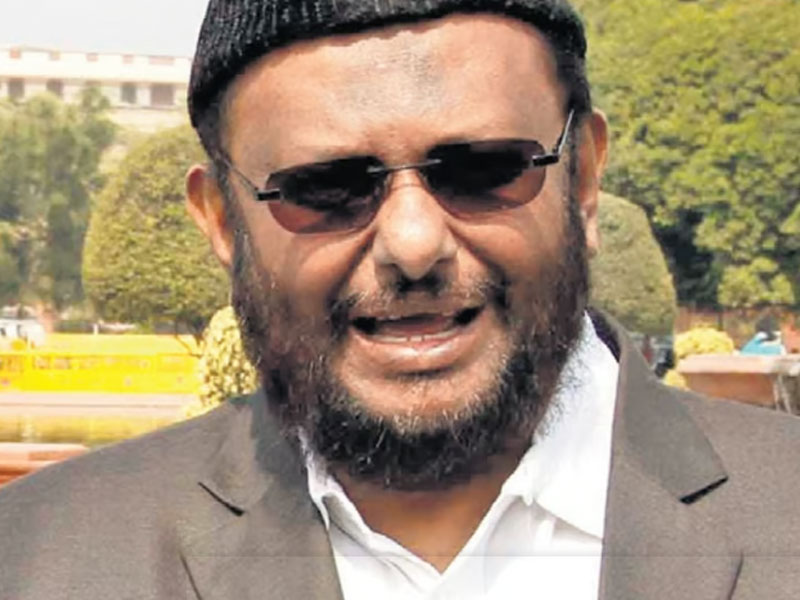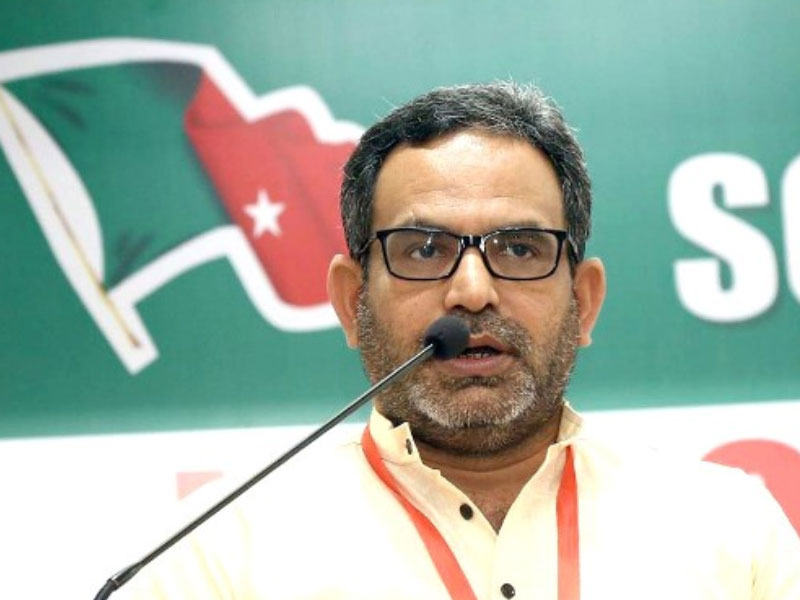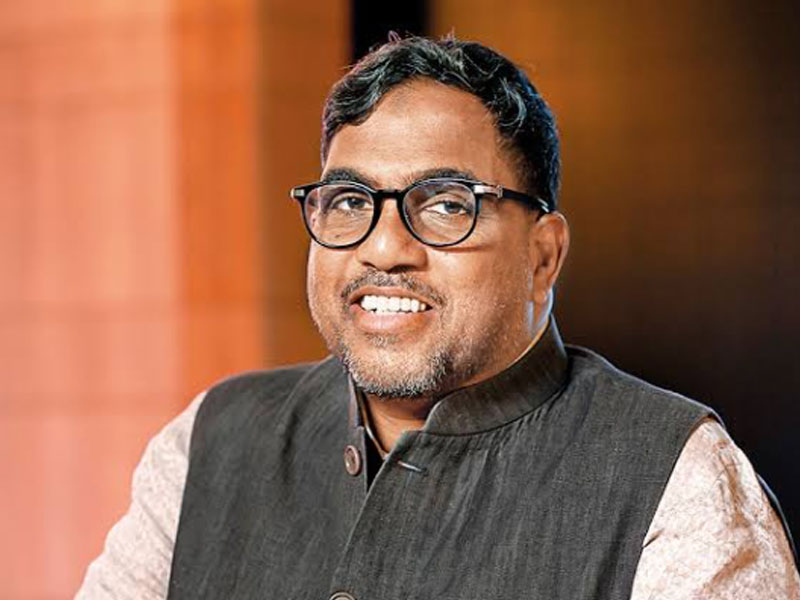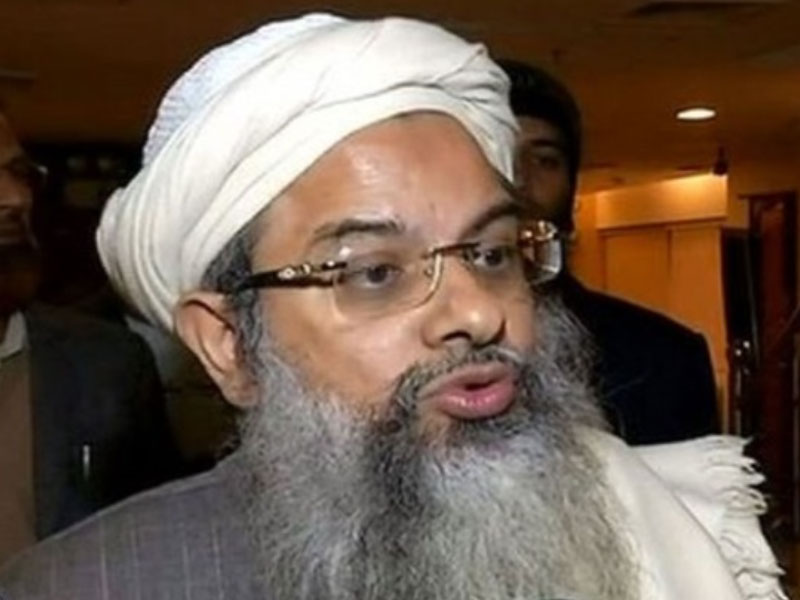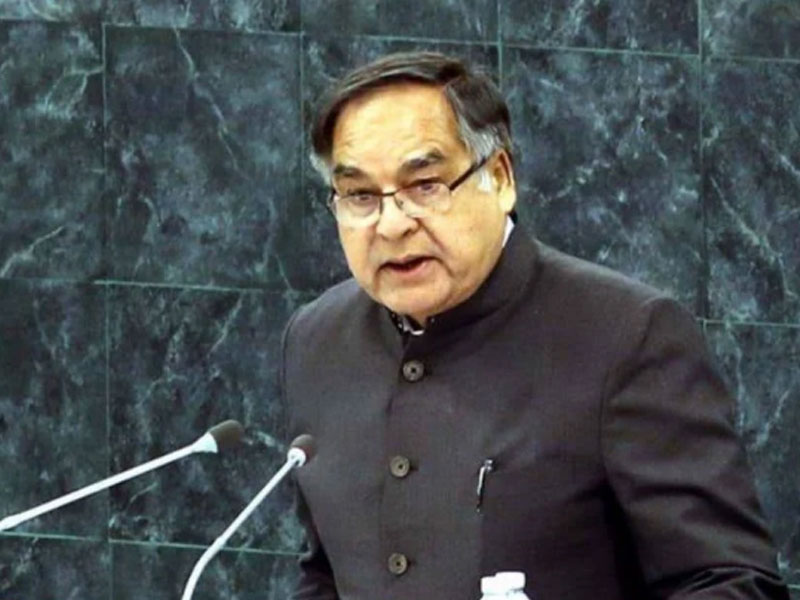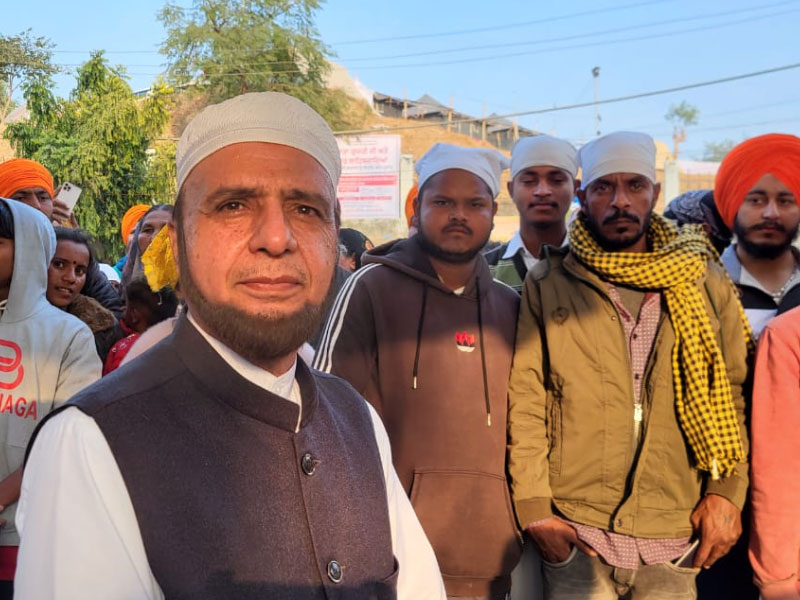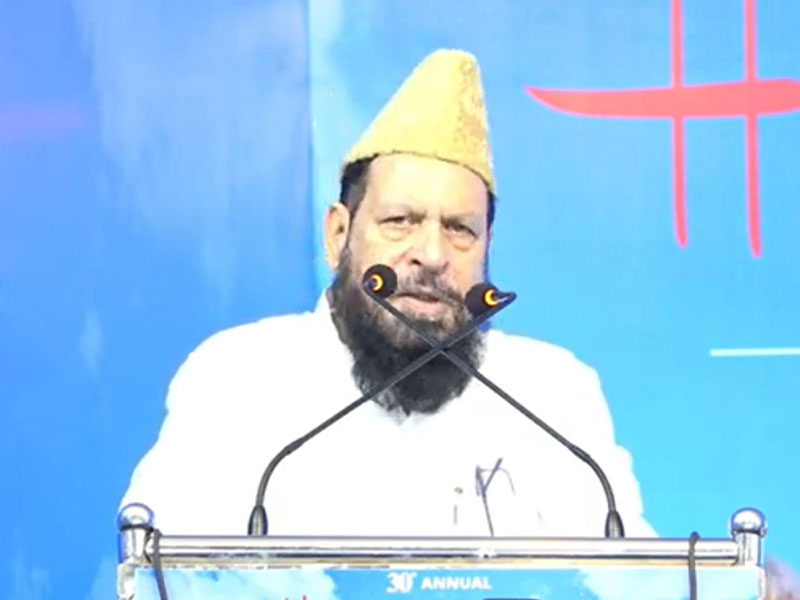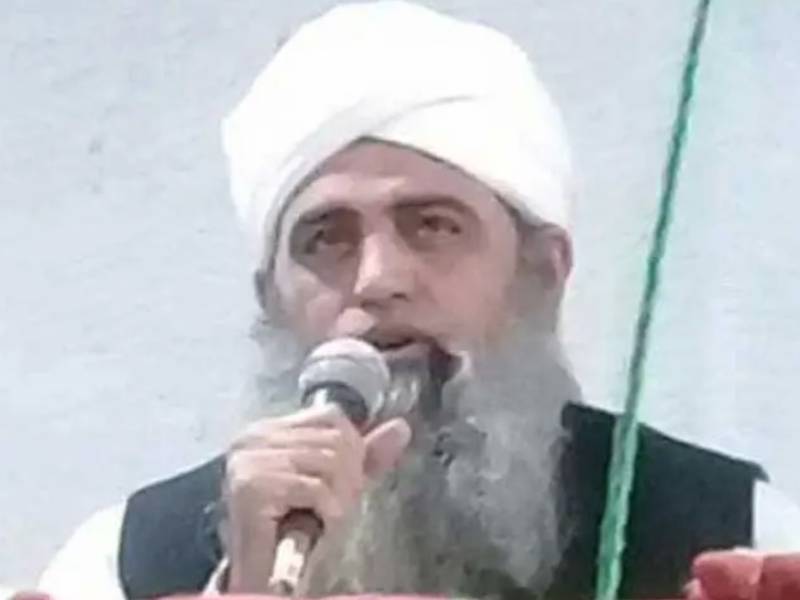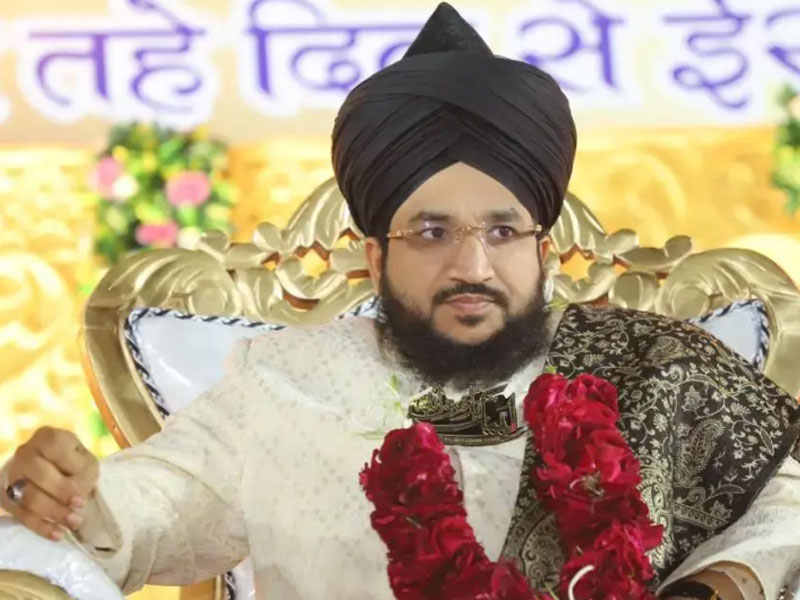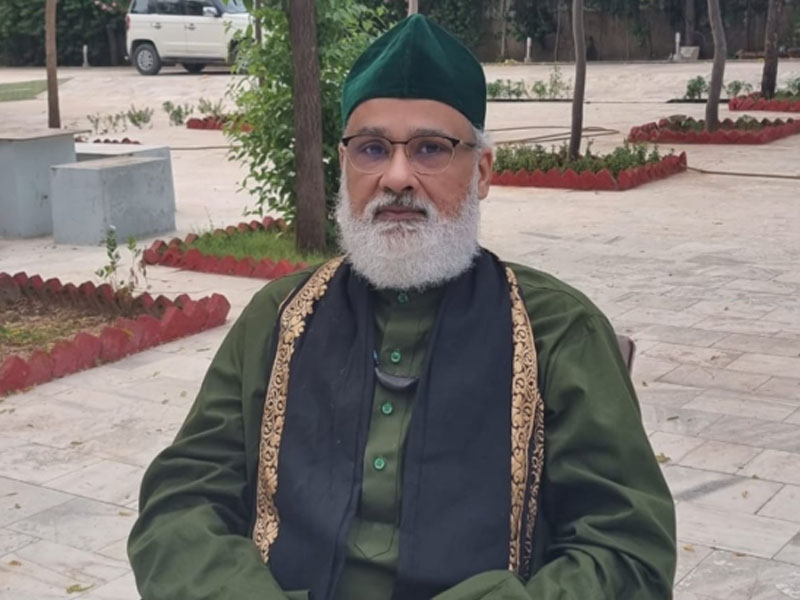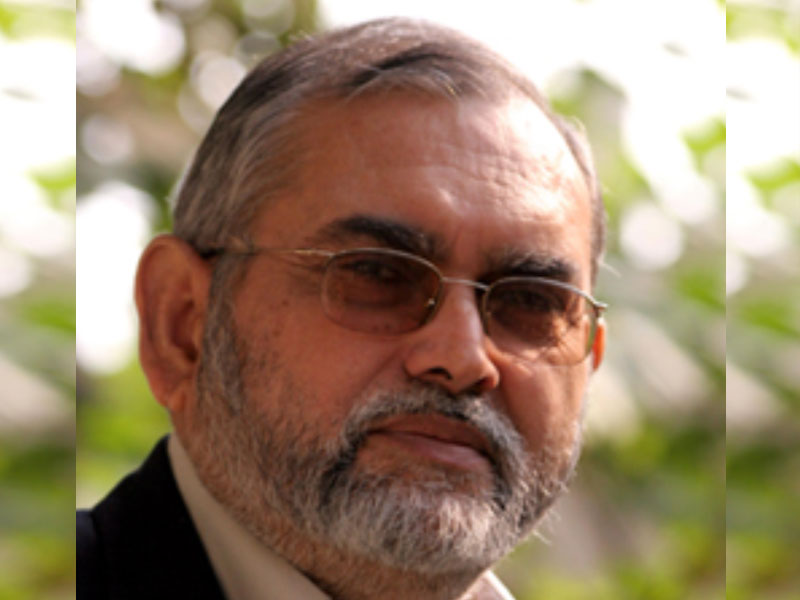
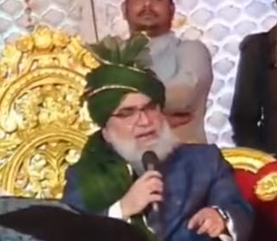
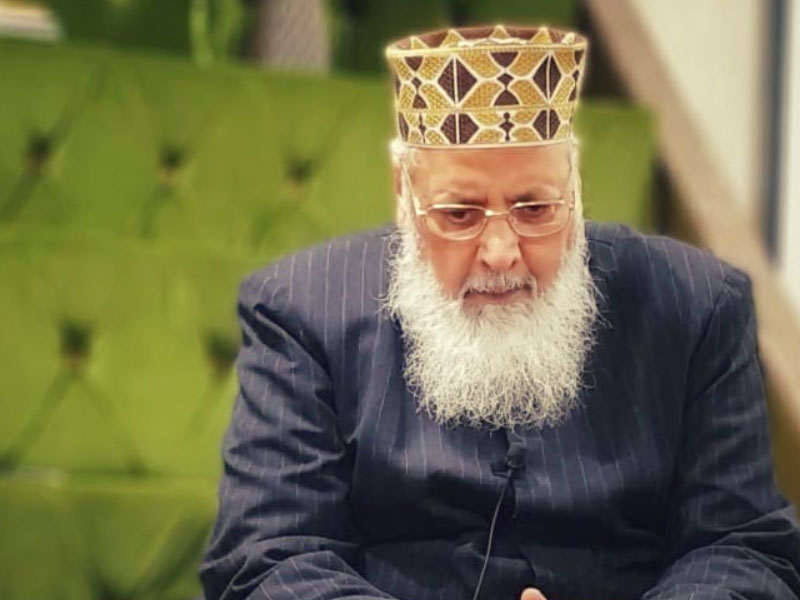
Asjad Raza Khan

Asjad Raza Khan - Asjad Raza Khan, Islamic Scholar, Spiritual Leader, Sajjada Nashin of Dargah-e-Aala Hazrat, Barelvi Movement Leader, Community Leader, Sufi Leader
#AsjadRazaKhan, #muslimcelebrity, #indiancelebrity, #indianmuslims, #topindians, #topindianmuslims, #AsjadRazaKhan, #Barelvi, #IslamicScholar, #SufiLeader, #DargahEAalaHazrat, #SpiritualLeader, #Peace, #CommunityLeader, #InterfaithHarmony, #IslamicEducation

Asjad Raza Khan


Asjad Raza Khan: Islamic Scholar/Spititual Leader/ Community Leader

Asjad Raza Khan (born in 1970) a prominent Islamic scholar and spiritual leader, is the current Sajjada Nashin (hereditary administrator) of the Dargah-e-Aala Hazrat in Bareilly, Uttar Pradesh, India. Born into the revered family of Aala Hazrat Imam Ahmed Raza Khan, a renowned Islamic theologian and founder of the Barelvi movement, Asjad Raza Khan has dedicated his life to upholding and promoting the teachings of his illustrious forefather.

From a young age, Asjad Raza Khan was immersed in an environment of religious scholarship and spiritual devotion. He pursued rigorous religious education, mastering various Islamic sciences, including jurisprudence, theology, and Hadith. His deep knowledge and understanding of Islam have made him a respected figure among scholars and devotees alike.

As the Sajjada Nashin of the Dargah-e-Aala Hazrat, Asjad Raza Khan plays a pivotal role in guiding the spiritual and religious life of millions of followers. The dargah, a major center for the Barelvi movement, attracts devotees from across the globe who seek spiritual solace and guidance. Under his leadership, the dargah has continued to be a beacon of Islamic learning and spiritual enlightenment.

Asjad Raza Khan is known for his commitment to promoting the values of peace, tolerance, and unity. He has been an outspoken advocate for interfaith harmony and has consistently called for the rejection of extremism and violence. His sermons and teachings emphasize the importance of love, compassion, and service to humanity, reflecting the core principles of Sufism.

Besides his spiritual duties, Asjad Raza Khan has been actively involved in various social and educational initiatives. He has supported the establishment of schools, madrasas, and charitable organizations aimed at uplifting the socio-economic status of the community. His efforts have been instrumental in providing educational opportunities and social support to the underprivileged.

Asjad Raza Khan's leadership and dedication to the cause of Islamic scholarship and spiritual guidance have earned him widespread respect and admiration. His work continues to inspire and positively impact the lives of countless individuals, reinforcing the timeless message of Aala Hazrat and the Barelvi tradition.

Feedback & Comment

Please provide Rating 1-5 stars:


Previous Feedback & Comments

Total Records: 0
Page 1 of 0

No Feedback /Comments for this page received yet!


Muslim Mirror 100: The Most Influential Indian Muslims 2024


Showing 100 of 100 records for 2024
A R Rahman - selected in the list of  The Most Influential Indian Muslims  - 2024

A R Rahman

A R Rahman, Entertainer

A. R. Rahman (1967) born as Dilip Kumar ( in Chennai, India, is a globally acclaimed music composer, singer, and songwriter known for his innovative and soulful compositions. His work spans across Indian cinema, international films, and various other musical collaborations, earning him the title "Mozart of Madras."

Rahman began his musical journey at a young age, influenced by his father, R.K. Shekhar, who was a composer and conductor for Tamil and Malayalam films. After his father's untimely death, Rahman took up various musical jobs to support his family, eventually securing a scholarship at the prestigious Trinity College of Music in London, where he earned a degree in Western classical music.

In 1992, Rahman made a sensational debut with the soundtrack for the Tamil film "Roja," directed by Mani Ratnam. The success of "Roja" catapulted Rahman to national fame, and he quickly became a sought-after composer in the Indian film industry. His unique blend of traditional Indian music with electronic music, world music, and orchestral arrangements set him apart from his contemporaries.

Some of Rahman's most iconic works in Indian cinema include soundtracks for films such as "Bombay" (1995), "Dil Se" (1998), "Taal" (1999), "Lagaan" (2001), "Swades" (2004), "Rang De Basanti" (2006), and "Slumdog Millionaire" (2008). The latter brought him international acclaim, earning him two Academy Awards for Best Original Score and Best Original Song, as well as a Golden Globe and a BAFTA.

Beyond film music, Rahman has also made significant contributions to theatre and international projects. He composed the music for the stage adaptation of "The Lord of the Rings" and collaborated with global artists such as Michael Jackson, Mick Jagger, and Andrew Lloyd Webber.

In addition to his musical achievements, Rahman is known for his philanthropic efforts, particularly in education and poverty alleviation. He founded the KM Music Conservatory in Chennai to nurture and develop musical talent in India.

A. R. Rahman's innovative spirit, combined with his deep-rooted musical heritage, has made him a transformative figure in both Indian and global music, earning him numerous awards and accolades, including the Padma Bhushan in 2010, one of India's highest civilian honors.


Aamir Khan - selected in the list of  The Most Influential Indian Muslims  - 2024

Aamir Khan

Amir Khan: Entertainer

Amir Khan (1965) born as Mohammed Aamir Hussain Khan in Mumbai, India, is a renowned actor, filmmaker, and philanthropist, widely regarded as one of the most influential figures in Indian cinema. Known for his versatility and dedication to his craft, Aamir Khan has earned the moniker "Mr. Perfectionist" in Bollywood.

Khan's career began as a child actor in the 1973 film "Yaadon Ki Baaraat," directed by his uncle Nasir Hussain. His first major role came in 1988 with the film "Qayamat Se Qayamat Tak," which was a significant box-office success and earned him a Filmfare Award for Best Male Debut. Over the years, Khan has starred in a wide range of films, showcasing his ability to adapt to diverse roles. Some of his most notable works include "Lagaan" (2001), "Dil Chahta Hai" (2001), "Rang De Basanti" (2006), "Taare Zameen Par" (2007), "Ghajini" (2008), "3 Idiots" (2009), "PK" (2014), and "Dangal" (2016).

In addition to his acting prowess, Khan is also a successful filmmaker. He made his directorial debut with "Taare Zameen Par," a critically acclaimed film that addresses the issue of dyslexia in children. His production company, Aamir Khan Productions, has been responsible for producing several successful films.

Aamir Khan's influence extends beyond cinema. He is known for his social activism and commitment to various causes. His television show, "Satyamev Jayate," which aired from 2012 to 2014, highlighted pressing social issues in India, such as female foeticide, child sexual abuse, and domestic violence, and received widespread acclaim for its impactful storytelling and awareness-raising efforts.

Khan has received numerous awards and honors throughout his career, including multiple Filmfare Awards and the Padma Shri in 2003 and the Padma Bhushan in 2010, two of India's highest civilian honors. His contributions to Indian cinema and society have cemented his legacy as a transformative figure in both the entertainment industry and the realm of social change.


Abdul Hameed Nomani - selected in the list of  The Most Influential Indian Muslims  - 2024

Abdul Hameed Nomani

Abdul Hameed Nomani: Islamic scholar, Academic

Maulana Abdul Hameed Nomani (1965) is a prominent Islamic scholar, author, and TV debater known for his in-depth knowledge of Islamic theology, jurisprudence, and his articulate defense of Islamic teachings in contemporary discussions. With a deep commitment to the propagation of authentic Islamic principles, he has become a significant figure in modern Islamic scholarship, especially among those seeking clarity on contemparory religions.

Born and raised in an academic family with a tradition of religious scholarship, Maulana Nomani pursued his religious education in various esteemed institutions, where he studied classical Islamic texts in depth. His knowledge spans a wide range of Islamic sciences, including Tafseer (Quranic exegesis), Hadith (Prophetic traditions), Fiqh (Islamic jurisprudence), and Islamic history. Through his scholarly approach, he has gained respect for his emphasis on understanding and interpreting Islam in the light of both classical sources and contemporary challenges.

Maulana Nomani is a prolific author, having written extensively on Islamic topics that encompass both theoretical and practical aspects of Islam. He is also a recognized expert on Hinduism, Hindutva, and the RSS, and has written several books analyzing Hindutva ideology and its key ideologues. Additionally, Maulana Nomani is a renowned scholar in the field of comparative religious studies. His major works include Hindutva: Ahdaaf o Masaail, Savarkar: Fikr o Tahreek – Ek Mutalea, and Hedgewar: Hayat o Fikr.

His works often address the correct understanding of various Islamic practices. His ability to articulate complex Islamic concepts in an easily accessible manner has earned him a wide readership

Apart from his writing, Maulana Abdul Hameed Nomani is a well-known television debater, where he represents Islamic viewpoints in debates with scholars and critics from different backgrounds. His calm demeanor, logical reasoning, and profound knowledge have made him a respected figure in these public intellectual exchanges. Through his media presence, he has successfully conveyed Islamic perspectives on contemporary issues, earning admiration for his balanced and thoughtful approach.

Maulana was also general secretary, All India Muslim Majlis-e-Mushawarat, an umbrella body of Muslim organizations.

Through his scholarship, writings, and media engagements, Maulana Abdul Hameed Nomani continues to make valuable contributions to the intellectual and spiritual discourse in India.


Abdul Kader Fazlani - selected in the list of  The Most Influential Indian Muslims  - 2024

Abdul Kader Fazlani

Abdul Kader Fazlani: Businessman, Plilanthropist

Abdul Kader Fazlani (1949) is a prominent Indian businessman, philanthropist and  the Chairman of the Fazlani Group, a diversified conglomerate with interests in various sectors including real estate, education, and hospitality. Known for his visionary leadership and commitment to excellence, Fazlani has played a significant role in shaping the group's success and growth.

Born into a family with a strong entrepreneurial spirit, Abdul Kader Fazlani was exposed to the dynamics of business from an early age. His academic background in business management and economics provided him with a solid foundation for his entrepreneurial ventures. Fazlani's strategic vision and innovative approach have been key drivers in the expansion and diversification of the Fazlani Group.

Under his leadership, the Fazlani Group has made notable strides in several industries. The group is particularly recognized for its contributions to real estate development, where it has undertaken a range of projects including residential, commercial, and mixed-use properties. Fazlani's focus on quality and sustainability has set high standards in the real estate sector, earning the group a reputation for excellence.

Other than real estate, the Fazlani Group has a strong presence in the education sector. Abdul Kader Fazlani has been instrumental in establishing and supporting educational institutions that provide high-quality education and promote holistic development. His commitment to education reflects his belief in its power to drive positive social change and empower individuals.

The hospitality sector is another area where Fazlani's leadership has made a significant impact. The group's ventures in hospitality are known for their focus on providing exceptional experiences and services. Fazlani's emphasis on customer satisfaction and operational excellence has contributed to the success and growth of these ventures.

Abdul Kader Fazlani is also actively involved in various philanthropic and social initiatives. His commitment to giving back to the community is evident in the group's support for charitable causes, including healthcare, education, and disaster relief. Fazlani's philanthropic efforts are aimed at improving the quality of life for underserved communities and promoting social welfare.

Throughout his career, Abdul Kader Fazlani has received recognition and accolades for his contributions to business and community service. His leadership and vision continue to drive the Fazlani Group's success and influence, making him a respected figure in the Indian business landscape.

Abdul Kader Fazlani's achievements as Chairman of the Fazlani Group highlight his strategic acumen, commitment to excellence, and dedication to social responsibility. His leadership and innovative approach have positioned the group as a leading player in various industries, and his efforts continue to make a positive impact on society.


Abdul Qadeer - selected in the list of  The Most Influential Indian Muslims  - 2024

Abdul Qadeer

Abdul Qadeer: Educationist, Eduprenure

Abdul Qadeer is a renowned educationist and a prominent figure in the field of education and community development in India. Known for his unwavering dedication to the empowerment of marginalized communities through education, he has made significant contributions to the academic and social landscape of the country.

Born into a modest family, Abdul Qadeer's journey to becoming an influential educationist is a testament to his resilience and commitment. He pursued his higher education with a focus on educational development and pedagogy, which laid the foundation for his future endeavors in transforming the educational sector.

Abdul Qadeer is the founder and driving force behind the Shaheen Group of Institutions, based in Bidar, Karnataka. Established with the vision of providing quality education to underprivileged students, particularly from the Muslim community, the Shaheen Group has grown into a network of schools and colleges that offer a wide range of academic programs. The institutions under his leadership emphasize not only academic excellence but also character building and holistic development.

One of the key aspects of Abdul Qadeer's educational philosophy is the integration of modern and traditional education. He has been instrumental in creating a curriculum that balances contemporary subjects with moral and ethical teachings, ensuring that students receive a well-rounded education. His efforts have resulted in a significant number of students from his institutions excelling in various competitive examinations and securing admissions to prestigious universities.

In addition to his work in education, Abdul Qadeer is a passionate advocate for social justice and community upliftment. He has been actively involved in various social initiatives aimed at improving the living conditions and prospects of marginalized groups. His work extends to organizing awareness programs, providing scholarships, and facilitating skill development workshops, all aimed at empowering individuals and communities.

Abdul Qadeer's contributions have been recognized with numerous awards and accolades, reflecting his impact on education and social development. His visionary leadership and tireless efforts continue to inspire many, as he remains dedicated to his mission of fostering an inclusive and equitable educational environment.

Through his relentless pursuit of educational excellence and social justice, Abdul Qadeer has left an indelible mark on the lives of countless individuals. His legacy as an educationist and community advocate stands as a beacon of hope and progress for future generations.


Abdulla Kunhi - selected in the list of  The Most Influential Indian Muslims  - 2024

Abdulla Kunhi

Abdulla Kunhi:  Entrepreneur, Edupreneur and Philanthropist

Dr. Yenepoya Abdulla Kunhi, a prominent entrepreneur, philanthropist, and educationist, has significantly contributed to the fields of healthcare and education in India. Born into a family with a legacy of service and entrepreneurship, Dr. Kunhi is best known for founding Yenepoya University in Mangalore, Karnataka, which stands as a beacon of quality education and medical excellence.

Under his visionary leadership, Yenepoya University has grown into a multi-disciplinary institution offering programs in medicine, dentistry, nursing, allied health sciences, law, and management. The university is renowned for its state-of-the-art infrastructure, innovative teaching methods, and emphasis on research and holistic education. His dedication to fostering academic excellence and ethical values has made Yenepoya University a preferred choice for students from India and abroad.

Dr. Kunhi's contributions extend beyond education. As the chairman of the Yenepoya Group, he has played a pivotal role in developing advanced healthcare facilities in Mangalore, ensuring affordable and accessible medical care for all. His hospitals are equipped with cutting-edge technology and provide compassionate care, aligning with his commitment to social responsibility.

A devout advocate of community welfare, Dr. Kunhi has initiated numerous programs aimed at empowering marginalized sections of society, including scholarships for economically disadvantaged students and community healthcare initiatives. His efforts have earned him recognition and respect from various quarters, making him a role model for aspiring entrepreneurs and philanthropists.

Dr. Yenepoya Abdulla Kunhi's life exemplifies a harmonious blend of business acumen, humanitarian spirit, and a relentless pursuit of excellence, leaving a lasting impact on the spheres of education, healthcare, and social development.


Abdur Rahman - selected in the list of  The Most Influential Indian Muslims  - 2024

Abdur Rahman

Abdur Rahman: Author, Activist, Former IPS Officer

Abdur Rahman (born in 1973) is a distinguished former Indian Police Service (IPS) officer, author, and social reformer whose career is marked by integrity, intellectual depth, and a commitment to justice. Born and raised in Maharashtra, Rahman served in the IPS for over two decades, where he earned a reputation for fairness, efficiency, and adherence to the principles of the Constitution.

Rahman’s decision to resign from the IPS in 2019 in protest against the Citizenship (Amendment) Act (CAA) highlighted his unwavering commitment to secularism and human rights. He publicly criticized the law as discriminatory and contrary to the ethos of India’s pluralistic democracy, making him a prominent voice against the marginalization of minorities.

Beyond his police career, Rahman is an accomplished author who has written extensively on social justice, communal harmony, and governance. His books, including Denial and Deprivation and Communal Crimes and National Integration, delve into issues of systemic inequality, minority rights, and the role of governance in fostering an inclusive society. His scholarly works are widely appreciated for their insightful analysis and balanced approach, bridging the gap between academic research and grassroots realities.

Rahman’s writings and public engagements reflect his deep understanding of India’s socio-political fabric and his vision for an equitable society. As a speaker, he continues to address forums on topics ranging from constitutional values to communal harmony, inspiring many to strive for justice and equality.

A firm believer in education as a tool for empowerment, Rahman also engages in initiatives to uplift marginalized communities through awareness and advocacy. His multifaceted contributions, as a law enforcer, intellectual, and reformer, underscore his dedication to building a just and inclusive India.

Abdur Rahman’s life exemplifies courage, scholarship, and a steadfast commitment to principles, making him a respected figure in contemporary Indian society.


Aboobacker Musliyar - selected in the list of  The Most Influential Indian Muslims  - 2024

Aboobacker Musliyar

A. P. Aboobacker Musliyar: Islamic Scholar/ Spritual Leader/Academic

Kanthapuram A. P. Aboobacker Musliyar (1931), also known as Sheikh Abubakr Ahmad is a distinguished Islamic scholar and spiritual leader in India, particularly within the state of Kerala. Born  in Kanthapuram, Kozhikode district, he has dedicated his life to the promotion of Islamic education, social welfare, and interfaith harmony.

Aboobacker Musliyar received his early education in traditional Islamic schools and later continued his studies at the prestigious Baqiyath Swalihath in Vellore, Tamil Nadu. He is widely recognized for his deep understanding of Islamic jurisprudence, theology, and spirituality, earning him respect and admiration among the Muslim community in India and beyond.

As the General Secretary of the All India Sunni Jamiyyathul Ulama, Aboobacker Musliyar has played a crucial role in shaping the Sunni Muslim community's religious and social landscape. He is also the Chancellor of the Markazu Ssaquafathi Ssunniyya (Sunni Cultural Center) in Kozhikode, an institution he founded in 1978 to promote Islamic education and cultural awareness. The center has since grown to become one of the largest Islamic educational institutions in India, offering a wide range of programs from primary to higher education.

Aboobacker Musliyar is a strong advocate for interfaith dialogue and peaceful coexistence. He has participated in numerous conferences and seminars aimed at fostering mutual understanding and respect among different religious communities. His efforts in this area have been instrumental in promoting communal harmony in a region often marked by religious diversity.

In addition to his educational and interfaith initiatives, Aboobacker Musliyar is deeply involved in social welfare activities. He has established various charitable organizations that provide healthcare, housing, and financial assistance to the underprivileged. His commitment to social justice and humanitarian work has earned him accolades from various quarters.

Kanthapuram A. P. Aboobacker Musliyar's life and work stand as a testament to the power of education, compassion, and dialogue in building a more just and harmonious society.


Abu Asim Azmi - selected in the list of  The Most Influential Indian Muslims  - 2024

Abu Asim Azmi

Abu Asim Azmi:  Politician


Abu Asim Azmi (born in 1955)  in Azamgarh, Uttar Pradesh, is a seasoned Indian politician and a prominent member of the Samajwadi Party (SP). Known for his unwavering commitment to social justice and minority rights, Azmi has been an influential figure in Maharashtra politics and a vocal advocate for the Muslim community.


Azmi's political journey began in the early 1990s when he joined the Samajwadi Party, a party known for its socialist principles and focus on the welfare of marginalized communities. His deep-rooted connection to his constituents and his ability to address their concerns quickly earned him a reputation as a dedicated and effective leader.


Throughout his career, Azmi has held several key positions within the party and the government. He has been elected multiple times to the Maharashtra Legislative Assembly, representing the Mankhurd-Shivaji Nagar constituency. As a legislator, Azmi has been a vocal advocate for education, employment, and social welfare programs aimed at uplifting the economically and socially disadvantaged.


One of Azmi's most notable contributions has been his relentless efforts to improve the educational infrastructure for minorities. He has been instrumental in establishing schools and colleges that provide quality education to underprivileged students, thereby enabling them to pursue higher education and secure better career opportunities. His focus on education reflects his belief that it is the key to empowering communities and breaking the cycle of poverty.


Azmi has also been a staunch defender of minority rights and has often raised his voice against discrimination and injustice. His outspoken stance on issues affecting the Muslim community has made him a significant figure in national debates on secularism, communal harmony, and social justice. He has participated in numerous protests and advocacy campaigns, calling for equal treatment and opportunities for all citizens, regardless of their religious or socio-economic background.


Despite facing political challenges and controversies, Azmi's dedication to his principles and his community has remained steadfast. His resilience and ability to connect with people from diverse backgrounds have earned him a loyal following and respect across party lines.


Abu Asim Azmi's contributions to Indian politics, particularly his advocacy for minority rights and educational development, highlight his enduring commitment to social justice and equality. 


His leadership continues to inspire many, as he strives to create a more inclusive and equitable society.


Afzal Ansari - selected in the list of  The Most Influential Indian Muslims  - 2024

Afzal Ansari

Afzal Ansari: Politician, Phylonthropist


Afzal Ansari (born in 1953) a seasoned politician and prominent Member of Parliament (MP) from Uttar Pradesh, has had a significant impact on Indian politics. Born on August 14, 1953, in Yusufpur, Ghazipur district, Ansari comes from a family deeply rooted in political and social service. He is the elder brother of Mukhtar Ansari, a well-known figure in Uttar Pradesh politics.


Ansari began his political career in the early 1980s and quickly established himself as a formidable leader. He first gained prominence by winning the assembly elections from the Mohammadabad constituency in 1985, representing the Communist Party of India (CPI). His deep connection with grassroots politics and dedication to social justice issues earned him considerable respect and a loyal voter base.


Over the years, Afzal Ansari transitioned to various political parties, reflecting his pragmatic approach to politics. He joined the Bahujan Samaj Party (BSP), where his influence grew significantly. Ansari's tenure as an MP began in 2004 when he won the Lok Sabha seat from Ghazipur on a BSP ticket. His articulate speeches and active participation in parliamentary debates underscored his commitment to his constituents and national issues.


Ansari's political journey has not been without challenges. He faced legal battles and controversies, often linked to his brother's criminal allegations. Despite these hurdles, Afzal Ansari maintained his political relevance through his resilience and strategic alliances. In the 2019 general elections, he secured a decisive victory from Ghazipur as a candidate of the BSP, once again proving his enduring appeal and political acumen.


Known for his eloquence and deep understanding of rural issues, Afzal Ansari continues to be a significant figure in Uttar Pradesh politics. His focus on development, social justice, and community welfare remains at the core of his political agenda, making him a respected leader in his constituency and beyond.


Ahmad Abdul Hai - selected in the list of  The Most Influential Indian Muslims  - 2024

Ahmad Abdul Hai

Ahmad Abdul Hai: Surgeon

Dr. Ahmad Abdul Hai (born in 1942) is a distinguished surgeon and medical educator, renowned for his contributions to healthcare and medical research in India. Born in Patna, Bihar, Dr. Hai developed a passion for medicine early in life, which led him to pursue a career in surgery. He completed his medical education at the prestigious Patna Medical College, where he also served as a faculty member, mentoring numerous students who have since become leaders in the medical field.

Dr. Hai is best known for his pioneering work in gastrointestinal surgery, particularly in the field of liver and pancreatic surgeries. Over his career, he has performed thousands of complex surgeries, many of which were firsts in the region. His expertise and innovative techniques have earned him recognition both nationally and internationally.

Beyond his surgical accomplishments, Dr. Hai has been an advocate for affordable and accessible healthcare. He established the Hai Hospital in Patna, a center of excellence that provides high-quality medical care to patients regardless of their financial status. The hospital has become a beacon of hope for countless individuals who otherwise would not have access to advanced medical treatment.

Dr. Hai's contributions extend beyond the operating room. He has been a prolific researcher, publishing numerous papers in national and international medical journals. His research has focused on improving surgical outcomes and developing new techniques in minimally invasive surgery, which have been adopted by surgeons worldwide.

In addition to his medical work, Dr. Hai is also involved in various social and charitable activities, often organizing free medical camps in rural areas of Bihar. His dedication to both his profession and his community has earned him numerous awards and honors, making him a respected figure in the medical fraternity and a source of inspiration for aspiring doctors.

Dr. Ahmad Abdul Hai's legacy is one of excellence in surgery, education, and humanitarian service, leaving an indelible mark on the healthcare landscape of India.


Ahmad Bukhari - selected in the list of  The Most Influential Indian Muslims  - 2024

Ahmad Bukhari

Ahmad Bukhari: Religious Leader

Ahmad Bukhari, the Shahi Imam of Delhi's Jama Masjid, is a prominent religious leader and influential figure in India's Muslim community. Born into the prestigious Bukhari family, known for its long lineage of religious leaders, Ahmad Bukhari has carried forward the legacy of his forefathers with a strong commitment to Islamic principles and community service.

Ahmad Bukhari's role as the Shahi Imam places him at the helm of one of the largest and most historic mosques in India. The Jama Masjid, built by Mughal Emperor Shah Jahan in the 17th century, is not only a place of worship but also a symbol of Islamic heritage and culture in India. As the Shahi Imam, Bukhari leads Friday prayers, delivers sermons, and oversees the mosque's administration. His position demands not only religious leadership but also a deep understanding of social and political issues affecting Muslims in India.

Throughout his tenure, Ahmad Bukhari has been an outspoken advocate for the rights and welfare of Muslims. He has often used his platform to address issues of social justice, communal harmony, and the protection of minority rights. Bukhari's sermons and public statements frequently emphasize the importance of peace, unity, and adherence to Islamic values in the face of contemporary challenges.

Bukhari's leadership extends beyond the confines of the mosque. He has engaged with political leaders, participated in interfaith dialogues, and worked towards fostering better understanding between different religious communities. His efforts to promote education, social welfare, and economic empowerment among Muslims have been widely recognized and appreciated.

Despite facing criticism and controversies, Ahmad Bukhari remains a steadfast figure in Indian religious and political spheres. His influence and actions continue to shape the discourse around Muslim identity and rights in India. As the Shahi Imam of Jama Masjid, Ahmad Bukhari embodies the responsibility of preserving Islamic traditions while navigating the complexities of modern society. His leadership serves as a beacon for many, inspiring a commitment to faith, justice, and community service.


Ahmad Wali Faisal Rahmani - selected in the list of  The Most Influential Indian Muslims  - 2024

Ahmad Wali Faisal Rahmani

Ahmad Wali Faisal Rahmani: Religious Scholar/ Community leader  

Faisal Rahmani is an influential figure in the realm of Islamic education and social reform, known for his commitment to empowering the Muslim community through knowledge and leadership. Born into a family with a strong tradition of religious scholarship, Faisal Rahmani was deeply inspired by his lineage and dedicated himself to the pursuit of Islamic learning from a young age.

Faisal Rahmani pursued his formal education in Islamic studies at some of the most esteemed institutions in India, where he excelled in various disciplines, including Fiqh (Islamic jurisprudence), Tafsir (Quranic exegesis), and Hadith (Prophetic traditions). His academic achievements were complemented by a strong sense of social responsibility, which led him to become actively involved in various community initiatives.

As a leader, Faisal Rahmani has been at the forefront of efforts to modernize and strengthen Islamic education in India. He has played a key role in the establishment and development of several educational institutions that aim to provide high-quality Islamic education alongside modern secular subjects. His vision is to create a generation of Muslims who are not only well-versed in their religious traditions but are also equipped to engage with the broader world in meaningful ways.

Beyond education, Faisal Rahmani is also a respected voice on issues of social justice and community development. He has been involved in numerous initiatives aimed at improving the socio-economic conditions of marginalized communities, advocating for their rights, and working towards their upliftment.

He has been General Secretary of All India Muslim Persoanl Law Board. Presently is is Sajjada Nasheen, Khanqah Rahmani, Munger, Bihar, Ameer-e-Shariat, Bihar, Orissa and Jharkhand and Presiden of Rahmani Mission.


Ahmed Buhari - selected in the list of  The Most Influential Indian Muslims  - 2024

Ahmed Buhari

Ahmed Buhari: Entrepreneur, Phylonthropist

Ahmed Buhari (born in1969) is a dynamic Indian entrepreneur and phylonthropist known for his innovative approach to social work, business and entrepreneurship. 

Ahmed Buhari is the President of the United Economic Forum (UEF), a Chennai-based business and social organization Estd in 1979 by his father Dr. B.S. Abdur Rahman, a leading industrialist, educationalist, philanthropist, to uplift the socio-economic status of the community and society through Economic Empowerment, Education, and Social Development. 

Ahmed Buhari holds a Master’s degree in Shipping, Trading, and Finance from Bayes Business School, City - St. George’s University, London, and a Bachelor’s degree in Marketing from Bentley University, Boston, USA. Upon completion, he joined his family enterprise — ETA-ASCON-Buharia Group, founded by his father, Dr. B.S. Abdur Rahman.
 
Driven by an entrepreneurial vision, Ahmed Buhari later founded the Coal & Oil Group, an India-centric integrated energy company that established a 1,200 MW thermal power plant in Tuticorin, Tamil Nadu — a landmark project contributing nearly 6% of the state’s power requirement. This remains one of the largest power plants in South India, symbolizing both industrial progress and community pride.
 
He also serves as a Director of Buhari Holdings, Trustee of Seethakathi Trust, B.S. Abdur Rahman Crescent Institute of Science and Technology, Chairman of the Tuticorin Development Board, and Founding Trustee of the Keelakarai Town Development Trust.
 
Since assuming leadership as President of UEF in 2011, AB has transformed UEF into a dynamic business chamber, expanded members' base and successfully organized four international summits where more than 10,000 people participated which includes , Chief Minister, Ministers,high profile dignitaries, speakers from around 30 countries and others.
 
Through its initiatives, UEF has fostered impactful ventures, including Twin Health, a US based unicorn.
To date, UEF has facilitated projects valued at ~ USD 3. 6 billion.
 
In line with Viksit Bharat and GOI Startup India initiaitive as also IIT Madras research park he seeks to establish Entrepreneurship Hubs in 45 associated educational institutions as also in rest of India to support entrepreneurship. At their BS Abdur Rahman University's Crescent Innovation and Incubation Centre they have nurtured over 140 Startups, within 5 years, valued at over Rs. 3,000cr
 
UEF’s initiatives extend to strategic and financial advisory services, knowledge sharing, and organizing international conferences
 
Beyond his professional pursuits, AB is a deep-sea diver, endurance horse rider, and avid cyclist. He is also passionate about cooking, gardening, reading, and cherishes spending quality time with his family.


Ameen Mian Qadri - selected in the list of  The Most Influential Indian Muslims  - 2024

Ameen Mian Qadri

Syed Muhammad Ameen Mian Qadri: Religious Leader/ Spiritual Leader

Syed Muhammad Ameen Mian Qadri is a distinguished Indian Sufi leader and scholar, serving as the Sajjada Nashin of Khanqah-e-Barkatiya Marehra Shareef, a prominent center of the Qadri Order and part of the Indian Sufi Barelvi movement. He is also the founder of Jamia Al Barkaat Aligarh, an institution serving over 50 million adherents worldwide.

Ameen Mian Qadri has had an illustrious academic career as a senior professor and Chairman of the Department of Urdu at the esteemed Aligarh Muslim University. His influence extends beyond academia; he was ranked 44th among the 500 Most Influential Muslims globally by the Royal Islamic Strategic Studies Centre in collaboration with Georgetown University's Prince Alwaleed Bin Talal Center. He was the sole Indian Muslim recognized in this prestigious list.

In 2006, Hindustan Times referred to him as the leading figure of the Ahle Sunnah sect. His spiritual lineage, Barkatiya, traces its roots to the revered Qadiriyya silsila of Baghdad and is followed by an estimated two million adherents in India and abroad. As a spiritual leader, he has presided over numerous gatherings both domestically and internationally, further strengthening his influence.

Ameen Mian Qadri has dedicated significant efforts to the educational empowerment of Indian Muslims. He established a network of institutions under the Al-Barkaat banner, including Al Barkaat Institute of Management Studies and Research, Al Barkaat Public Schools (for boys and girls), Al Barkaat Department of Education, Al Barkaat Institute of Graduate Studies, Al Barkaat Vocational Studies College, Al Barkaat Play and Learn Centre, and Jamia Ahsanul Barkaat. These institutions have played a transformative role in enhancing access to quality education and fostering socio-economic development within the Muslim community.


Ameer Ahamed - selected in the list of  The Most Influential Indian Muslims  - 2024

Ameer Ahamed

Ameer Ahamed: Pioneering social change through business and education

 Ameer Ahamed Manappat, an alumnus of Aligarh Muslim University, is the Chairman and Managing Director of the Manappat Group of Companies, a Dubai-headquartered business conglomerate with over 20 business units spanning India, Oman, and the UK. His group operates across diverse sectors, including EPC, construction, manufacturing, trading, interior design, fit-outs, and education, embodying a culture rooted in ethical values and teamwork.

A re-engineering specialist, Ameer Ahamed revitalizes struggling businesses, transforming them into profitable ventures. In recognition of his entrepreneurial acumen, he received the Outstanding Entrepreneur Award from the Kerala State Industrial Development Corporation in 2011. Beyond business, he is deeply committed to social causes, focusing on education, health, interest-free microfinance, and skill development.

Through the Manappat Foundation, Ameer Ahamed spearheads transformative educational initiatives, especially for Hafiz-e-Quran students. His flagship project, Vision International Academy in Phulat, Uttar Pradesh, empowers underprivileged students by bridging traditional Islamic and modern education. The academy nurtures bright Hafiz-e-Quran students to excel in fields like engineering, medicine, and law, aiming to create empowered citizens and community role models.

His work extends beyond education. Ameer Ahamed’s projects include the Paravur Punarjani Project to assist Kerala’s 2018 flood victims, school initiatives in Aligarh, and relief programs in Kushinagar. Recently, an MoU was signed with Cheraman Malik Manzil Orphanage to establish a Vision International Academy branch in Kodungallur, Kerala.

A passionate advocate for social upliftment, he envisions establishing 100+ Vision International Academies across India with the support of like-minded philanthropists. Under his leadership, impactful projects such as the Social Advancement Foundation of India (SAFI) College, a NAAC A++ accredited institution in Kerala, have also flourished.

Driven by a relentless quest to uplift marginalized communities, Ameer Ahamed’s contributions are a beacon of hope. His commitment to humanity and social progress continues to inspire, with the potential to leave an enduring legacy for the betterment of the Ummah and society at large.


Amir Edresy - selected in the list of  The Most Influential Indian Muslims  - 2024

Amir Edresy

Amir Edresy: Activist

Aamir Edresy is the founder and president of the Association of Muslim Professionals (AMP), a prominent non-profit organization dedicated to the socio-economic development of Muslims in India. With a vision to empower the community through education, employment, and economic upliftment, Edresy has been a driving force behind numerous initiatives that have made a significant impact on the lives of thousands.

Born and raised in Mumbai, Edresy pursued engineering before embarking on a career in the corporate world. However, his passion for community service and a desire to address the socio-economic challenges faced by Muslims in India led him to establish AMP in 2007. Under his leadership, AMP has grown into a robust network of professionals committed to collective progress.

AMP's flagship program, "Project AMP Zakat Fund," focuses on providing scholarships to economically disadvantaged students, enabling them to pursue higher education and achieve their career goals. This initiative has transformed the lives of many young individuals, giving them the opportunity to break the cycle of poverty and build a better future. Another notable program is the "Employment Assistance Cell," which connects job seekers with potential employers, conducts job fairs, and provides career guidance and training to enhance employability.

Edresy's leadership style is characterized by inclusivity and collaboration. He has successfully brought together professionals from various fields to contribute their expertise and resources for community development. His ability to inspire and mobilize people has been instrumental in the expansion of AMP's activities across India and even internationally.

His work with AMP, Aamir Edresy is an active participant in various social and educational forums. He frequently speaks at conferences and seminars, sharing insights on community development, social entrepreneurship, and the role of professionals in nation-building.


Arfa Khanam Sherwani - selected in the list of  The Most Influential Indian Muslims  - 2024

Arfa Khanam Sherwani

Arfa Khanam Sherwani: Journalist/Anchoar

Arfa Khanum Sherwani (born in 1980) is a prominent Indian journalist known for her fearless reporting, incisive analysis, and unwavering commitment to free speech and democratic values. With a career spanning over two decades, she has made significant contributions to the field of journalism, earning respect and recognition for her work on critical social, political, and human rights issues.

Born and raised in Bulandshahr, Uttar Pradesh, Arfa Khanum Sherwani pursued her higher education in journalism and mass communication, equipping herself with the skills and knowledge necessary for a career in media. She holds a Master's degree in Mass Communication from Aligarh Muslim University and further honed her journalistic skills with a postgraduate diploma from the Indian Institute of Mass Communication (IIMC) in New Delhi.

Sherwani began her career in journalism with the television news channel NDTV, where she worked as a reporter and anchor. Her dynamic reporting and ability to tackle challenging topics quickly set her apart in the competitive world of Indian media. Over the years, she has covered a wide range of issues, including political developments, social justice movements, and human rights abuses.

Currently, Arfa Khanum Sherwani is a senior editor at The Wire, an independent online news platform known for its investigative journalism and in-depth analysis. At The Wire, she has continued to produce impactful stories that highlight the voices of marginalized communities, expose injustices, and hold those in power accountable. Her reporting on issues such as religious intolerance, gender discrimination, and state repression has been particularly influential.

In addition to her work at The Wire, Sherwani is a regular commentator on various television news channels and public forums, where she provides insightful analysis on current affairs. Her articulate and well-informed perspectives have made her a respected voice in the media landscape.

Arfa Khanum Sherwani's dedication to journalism extends beyond reporting; she is also a strong advocate for press freedom and the protection of journalists. She has been vocal about the challenges faced by the media in India, including censorship, intimidation, and attacks on journalists. Her advocacy efforts aim to ensure that the media remains a pillar of democracy and a watchdog for society.

Throughout her career, Sherwani has received numerous awards and accolades for her contributions to journalism, including the prestigious Chameli Devi Jain Award for Outstanding Woman Journalist. Her fearless and principled approach to reporting continues to inspire many aspiring journalists and defenders of free speech.

Arfa Khanum Sherwani's work as a journalist and advocate for democratic values underscores her significant role in contemporary Indian society. Her commitment to truth, justice, and the empowerment of marginalized voices makes her a vital figure in the ongoing efforts to uphold the principles of a free and fair press.


Arif Mohammad Khan - selected in the list of  The Most Influential Indian Muslims  - 2024

Arif Mohammad Khan

Arif Mohammad Khan: Politician

Arif Mohammad Khan (born in 1951) is a prominent Indian politician and former Union Minister, best known for his firm stance on Shah Bano issue. Born in the village of Bijnor in Uttar Pradesh, Khan emerged as an influential political figure with a background in both Islamic theology and modern political thought. His early education at Aligarh Muslim University (AMU) was followed by his active involvement in student politics, where he became a prominent leader in the National Students' Union of India (NSUI).

Khan first entered the national political scene as a member of the Indian National Congress and was elected to the Lok Sabha (the lower house of Parliament) in 1980. He went on to serve in various ministerial positions, including as the Minister of State for Communications and Minister of State for Civil Aviation during his tenure. He was particularly known for his candid stance on several key national issues, notably his principled opposition to the Shah Bano case judgment, which sparked national debate over the role of personal laws in India’s legal system.

In 1986, following his resignation from the Congress party, Arif Mohammad Khan emerged as a vocal advocate for the preservation of India’s secular constitution and the separation of religion from politics. He joined the Bharatiya Janata Party (BJP) in the 1990s and continued to advocate for reforms in both political and social spheres.

Apart from his political career, Khan is known for his scholarly work, particularly on Islamic thought, interfaith dialogue, and the integration of Islam with modern democratic values. Many of his writings have appeared in Organiser Weekly, a publication associated with the Rashtriya Swayamsevak Sangh (RSS). Khan is often considered to have a close relationship with the RSS leadership, and he has expressed support for certain aspects of Hindu nationalist ideology. His association with the RSS has been a subject of discussion, as he advocates for a vision of India that aligns with the ideals promoted by the RSS.


Arshad Madani - selected in the list of  The Most Influential Indian Muslims  - 2024

Arshad Madani

Arshad Madani: Islamic Scholar, Community Leader

Maulana Arshad Madani (1941-) a distinguished Islamic scholar and influential community leader, serves as the president of the Jamiat Ulama-i-Hind (JUH), one of India's oldest and most significant Islamic organizations. Born in Deoband, a town and a municipality in Saharanpur district of Uttar Pradesh, he belongs to a lineage deeply rooted in Islamic scholarship and has dedicated his life to the religious and social upliftment of Muslims in India.

Arshad Madani's education and early life were heavily influenced by his family's legacy of Islamic learning. He studied at the Darul Uloom Deoband, one of the most prestigious Islamic seminaries in the world, where he was deeply immersed in Islamic jurisprudence, theology, and philosophy. His profound knowledge and understanding of Islamic sciences earned him respect and recognition within the Muslim community.

As a leader of the Jamiat Ulama-i-Hind, Arshad Madani has played a crucial role in addressing the social, educational, and economic challenges faced by Muslims in India. He has been a vocal advocate for minority rights and has worked tirelessly to promote communal harmony and national integration. Under his leadership, JUH has been actively involved in various humanitarian and relief efforts, providing aid and support to communities affected by natural disasters and social unrest.

Madani is also known for his efforts in promoting education among Muslims. He has been instrumental in establishing and supporting numerous educational institutions, including madrasas and modern schools, aimed at providing quality education to Muslim youth. His vision for an educated and empowered Muslim community has been a driving force behind many initiatives that seek to bridge the gap between traditional and modern education.

A staunch advocate for justice and equality, Arshad Madani has often spoken out against policies and practices that he perceives as discriminatory towards Muslims. His outspoken stance on various socio-political issues has made him a prominent figure in national debates on minority rights and secularism.

Maulana Arshad Madani plays a pivotal role in delivering justice to those falsely implicated in terror cases by providing them with legal assistance. His efforts have led several Muslims securing justice in the court.

Maulana Arshad Madani's contributions to Islamic scholarship, community leadership, and advocacy for minority rights make him a pivotal figure in contemporary Indian society. His enduring dedication to education, social justice, and communal harmony stands as a testament to his impactful legacy.


Asaduddin Owaisi - selected in the list of  The Most Influential Indian Muslims  - 2024

Asaduddin Owaisi

Asaduddin Owaisi: Politician

Asaduddin Owaisi (born in 1969) is a prominent Indian politician, lawyer, and the president of the All India Majlis-e-Ittehadul Muslimeen (AIMIM). Born in Hyderabad, Telangana, Owaisi hails from a distinguished family of political leaders. His father, Sultan Salahuddin Owaisi, was a renowned politician and former president of AIMIM, laying the foundation for Asaduddin’s future in politics.

Owaisi completed his schooling in Hyderabad and went on to study law at Lincoln's Inn in London, becoming a barrister. His legal training and sharp oratory skills have significantly contributed to his political career. Returning to India, Owaisi entered politics, continuing his family's legacy. He was first elected as a Member of Parliament (MP) for Hyderabad in 2004 and has since been re-elected multiple times, becoming a vocal and influential figure in Indian politics.

As the president of AIMIM, Owaisi has transformed the party from a regional entity into a significant political force with a growing presence across various states in India. Under his leadership, AIMIM has focused on issues concerning Muslims and other marginalized communities, advocating for their rights and socio-economic development. Owaisi's speeches and parliamentary interventions often address critical issues such as communalism, social justice, and minority rights.

Owaisi is known for his articulate and impassioned speeches, both in Parliament and public rallies. He has been a strong critic of policies he perceives as discriminatory towards Muslims and other minority groups. Despite facing criticism and controversy, Owaisi remains steadfast in his commitment to secularism and inclusive politics. His leadership style combines a deep understanding of legal and constitutional matters with a pragmatic approach to electoral politics.

Beyond his political endeavors, Owaisi is involved in various social and educational initiatives through the Owaisi Hospital & Research Centre and several educational institutions aimed at improving the socio-economic conditions of the underprivileged.

Asaduddin Owaisi's dynamic leadership and unwavering advocacy for minority rights have earned him a prominent place in Indian politics. His work continues to inspire many, highlighting the importance of representation, justice, and equality in a diverse democracy.


Asghar Ali Imam Mahadi Salafi - selected in the list of  The Most Influential Indian Muslims  - 2024

Asghar Ali Imam Mahadi Salafi

Asghar Ali Imam Mahadi Salafi: Islamic Scholar

Maulana Asghar Ali Imam Mahadi Salafi (born in 1963) is an Islamic scholar and spiritual leader, respected for his deep knowledge of Islamic teachings and his strong commitment to the Salafi tradition. Born into a family with a long-standing legacy of religious scholarship, he has dedicated his life to the study, teaching, and propagation of authentic Islamic principles based on the Quran and Sunnah, adhering strictly to the Salafi methodology.

He is known for his scholarly works, which primarily focus on the purification of Islamic thought and practice, emphasizing the importance of adhering to the original teachings of Islam as understood by the early generations of Muslims (the Salaf). His teachings advocate for the rejection of innovations (Bid'ah) and the return to the foundational sources of Islam, stressing the importance of unity in the Muslim ummah and the avoidance of sectarianism.

Maulana Asghar Ali Imam Mahadi Salafi’s educational journey includes studying under prominent Islamic scholars in various centers of learning. His deep understanding of Arabic, Islamic jurisprudence (Fiqh), hadith (Prophetic traditions), and theology has earned him recognition among both his peers and followers. He is also known for his eloquent and powerful lectures, which blend deep intellectual rigor with spiritual insight.

Aside from his role as a teacher, Maulana Asghar Ali Imam Mahadi Salafi is also Ameer of Markazi Jamiat Ahle Hadees Hind. He has also been involved in community leadership and has worked tirelessly to promote social and moral reforms within the Muslim community

His influence continues to extend far beyond his local community, with a growing following among those seeking to reconnect with the pure, unadulterated teachings of Islam. Through his scholarly and spiritual guidance, Maulana Salafi remains a beacon of light for many Muslims seeking a deeper connection to their faith.


Ashraf Kichhouchhwi - selected in the list of  The Most Influential Indian Muslims  - 2024

Ashraf Kichhouchhwi

Syed Mohammad Ashraf Kichhouchhwi: Spiritual Leader

Syed Mohammad Ashraf Kichhouchhwi (born 5 July 1966) is a prominent Indian Sufi leader and spiritual master from Kichchouchcha Sharif, home to the renowned shrine of Ashraf Jahangir Semnani in Uttar Pradesh. He is an advocate for Sufi Sunni Muslims and the founder and National President of the All India Ulema and Mashaikh Board (AIUMB), a movement aimed at promoting Sufi values and countering extremism in India.

As the leader of AIUMB, Kichhouchhwi has rallied Sufi clerics and Muslim leaders to address terrorism and extremism. In 2015, he led a delegation that met the Indian Prime Minister to express concerns about rising extremism. He emphasized that groups like ISIS and al-Qaeda do not represent Islam, advocating for greater awareness and promoting Sufi traditions through initiatives like a "Sufi circuit" to rejuvenate shrines and boost tourism.

Kichhouchhwi has organized large-scale gatherings, known as "Muslim Maha Panchayats," to assert Sufi independence from Wahhabi influences. He has also led protests against controversial Islamic televangelists, including Zakir Naik, for their divisive rhetoric, emphasizing the need for religious harmony.

On the international stage, Kichhouchhwi represented Indian Sufis at the First Asia & Pacific Countries Muslim Religious Leaders' Summit in Turkey, where he called for united action against radicalism. He condemned terrorism as a threat to humanity and highlighted the historical values of Islam rooted in compassion and coexistence.

Following the Paris attacks in 2015, Kichhouchhwi denounced ISIS, stating that their actions violate Islamic principles and history. He has consistently opposed extremist ideologies, asserting that terrorism has no place in any religion, and continues to work toward fostering peace and unity among diverse communities.


Asjad Raza Khan - selected in the list of  The Most Influential Indian Muslims  - 2024

Asjad Raza Khan

Asjad Raza Khan: Islamic Scholar/Spititual Leader/ Community Leader

Asjad Raza Khan (born in 1970) a prominent Islamic scholar and spiritual leader, is the current Sajjada Nashin (hereditary administrator) of the Dargah-e-Aala Hazrat in Bareilly, Uttar Pradesh, India. Born into the revered family of Aala Hazrat Imam Ahmed Raza Khan, a renowned Islamic theologian and founder of the Barelvi movement, Asjad Raza Khan has dedicated his life to upholding and promoting the teachings of his illustrious forefather.

From a young age, Asjad Raza Khan was immersed in an environment of religious scholarship and spiritual devotion. He pursued rigorous religious education, mastering various Islamic sciences, including jurisprudence, theology, and Hadith. His deep knowledge and understanding of Islam have made him a respected figure among scholars and devotees alike.

As the Sajjada Nashin of the Dargah-e-Aala Hazrat, Asjad Raza Khan plays a pivotal role in guiding the spiritual and religious life of millions of followers. The dargah, a major center for the Barelvi movement, attracts devotees from across the globe who seek spiritual solace and guidance. Under his leadership, the dargah has continued to be a beacon of Islamic learning and spiritual enlightenment.

Asjad Raza Khan is known for his commitment to promoting the values of peace, tolerance, and unity. He has been an outspoken advocate for interfaith harmony and has consistently called for the rejection of extremism and violence. His sermons and teachings emphasize the importance of love, compassion, and service to humanity, reflecting the core principles of Sufism.

Besides his spiritual duties, Asjad Raza Khan has been actively involved in various social and educational initiatives. He has supported the establishment of schools, madrasas, and charitable organizations aimed at uplifting the socio-economic status of the community. His efforts have been instrumental in providing educational opportunities and social support to the underprivileged.

Asjad Raza Khan's leadership and dedication to the cause of Islamic scholarship and spiritual guidance have earned him widespread respect and admiration. His work continues to inspire and positively impact the lives of countless individuals, reinforcing the timeless message of Aala Hazrat and the Barelvi tradition.


Azad Moopen - selected in the list of  The Most Influential Indian Muslims  - 2024

Azad Moopen

Azad Moopen: Healthcare Entrepreneur/Philonthropist 

Azad Moopen (born in 1953) is an Indian healthcare entrepreneur and philanthropist, best known as the founder and Managing Director of Aster DM Healthcare, a global conglomerate in the healthcare industry. Born in 1953 in Kalpakanchery, Kerala, India, Moopen pursued his medical degree (MBBS) at Calicut Medical College and completed his MD in general medicine. After practicing medicine for a few years in India, he moved to Dubai in the mid-1980s, where he began his entrepreneurial journey in healthcare.

In 1987, Moopen founded Aster DM Healthcare, which started as a single clinic in Dubai. Over the decades, it expanded into a major healthcare network, operating in multiple countries across the Middle East, India, and Southeast Asia. Aster DM Healthcare now includes hospitals, clinics, diagnostic centers, and pharmacies, providing high-quality medical care to millions of patients. The group operates over 500 healthcare facilities, including 29 hospitals, 121 clinics, and over 450 pharmacies. Moopen’s vision for accessible and affordable healthcare has played a significant role in transforming the healthcare landscape, particularly in the Gulf region.

Azad Moopen’s contributions to healthcare have earned him numerous accolades and recognitions. He was awarded the Pravasi Bharatiya Samman in 2011 by the President of India for his contributions to Indian expatriates and healthcare. Additionally, he has been recognized in various global forums for his leadership in the healthcare industry.

Apart from his business ventures, Moopen is deeply involved in philanthropic work through the Dr. Moopen Foundation. The foundation focuses on healthcare, education, and social welfare initiatives, providing free medical care, supporting disaster relief, and offering scholarships to students.

Azad Moopen’s commitment to improving healthcare and his philanthropic efforts have made him a key figure in the global healthcare industry, contributing not only to the growth of healthcare infrastructure but also to the well-being of communities in need.


Azam Khan - selected in the list of  The Most Influential Indian Muslims  - 2024

Azam Khan

Azam Khan: Politician

Azam Khan (born in 1948) in Rampur, Uttar Pradesh, is a prominent Indian politician known for his long-standing association with the Samajwadi Party (SP). With a political career spanning several decades, Khan has been a significant figure in Uttar Pradesh politics and has held various important positions in the state government.

Khan began his political journey in the 1970s, actively participating in student politics. He graduated from Aligarh Muslim University, where he was involved in the student union, laying the foundation for his future political endeavors. His early involvement in politics was marked by his commitment to social justice and advocacy for the rights of minorities.

In 1980, Khan was elected to the Uttar Pradesh Legislative Assembly for the first time as a member of the Janata Party. He later joined the Samajwadi Party, founded by Mulayam Singh Yadav, and became one of its key leaders. Over the years, he has been elected to the Uttar Pradesh Legislative Assembly multiple times, representing the Rampur constituency.

Azam Khan has held several ministerial portfolios in the Uttar Pradesh government, including Urban Development, Minority Welfare, and Parliamentary Affairs. His tenure as a minister was marked by his efforts to improve urban infrastructure, promote minority education, and advocate for the welfare of marginalized communities.

A controversial and outspoken leader, Khan has often found himself at the center of political debates and controversies. His fiery speeches and unfiltered remarks have sometimes drawn criticism, but they have also endeared him to his supporters, who see him as a fearless advocate for their rights.

Despite facing legal challenges and political opposition, Khan has remained a steadfast figure in Uttar Pradesh politics. His resilience and commitment to his constituents have earned him a loyal following, particularly among the Muslim community in the state.

Azam Khan's political journey is characterized by his unwavering dedication to social justice, minority rights, and grassroots development. His impact on Uttar Pradesh politics and his role in shaping the Samajwadi Party's policies continue to make him a significant and influential figure in Indian politics.


Azim Hashim Premji - selected in the list of  The Most Influential Indian Muslims  - 2024

Azim Hashim Premji

Azim Hashim Premji: Businessman

Azim Hashim Premji (born in 1945) in Bombay (now Mumbai), is a prominent Indian businessman, philanthropist, and the former chairman of Wipro Limited, a leading multinational corporation in the IT services sector. Recognized as one of India's most influential business leaders, Premji transformed Wipro from a small hydrogenated cooking fat company into a global IT powerhouse.

After the sudden death of his father in 1966, Premji left his studies at Stanford University and returned to India to take over the family's business. Under his visionary leadership, Wipro diversified and expanded into the technology sector in the 1980s. This strategic shift was pivotal, allowing Wipro to capitalize on the burgeoning IT industry and establish itself as a major player on the global stage.

Premji's business acumen and ethical leadership have earned him numerous accolades, including being named one of the world's most influential people by TIME magazine and receiving the Padma Bhushan in 2005 and the Padma Vibhushan in 2011, India's third and second-highest civilian awards, respectively.

Beyond his business success, Premji is also renowned for his philanthropy. In 2001, he founded the Azim Premji Foundation, focused on improving the quality of education in India. His commitment to social causes is reflected in his decision to sign the Giving Pledge, promising to donate the majority of his wealth to charitable causes. As of 2024, he has donated over $21 billion to philanthropy, primarily aimed at education and healthcare.

Premji's legacy is characterized by his dedication to both business excellence and social responsibility. His work continues to inspire future generations of entrepreneurs and philanthropists, highlighting the profound impact that business leaders can have on society through ethical practices and unwavering commitment to the greater good.


Badruddin Ajmal - selected in the list of  The Most Influential Indian Muslims  - 2024

Badruddin Ajmal

Badruddin Ajmal: Politician

Badruddin Ajmal, a prominent politician and philanthropist, is the founder and president of the All India United Democratic Front (AIUDF), a political party in Assam. Born on February 12, 1950, in Hojai, Assam, Ajmal is a multifaceted personality known for his contributions to politics, business, and social work.
 
Ajmal hails from a family with a strong business background. He pursued Islamic studies at Darul Uloom Deoband, one of India's most prestigious Islamic seminaries, and became a qualified Islamic scholar. Leveraging his business acumen, Ajmal expanded his family’s perfume business, Ajmal Perfumes, into a globally recognized brand.
 
Ajmal entered politics in 2005, founding the AIUDF to address the issues faced by Assam's marginalized communities, particularly Muslims and Bengali-speaking populations. Under his leadership, AIUDF emerged as a significant political force in Assam, advocating for minority rights, education, and social justice.
 
Elected as a Member of Parliament from Dhubri constituency in 2009, Ajmal served multiple terms, raising critical issues in Parliament. He is known for his vocal stance on minority welfare and his efforts to combat communalism. Despite facing criticism from political adversaries, he remains a central figure in Assam's political landscape.
 
In addition to his political career, Ajmal is a philanthropist who established numerous educational and healthcare institutions under the Ajmal Foundation. These initiatives aim to uplift underprivileged communities in Assam, focusing on education, vocational training, and women’s empowerment.
 
Badruddin Ajmal’s journey exemplifies a blend of religious scholarship, entrepreneurial success, and a commitment to public service, making him one of Assam’s most influential leaders.


Bahauddin Muhammed Jamaluddin Nadvi - selected in the list of  The Most Influential Indian Muslims  - 2024

Bahauddin Muhammed Jamaluddin Nadvi

Bahauddin Muhammed Jamaluddin Nadvi: Islamic Scholar, Academic

Bahauddeen Muhammed Jamaluddeen Nadwi (born in 1951) is a prominent Muslim scholar from Kerala, India, known for his significant contributions to literary and historical scholarship. He is one of the founding members of Darul Huda Islamic University, where he currently serves as Vice Chancellor. Nadwi is dedicated to revitalizing and modernizing the traditional Islamic curriculum, aiming to adapt teaching methods to meet contemporary global needs. His work as an Islamic scholar has taken him across the world, where he has lectured extensively.

Born in Kooriyad near Kottakkal in the Malappuram district of Kerala, Nadwi hails from a family with a deep-rooted tradition of scholarship. His father, Muhammad Jamaluddin, was a respected scholar, and his maternal grandfather, Zainuddin bin Ahmed, also known as Thenu Musliyar, was a revered Muslim scholar and Sufi in Kerala. Nadwi's academic journey began with a degree in Arabic Language, 'Afzal Al Ulama,' from the University of Calicut in 1979. He also earned a Diploma in Arabic Language Teaching from the Government of Kerala in 1971.

At the age of 30, Nadwi sought advanced education in North India, enrolling in Darul Uloom Nadwatul Ulama in Lucknow in 1981. He earned a degree in 'Alimiyya' in Arabic Language and Islamic Studies in 1983, followed by a master's degree in Arabic Literature from Aligarh Muslim University in 1987. His international education included a Da'wa course at Al-Azhar University in Egypt.

Nadwi was mentored by eminent scholars, including Abul Hasan Al Nadwi, Shamsul Ulema E.K Aboobakar Musliyyar, M.D. Sayyid Tantawi (former Rector of Al-Azhar), Ali Jumu’a Muh’d (former Grand Mufti of Egypt), and Saeedu Rahman Al Aa’zmi.

Among his notable works are Inba' al-Ma'arifin bi-Anba' al-Musannifin (Insights into the Lives of Scholars), Tarikh al-Adab al-Arab (History of Arabic Literature), and Mukthar al-Akhlaq wa-Adab (Ethics and Etiquette). Nadwi’s scholarship and dedication continue to influence and inspire generations of students and scholars.


Bilal Abdul Hai Hasni Nadvi - selected in the list of  The Most Influential Indian Muslims  - 2024

Bilal Abdul Hai Hasni Nadvi

Bilal Abdul Hai Hasni Nadvi: Islamic scholar, Academic

Bilal Abdul Hai Hasni Nadvi (born in 1969) is a distinguished Islamic scholar renowned for his deep knowledge of Islamic jurisprudence, literature, and history. Born into a family rooted in Islamic scholarship, he inherited a rich legacy of learning and spirituality. His early education took place under the tutelage of his father and other eminent scholars, which laid a strong foundation for his future scholarly pursuits.

He pursued advanced studies at the prestigious Darul Uloom Nadwatul Ulama in Lucknow, where he excelled in various Islamic sciences, including Tafsir (Quranic exegesis), Hadith (Prophetic traditions), Fiqh (Islamic jurisprudence), and Arabic literature. His dedication to learning and his keen intellect earned him the admiration of his teachers and peers alike.

After completing his studies, Bilal Abdul Hai Hasni Nadvi embarked on a career in teaching and Islamic scholarship. He served as a faculty member at several Islamic institutions, where he contributed significantly to the intellectual and spiritual growth of his students. His eloquence in Arabic and Urdu, coupled with his profound understanding of Islamic teachings, made him a sought-after speaker and teacher.

Throughout his career, Bilal Abdul Hai Hasni Nadvi has been actively involved in various educational and social initiatives aimed at promoting Islamic values and knowledge. He has authored numerous books and articles on Islamic theology, law, and history, which are widely respected in academic and religious circles.

His contributions to Islamic scholarship and his commitment to the education and spiritual development of the Muslim community have earned him a place of honor among contemporary Islamic scholars. Bilal Abdul Hai Hasni Nadvi continues to inspire and guide the next generation of scholars and students with his wisdom and dedication.


E Abu Bakar - selected in the list of  The Most Influential Indian Muslims  - 2024

E Abu Bakar

E. Abu Bakar: Islamic Scholar, Community leader

E. Abu Bakar (born in 1952) is a significant figure in the socio-political landscape of India, particularly known for his role as a leader in the banned Popular Front of India (PFI). He is also a founder member of All India Muslim Personal Law Board,

Born and raised in Kerala, Abu Bakar became actively involved in social and political activism early in his life, driven by a deep sense of commitment to the rights and empowerment of marginalized communities, especially Muslims.

Abu Bakar's leadership in PFI has been marked by his efforts to address issues related to social justice, communal harmony, and the upliftment of the downtrodden. Under his guidance, PFI has focused on various initiatives aimed at improving the socio-economic conditions of underprivileged communities. These initiatives include educational programs, legal aid, and awareness campaigns about constitutional rights and social justice.

A charismatic and articulate leader, E. Abu Bakar has been vocal about the challenges faced by Muslims in India, advocating for their rights in a democratic framework. He has been actively involved in organizing campaigns and movements that highlight issues of discrimination, police brutality, and state excesses. His approach often emphasizes the need for community unity and strategic action to address these challenges.

However, Abu Bakar's leadership has also been contentious. PFI has faced criticism and legal scrutiny over its activities, with allegations of involvement in extremist activities and incitement of violence. Despite these controversies, Abu Bakar has maintained that PFI is committed to lawful activism and peaceful advocacy for the rights of marginalized groups.

Throughout his career, E. Abu Bakar has remained a polarizing figure, admired by many for his unwavering commitment to social justice, while also facing criticism from those who view his methods as provocative.

He has been in custody for two years following his arrest on September 22, 2022, under UAPA from his residence in Kozhikode. At the time of his arrest, Abubacker, had no prior criminal record. He has been bedridden since January 2020 due to severe health conditions. He underwent extensive treatment for cancer, including chemotherapy and surgery, which involved the surgical removal of 80% of his abdominal and intestinal area. This has left his digestive system severely compromised. He also suffers from Parkinson’s disease, diabetes, vision loss, and hypertension, further deteriorating his overall health.


Faisal Farooqui - selected in the list of  The Most Influential Indian Muslims  - 2024

Faisal Farooqui

Faisal Farooqui: Professional / Enterpreneur

Faisal Farooqui is an iconic entrepreneur in India's technology and digital sectors, celebrated for his innovative ventures and pioneering spirit. With a career spanning over two decades, he has significantly shaped the way consumers access and share opinions on products and services. A trailblazer in the Internet startup ecosystem of India, Farooqui has co-founded two companies and invested in several startups in India, mentoring many entrepreneurs.

Faisal Farooqui holds a degree in Information Systems and Finance from the State University of New York, underpinning his deep understanding of technology and business, at an extensive level. Faisal Farooqui is the founder and CEO of MouthShut.com, launched in 2000. As one of the first social media platforms from India, MouthShut.com became the country's largest website for consumer reviews and ratings of brands and businesses. It has impacted millions, helping consumers and businesses connect through honest feedback.

A sought-after speaker, Farooqui has presented and spoken at over 500 conferences globally, sharing insights on entrepreneurship, wealth creation and digital engagement. He loves to speak about the evolving role of social media in shaping public opinions, privacy, and digital rights. His expertise has been featured in leading media outlets and as a speaker at prestigious institutions like IIM Ahmedabad, IIT Mumbai, American University of Dubai and TEDx.

He authored the bestselling book In the Shadow of a Legend: Dilip Kumar and has won several awards for his ventures, including the Entrepreneur Magazine Top 100 Contemporary Entrepreneur Award.

Beyond entrepreneurship, Farooqui has been instrumental in shaping legal precedents in India's IT landscape. As a lead petitioner, he played a pivotal role in challenging sections of the IT Act, culminating in a landmark Supreme Court decision that declared Section 66A illegal and read down Section 79 of the IT Rules. His efforts have had a profound impact on digital freedoms in the country.

Honoured with numerous awards, including the Dr. APJ Kalam Top Entrepreneur Award by the BJP, the Manthan Award for Best Youth Website and the Gold Trophy at Indian Digital Media Awards, Farooqui's journey epitomizes innovation, resilience, and a commitment to driving positive change through entrepreneurship. He also serves as a visiting professor for the MBA program at Jamia Millia Islamia, Delhi.

Faisal lives with his family in Mumbai, India.


Faizan Mustafa - selected in the list of  The Most Influential Indian Muslims  - 2024

Faizan Mustafa

Faizan Mustafa:  Academic / Legal Expert

Faizan Mustafa is a prominent academic and legal scholar, renowned for his extensive contributions to legal education and scholarship. He has served as the Vice-Chancellor of NALSAR University of Law in Hyderabad and was the founding Vice-Chancellor of the National Law University Odisha (NLUO). Currently, he holds the position of Vice-Chancellor at Chanakya National Law University in Patna. Additionally, he is a member of the board of directors for T-Hub, a technology incubator.

Mustafa's educational background includes a degree in History and Law from Aligarh Muslim University, where he also earned his LL.M with distinction. He has a doctorate in Copyright Law and a diploma from the International Institute of Human Rights in International and Comparative Human Rights Law.

In his career, Mustafa has made significant strides as a legal educator and researcher. Before his role at NALSAR, he was the founding VC of NLUO and a former director at KIIT School of Law. He is a prolific author, having published numerous books and scholarly articles, and is noted for exploring novel areas such as HIV law. His scholarship includes contributions that have influenced judicial decisions, as evidenced by his article on religious freedom being cited in the Supreme Court's Sabarimala judgment in 2018.

Beyond academia, Mustafa engages with a broader audience through his YouTube channel, the Legal Awareness Web Series, where he discusses contemporary legal issues in simple language. He is a recurring legal expert on NDTV and writes columns for major publications like The Indian Express and The Hindu. His accolades include the Renne Cassin Gold Medal in 1999 and the SAARC Best Law Teacher Award in 2014, reflecting his esteemed status in the legal community.


Feroze Ahmad Ansari - selected in the list of  The Most Influential Indian Muslims  - 2024

Feroze Ahmad Ansari

Advocate Feroze Ahmad Ansari: Community Leader/ Advocate

Feroze Ahmad Ansari (born in 1962) is a distinguished advocate at the Supreme Court of India and a prominent socio-political leader. He currently serves as the National President of the All India Momin Conference, the All India Muslim Majlis-e-Mushawarat (AIMMM).

Hailing from a family with a strong legal background, Ansari is the son of the late M. Bashirul Haque, an eminent advocate in Dhanbad. He was mentored by Prof. M. Sallahuddin Ansari, a former Member of Parliament. After completing his schooling at De Nobili School, Dhanbad, he pursued a B.Sc. and later earned an M.A. from Aligarh Muslim University (AMU), where he was a Gold Medalist. He obtained an LL.B. from the Campus Law Centre, University of Delhi, along with law certifications from the Indian Law Institute.

Since enrolling with the Delhi State Bar Council in 1991, Ansari has been practicing at the Supreme Court, specializing in constitutional, service, labor, civil, and criminal law, as well as arbitration and public interest litigation (PIL). He is a life member of several prestigious legal and social organizations, including the Bar Association of India, the Indian Law Institute, and the Indian Islamic Cultural Centre.

Beyond his legal career, Ansari is deeply engaged in community service. As AIMC President, he has spearheaded initiatives in education and employment. He also played a crucial role in submissions to the Justice Ranganath Mishra Commission and the Sachar Committee, advocating for the rights of Indian Muslims.

Honored with the Jawahar Nehru Award, National Peace Award (2019), and Mahatma Gandhi Excellence Award (2020), Ansari continues to be a key voice in legal advocacy and community reform, both nationally and internationally.


Ghulam Mohammad Vastanvi - selected in the list of  The Most Influential Indian Muslims  - 2024

Ghulam Mohammad Vastanvi

Ghulam Mohammad Vastanvi: Islamic Scholar, Educationist

Ghulam Mohammad Vastanvi ((born in 1950) is a renowned Indian Islamic scholar, educationist, and former rector of Darul Uloom Deoband, one of the most prestigious Islamic seminaries in the world. Born in 1950 in the village of Vastan, Gujarat, Vastanvi has dedicated his life to the promotion of Islamic education and the upliftment of the Muslim community.

Vastanvi pursued his early education at local madrassas before joining the Darul Uloom Deoband, where he excelled in Islamic studies, earning recognition for his deep understanding of Fiqh (Islamic jurisprudence), Hadith (Prophetic traditions), and Tafsir (Quranic exegesis). After completing his studies, he returned to Gujarat, where he became a prominent figure in the field of Islamic education.

In 1981, Ghulam Mohammad Vastanvi founded the Jamia Islamia Ishaatul Uloom in Akkalkuwa, Maharashtra, which has grown into a major educational institution under his leadership. The institution offers a blend of traditional Islamic education and modern subjects, providing students with a well-rounded education that prepares them for both religious and secular pursuits. Vastanvi’s vision for integrating modern education with Islamic teachings has made him a pioneer in the field.

In 2011, Vastanvi was appointed as the rector of Darul Uloom Deoband, a position that placed him at the helm of one of the most influential Islamic institutions in the world. However, his tenure was short-lived due to controversies surrounding his views on the socio-political conditions of Muslims in India, leading to his resignation.

Despite the controversies, Vastanvi has remained a respected figure in the Indian Muslim community. His contributions to education and his efforts to promote a progressive vision for Islamic learning continue to be acknowledged and admired. Ghulam Mohammad Vastanvi’s legacy is one of dedication to the intellectual and social advancement of the Muslim community in India.


Gulfisha Fatima - selected in the list of  The Most Influential Indian Muslims  - 2024

Gulfisha Fatima

Gulfisha Fatima: Activist

Currently lodged in Tihar Jail, Gulfisha Fatima is a young activist and student leader who gained prominence for her role in the protests against the Citizenship Amendment Act (CAA) in India. Born and raised in Seelampur, Delhi, Gulfisha was pursuing her studies when she became actively involved in the anti-CAA movement, which was sparked by concerns that the legislation discriminated against Muslims and threatened the secular fabric of the country.

Gulfisha emerged as a key organizer and voice in the peaceful protests, particularly in North East Delhi. She was known for her articulate speeches and her commitment to raising awareness about the implications of the CAA and the National Register of Citizens (NRC). Her activism was driven by a deep sense of justice and a desire to protect the rights of marginalized communities in India.

In April 2020, Gulfisha Fatima was arrested under the Unlawful Activities (Prevention) Act (UAPA) in connection with the violence that erupted in North East Delhi in February 2020. The Delhi Police accused her of being part of a larger conspiracy to incite communal violence, charges that Gulfisha and her supporters have vehemently denied. Her arrest sparked outrage among human rights activists and civil society, who view her detention as part of a broader crackdown on dissent.

Gulfisha’s imprisonment has drawn attention to the challenges faced by activists in India, particularly those from minority communities. Despite being behind bars, she has remained a symbol of resistance and courage for many. Her case continues to be a focal point in discussions about civil liberties, freedom of speech, and the treatment of political dissenters in India.

Gulfisha Fatima's story is one of resilience in the face of adversity, and she continues to inspire others to stand up for justice and equality, even in the most challenging circumstances.


Hamid Ansari - selected in the list of  The Most Influential Indian Muslims  - 2024

Hamid Ansari

Hamid Ansari: Politician, Diplomat and  Scholar

Mohammad Hamid Ansari (born in 1937) is a distinguished diplomat, academic, and politician who served as the 12th Vice President of India from 2007 to 2017. His illustrious career spans over five decades, encompassing diplomacy, academia, and public service.

Ansari began his education in Kolkata and completed his postgraduate studies in Political Science from Aligarh Muslim University. He joined the Indian Foreign Service (IFS) in 1961, marking the start of a long and accomplished diplomatic career. Ansari served in critical roles, including as India’s ambassador to the United Arab Emirates, Afghanistan, Iran, and Saudi Arabia. His tenure as Permanent Representative of India to the United Nations further solidified his reputation as a skilled diplomat and statesman.

In academia, Ansari served as Vice-Chancellor of Aligarh Muslim University, where he worked to modernize the institution and bridge the gap between traditional and contemporary education. Later, he became the Chairperson of the National Commission for Minorities, advocating for minority rights and inclusive development in India.

Ansari’s election as Vice President in 2007 was a testament to his commitment to democratic values and constitutional governance. As Chairman of the Rajya Sabha, he was known for his impartiality and emphasis on decorum in parliamentary proceedings. He was re-elected for a second term in 2012, becoming one of the few Vice Presidents to serve two consecutive terms.

A prolific writer and speaker, Ansari has authored books and essays on topics ranging from international relations to constitutional values and social justice. His book, Dare I Question?, reflects his insights on governance and democracy.

Hamid Ansari’s legacy is defined by his diplomatic finesse, commitment to constitutional principles, and advocacy for pluralism and secularism, making him one of India’s most respected public figures.


Ibraheem Khaleel Al Bukhari - selected in the list of  The Most Influential Indian Muslims  - 2024

Ibraheem Khaleel Al Bukhari

Sayyid Ibraheem Khaleel Al Bukhari: Islamic Scholar

Sayyid Ibraheem Khaleel Al Bukhari, born in 1964 in Kadalundi, Kerala, is a distinguished Sunni Islamic scholar and influential community leader. Hailing from a lineage of scholars that traces its origins to Uzbekistan, he was raised in a family steeped in religious education. His primary education was imparted by his father, Sayyid Ahmed Bukhari, a respected spiritual guide in the region. Bukhari later pursued higher education in Islamic theology, graduating with second rank from Baqiyat Salihat Arabic College in Tamil Nadu.

In 1997, Bukhari founded Ma'din Academy in Malappuram, which has since grown into a significant educational institution serving over 22,000 students across 28 campuses. Under his leadership, Ma'din Academy has flourished, offering a wide range of programs from primary education to postgraduate studies, with a focus on both Islamic and contemporary education. His global influence is also reflected in his extensive travels and lectures on educational and social issues.

Bukhari holds several key leadership roles, including serving as the Joint Secretary of Samastha Kerala Jamiyyathul Ulama and General Secretary of Kerala Muslim Jamaat, an umbrella organization representing various Muslim groups in Kerala. He is also a member of the Muslim 500, a recognition of the most influential Muslims worldwide, and manages the international journal Armonia, which promotes pluralism and holistic education.

He has been a prominent representative at global forums, including the G20 Interfaith Forum, and led India's delegation to the Vatican for interfaith dialogues. Notable achievements include organizing the annual Ramadan Peace Conference and initiating the Knowledge Hunt, a program that exposes scholars to diverse cultural and religious destinations worldwide. Bukhari’s work in interfaith dialogue and education continues to have a profound impact both in India and internationally.


Imran Abbas Shaikh - selected in the list of  The Most Influential Indian Muslims  - 2024

Imran Abbas Shaikh

Imran Abbas Shaikh: Architect

Imran Abbas Shaikh (born in 1982) is a visionary architect based in Pune, Maharashtra, is a leading figure in the Indian architectural landscape. His work seamlessly blends modern design with cultural heritage, resulting in a portfolio that spans innovative urban projects and iconic cultural landmarks. Renowned for his distinctive approach, Imran has particularly redefined the design of mosques, incorporating facilities such as hospitals, museums, libraries, and community kitchens into these sacred spaces. His commitment to integrating functionality with tradition has set new standards in architecture and earned him widespread acclaim.

Imran’s journey from his roots in Pune to becoming a prominent architect is a testament to his dedication and creativity. His architectural firm, Cubix Architects, reflects his deep connection to his hometown, where his talents were nurtured. His passion for architecture was greatly influenced by his father, who instilled in him the belief that architecture is not just about creating structures but about crafting a future that brings positive change. This guidance became the driving force behind Imran’s relentless pursuit of excellence.

Imran’s educational journey began in Pune, where he demonstrated a keen interest in art and innovation from a young age. He honed his architectural skills at Bharati Vidyapeeth, consistently excelling throughout his studies. Beyond his formal education, Imran has made significant contributions as a guest lecturer, sharing his expertise with students and inspiring the next generation of architects.

One of his notable works is the ‘Muhammad Bin Abdullah Mosque’ in Dhannipur, Ayodhya, which is under construction. This mosque, spanning 4,500 square meters, will feature a hospital, community kitchen, library, and research center, and will be the first mosque in India with five minarets, symbolizing the five pillars of Islam.

Along with his architectural achievements, Imran is deeply committed to social causes through his nonprofit organization, the Human Embrace Foundation, which provides education to children from financially disadvantaged backgrounds. Imran Abbas Shaikh’s work exemplifies innovation, compassion, and a commitment to community empowerment, making him a role model for aspiring architects and youth alike.

Some of architect Imran’s finest works include:

1-KAUSAR BAUGH MASJID – PUNE, MAHARASHTRA

2-ISLAMIC SPIRITUAL CENTRE OF MAULANA SAJJAD NOMANI – NERAL, MAHARASHTRA

3-ISLAMIC SCHOOL AND INSTITUTIONAL CAMPUS – PHALTAN, MAHARASHTRA

4-ISLAMIC SCHOOL AND INSTITUTIONAL CAMPUS – NEPAL

5-MASJID MUHAMMAD BIN ABDULLAH INDO ISLIMIC CULTURAL – BABRI MASJID, UP AYODHYA

5-ISLAMIC SCHOOL AND INSTITUTIONAL CAMPUS – BANGLADESH


Imran Pratapgarhi - selected in the list of  The Most Influential Indian Muslims  - 2024

Imran Pratapgarhi

Imran Pratapgarhi: Poet and Politician

Imran Pratapgarhi (born in 1987) in Pratapgarh, Uttar Pradesh, is a renowned poet, social activist, and politician who has made significant contributions to both literature and public service. Known for his evocative poetry and fiery speeches, he seamlessly blends art and activism, making him a prominent voice for the marginalized.

Pratapgarhi rose to fame through his emotionally charged poetry, primarily written in Urdu and Hindi. His verses often reflect themes of social justice, communal harmony, and the struggles of the underprivileged. Imran’s poetic style resonates with the masses, especially the youth, as he fearlessly addresses issues of inequality and discrimination. His poetry recitals at mushairas (poetry gatherings) across India and abroad have earned him widespread recognition and a loyal following.

In addition to his literary achievements, Imran ventured into politics, driven by his commitment to social causes. He is a member of the Indian National Congress and currently serves as a Member of Parliament in the Rajya Sabha, representing Uttar Pradesh. Imran’s entry into politics marked his transition from being a voice of dissent in literature to actively participating in policymaking. As a politician, he continues to champion the causes of social justice, secularism, and minority rights.

Imran Pratapgarhi’s ability to connect with people through both poetry and politics sets him apart. His works, such as the iconic poem Madad Chahiye during the COVID-19 crisis, highlight his empathetic nature and commitment to societal well-being.

A dynamic blend of poet and politician, Imran Pratapgarhi exemplifies how art can inspire change and politics can amplify the voices of the unheard. His journey reflects the power of words and actions in shaping a more inclusive and equitable society.


Irfan Habib - selected in the list of  The Most Influential Indian Muslims  - 2024

Irfan Habib

Irfan Habib: Historian/ Academic

Irfan Habib (born in 1931) is a distinguished Indian historian renowned for his extensive contributions to the study of medieval Indian history and his expertise in Marxist historiography. Born on August 10, 1931, in Vadodara, Gujarat, he hails from a scholarly family; his father, Mohammad Habib, was a prominent historian, and his mother, Sohaila Habib, was an accomplished academic. Irfan Habib pursued his education at Aligarh Muslim University (AMU), where he completed his BA and MA in history. He later earned his DPhil from the University of Oxford, further honing his academic prowess.

Habib’s scholarly work primarily focuses on the economic and social history of medieval India, with a particular emphasis on the Mughal period. His landmark book, The Agrarian System of Mughal India, published in 1963, is considered a seminal work in the field, offering a detailed analysis of the agricultural economy under Mughal rule. He has also authored and edited numerous volumes, including Medieval India: The Study of a Civilization, Essays in Indian History: Towards a Marxist Perception, and the multi-volume People’s History of India series.

A committed Marxist, Habib’s approach to history emphasizes the importance of economic structures, class relations, and the role of material conditions in shaping historical developments. His work has been influential in challenging and reinterpreting established narratives of Indian history, often critiquing colonial and nationalist historiographies.

Beyond his research, Irfan Habib has been a dedicated educator, serving as a professor of history at AMU for many years. He has also been actively involved in various intellectual and cultural debates in India, particularly regarding the secular and pluralistic nature of Indian society.

Irfan Habib’s contributions to historical scholarship have earned him widespread recognition, making him one of India’s most respected historians. His work continues to inspire and influence generations of historians and scholars.


Irfan Razack - selected in the list of  The Most Influential Indian Muslims  - 2024

Irfan Razack

Irfan Razack: Businessman

Irfan Razack (born in 1953) is a prominent Indian businessman and the Chairman and Managing Director of Prestige Group, one of South India’s largest and most successful real estate development companies. Born into a business family in Bengaluru, Razack's journey into the real estate sector began with his deep understanding of the market and a vision to transform the urban landscape of his hometown.

Razack co-founded Prestige Group in 1986, alongside his brothers Rezwan and Noaman Razack. What began as a modest enterprise soon expanded under his leadership into a diversified conglomerate with interests in residential, commercial, retail, and hospitality sectors. Prestige Group's landmark projects, such as UB City, The Forum Mall, and Prestige Shantiniketan, have redefined the skyline of Bengaluru and other major cities in South India, earning the company a reputation for quality, innovation, and excellence.

Irfan Razack’s leadership style is marked by a relentless focus on customer satisfaction, ethical business practices, and a commitment to delivering world-class projects. His ability to anticipate market trends and adapt to the evolving needs of urbanization has been key to Prestige Group’s sustained growth. Under his stewardship, the company has received numerous awards and accolades, including the FIABCI Award for Excellence and the Best Developer in India award from various real estate forums.

Beyond his business acumen, Razack is known for his philanthropic endeavors. He is actively involved in various charitable initiatives, particularly in the areas of education, healthcare, and community development. His contributions to society have earned him recognition as a responsible corporate leader.

Irfan Razack's vision and entrepreneurial spirit have made him a leading figure in the Indian real estate industry. His legacy is reflected in the transformation of Bengaluru into a modern metropolis, with Prestige Group playing a pivotal role in shaping the city’s growth.


Javed Jamil - selected in the list of  The Most Influential Indian Muslims  - 2024

Javed Jamil

Javed Jamil: Islamic Scholar/ Academic

Dr. Javed Jamil (born in 1958) is a noted Indian scholar and thinker, widely recognized for his work in the fields of Islam, socio-economic analysis, Physics, Health Sciences and Urdu poetry. Born in Saharanpur, India, Jamil pursued his medical education at King George’s Medical University, Lucknow, and practiced as Consultant Physician for around 30 years. However, his intellectual pursuits extended far beyond medicine, leading him to explore and critique contemporary issues.

Dr. Jamil is best known for his pioneering concept of Applied Islamics, which deals with critical study of modern sciences and social issues in the light of Islam and applying Islamic principles for establishing Holistic Peace in the world. He has given several theories and concepts like Economic Fundamentalism, Peace Economics, Dynamic Paradigm of Health, Universal Theory of Relativity and Islamic Models of Family Welfare and Control of AIDS. In 1990s, his book, “Islam and Family Planning” paved the way for consensus among Indian Muslims on the issues related to Family Planning.  

Dr. Jamil has been an active speaker on various platforms, frequently highlighting the weaknesses of the contemporary ideologies dominated by the forces of economics, urging a return to values that promote the well-being of individuals and communities.

Dr. Javed Jamil currently serves as the Chair in Islamic Studies and Research at Yenepoya University, Mangalore, Karnataka. He has written over two dozen books, more than 700 articles, and is also an Urdu poet with a collection of over 350 ghazals.

Some of his notable books include “A Systematic Study of the Holy Quran”, “The Devil of Economic Fundamentalism”, “Islam and Family Planning”, “Muslim Vision of Secular India: Destination and Roadmap”, “Muslims Most Civilised, Yet Not Enough”, “Economics First or Health First?”, “Rediscovering the Universe”, “Justice Imprisoned” and “Prevention and Management of Pandemics: Islamic Guidelines”.

Dr. Jamil’s poetry collections include Rahguzar (published by the Urdu Academy, Government of Uttar Pradesh) and Khirad Bhi Junoon Bhi (an e-book on Rekhta Foundation website).

If novelty of work, freshness of approach, depth of thoughts, ability to influence the world and capability of revolutionizing knowledge are the criteria of greatness, Dr Jamil should be seen as one of the revolutionary thinkers of the contemporary world.


Kader Mohideen - selected in the list of  The Most Influential Indian Muslims  - 2024

Kader Mohideen

K.M.Kader Mohiuddin: Politician

K. M. Kader Mohideen, a seasoned politician and educationist from Tamil Nadu, has played a pivotal role in the socio-political landscape of the state. Born in Kadayanallur, Tamil Nadu, Mohideen is known for his unwavering commitment to public service and advocacy for marginalized communities.

He served as a Member of Parliament in the Rajya Sabha, representing Tamil Nadu as part of the Indian Union Muslim League (IUML). During his tenure, Mohideen emerged as a prominent voice on issues concerning minority rights, education, and social justice. His articulate debates and reasoned arguments in Parliament earned him respect across political lines.

In addition to his political career, Mohideen has been a steadfast advocate for education, emphasizing its transformative power. As an educationist, he has contributed significantly to the establishment and development of educational institutions that cater to underprivileged sections of society. His vision aligns with the ideals of empowering communities through knowledge and skill development.

Mohideen's leadership within the IUML has been instrumental in steering the party toward addressing grassroots issues. Under his guidance, the IUML has consistently worked for communal harmony, inclusive development, and representation for minorities in policymaking.

A principled leader, Kader Mohideen is admired for his integrity and humility. He remains a source of inspiration for young leaders aspiring to enter politics with a commitment to ethical governance and societal betterment.

Even outside active politics, K. M. Kader Mohideen continues to engage with the community, offering his wisdom and experience to guide future generations. His legacy reflects his dedication to building a just, equitable, and harmonious society.


Kalbe Jawad - selected in the list of  The Most Influential Indian Muslims  - 2024

Kalbe Jawad

Kalbe Jawad: Islamic Scholar, Community leader

Maulana Kalbe Jawad (borne in 1956) is a prominent Shia cleric, scholar, and community leader in India, known for his influential role in religious, social, and political spheres. Born on January 15, 1956, in Lucknow, Uttar Pradesh, he comes from a distinguished family of scholars, including his father, Ayatollah Maulana Kalbe Abid, a revered figure in the Shia Muslim community.

Maulana Kalbe Jawad received his early religious education in Lucknow, a city renowned for its rich Islamic heritage, particularly within the Shia community. He furthered his studies in Islamic theology and jurisprudence at the prestigious Hawza Ilmiyya in Qom, Iran, where he deepened his understanding of Shia thought and philosophy. His education and background have made him a key religious authority for Shia Muslims, both in India and abroad.

As the Imam of the Asafi Mosque in Lucknow, Maulana Kalbe Jawad has been a vocal advocate for the rights and welfare of the Shia community. He has led numerous initiatives to promote social justice, education, and healthcare among his followers. His leadership extends beyond religious duties; he has been actively involved in addressing issues like communal harmony, sectarian violence, and the preservation of religious freedom in India.

Maulana Kalbe Jawad is also known for his participation in interfaith dialogues, where he promotes unity among different religious communities. His efforts to foster understanding between Shia and Sunni Muslims have been particularly noteworthy, as he consistently advocates for peace and cooperation within the broader Muslim Ummah.

In addition to his religious and social activism, Maulana Kalbe Jawad has been a strong voice against the persecution of Shia Muslims and other minority groups in India. He has organized and led protests, raising awareness about the challenges faced by his community and advocating for their rights.

Maulana Kalbe Jawad’s influence extends to the global Shia community, where he is respected for his wisdom, leadership, and commitment to justice. His work continues to inspire millions, making him one of the most important religious figures in contemporary India.


Kaleem Siddiqui - selected in the list of  The Most Influential Indian Muslims  - 2024

Kaleem Siddiqui

Kaleem Siddiqui: Islamic Scholar and Preacher)
Maulana Kaleem Siddiqui (born in 1957) in Phulat village, Muzaffarnagar district, Uttar Pradesh, is an Indian Islamic scholar, preacher, and educationist. A disciple of Muhammad Zakariyya al-Kandhlawi and Abul Hasan Ali Hasani Nadwi, Siddiqui is also associated with the Tablighi Jamaat. He was raised in a family of devout Muslims; his father, Haji Muhammad Amin, was a zamindar and follower of Mahmud Hasan Deobandi. Siddiqui received early education at Faizul Islam Madrasa (now Jamia Imam Waliullah), memorizing portions of the Quran during his schooling. He completed his B.Sc. from Meerut College and was ranked 57th in the All India Pre-Medical Test but chose to pursue Islamic studies at Darul Uloom Nadwatul Ulama instead of a medical career.

Since the 1980s, Siddiqui has served as the administrator of Jamia Imam Waliullah Islamia in Phulat. He is also the president of the Global Peace Center and Jamia Waliullah Trust. In 2014, Siddiqui remarked on Indian Prime Minister Narendra Modi's shift in rhetoric, describing him as "more mellowed and responsible."
In September 2021, the Uttar Pradesh Anti-Terrorism Squad (ATS) arrested Siddiqui, accusing him of leading a large-scale religious conversion network. Authorities alleged that the network, funded by Gulf countries and the UK, was responsible for converting around 500,000 people to Islam. Siddiqui denied the allegations, asserting that he only facilitated legal formalities for willing converts. His arrest drew widespread criticism from the Muslim community, with protests erupting at Aligarh Muslim University (AMU) and demands for his release by various organizations. However, Hindu nationalist groups praised the arrest as a necessary step against forced conversions.

In April 2023, the Allahabad High Court granted Siddiqui bail after 18 months in custody.On September 10, 2024, a special NIA court convicted him and others, including Umar Gautam, for their involvement in a pan-India illegal conversion network. The following day, an NIA-ATS court sentenced Siddiqui and 11 others to life imprisonment. However his lawyer has announced plans to challenge the verdict, citing weak evidence and legal inconsistencies.


Khalid Saifullah Rahmani - selected in the list of  The Most Influential Indian Muslims  - 2024

Khalid Saifullah Rahmani

Khalid Saifullah Rahmani: Islamic Scholar, Academic  

Maulana Khalid Saifullah Rahmani (born in 1956) is a prominent Islamic scholar, jurist, and author known for his profound contributions to Islamic jurisprudence and thought. Born on July 15, 1956, in Phulwari Sharif, Bihar, India, Maulana Rahmani hails from a family deeply rooted in Islamic scholarship. He is a descendant of the renowned Sufi saint, Shah Abdur Rahim Raipuri, which significantly influenced his early upbringing and spiritual outlook.

Maulana Rahmani pursued his Islamic education at Darul Uloom Deoband, one of the most prestigious Islamic seminaries in the world. There, he excelled in his studies, specializing in Islamic jurisprudence (Fiqh) and Arabic literature. His intellectual rigor and deep understanding of Islamic law soon distinguished him as a scholar of repute.

Throughout his career, Maulana Khalid Saifullah Rahmani has held several key positions in the Islamic scholarly community. He is the General Secretary of the All India Muslim Personal Law Board (AIMPLB), an influential body that addresses issues related to Muslim personal laws in India. In this role, he has been at the forefront of advocating for the protection of Muslim personal law and has played a critical role in engaging with contemporary legal and social challenges facing the Muslim community in India.

Maulana Rahmani is also the founder and rector of Al-Mahad Al-Ali Al-Islami, a higher Islamic educational institution that aims to produce scholars equipped to address modern challenges within an Islamic framework. He has authored numerous books and articles on a wide range of topics, including Islamic jurisprudence, social issues, and contemporary challenges faced by Muslims.

His writings, lectures, and legal opinions (fatwas) are highly regarded for their clarity, depth, and relevance to modern contexts. Maulana Khalid Saifullah Rahmani continues to be a guiding light for scholars, students, and the Muslim community at large, contributing to the preservation and development of Islamic thought in the contemporary world.


Khalil ur Rahman Sajjad Nomani - selected in the list of  The Most Influential Indian Muslims  - 2024

Khalil ur Rahman Sajjad Nomani

Maulana Khalil-ur-Rahman Sajjad Nomani (born 1955) is a prominent Indian Islamic scholar, author, orator, and public intellectual known for his unwavering commitment to Islamic scholarship, education, interfaith harmony, and social justice. Born in Lucknow, Uttar Pradesh, into a distinguished scholarly family, he is the son of the late Maulana Manzoor Nomani, a towering figure in 20th-century Islamic thought. This deep-rooted legacy has profoundly shaped his life and mission.

Maulana Sajjad Nomani began his formal Islamic education at Nadwatul Ulama, one of India’s most prestigious Islamic seminaries. There, he was nurtured under the guidance of several renowned scholars. He continued his advanced studies at Darul Uloom Deoband, further solidifying his expertise in Islamic jurisprudence (fiqh), Quranic studies, and Hadith. He later traveled to the Islamic University of Madinah in Saudi Arabia, where he broadened his academic horizons and engaged with the global Islamic scholarly tradition.

His scholarship is notable for blending traditional Islamic sciences with a nuanced understanding of contemporary challenges, which enables him to address the modern Muslim experience with relevance and intellectual rigor.

Maulana Sajjad Nomani is widely respected for his efforts in promoting Islamic unity, education, and civil rights. He serves as an official spokesperson for the All India Muslim Personal Law Board (AIMPLB), playing a key role in defending and articulating the constitutional and religious rights of Muslims in India. His advocacy often centers on preserving the integrity of Muslim personal laws, religious freedom, and the broader Islamic identity in a rapidly changing socio-political landscape.

He is the author of several acclaimed books and numerous scholarly articles, covering a wide range of subjects such as jurisprudence, spirituality, Islamic history, interfaith relations, and socio-political reform. His writings are recognized for their intellectual clarity, depth, and accessibility to both academic and general audiences.

Beyond his scholarly pursuits, Maulana Sajjad Nomani is a strong advocate of interfaith dialogue and comparative religious studies. He believes in building bridges of understanding among diverse religious communities and has consistently worked toward fostering peaceful coexistence.

He is especially known for championing Dalit-Muslim unity, addressing issues of marginalization and caste-based discrimination. His outreach efforts have brought together Muslim, Sikh, and Christian communities on platforms aimed at social justice and communal harmony. He is frequently invited to speak at interfaith forums, national conferences, and peace initiatives, where his voice resonates as one of reason, compassion, and unity.

Committed to nurturing future generations, Maulana Sajjad Nomani regularly delivers lectures and conducts workshops across India and abroad. He focuses on youth empowerment, urging young Muslims to remain grounded in Islamic values while being intellectually engaged with the world around them. His lectures often address modern challenges such as secularism, identity crises, Islamophobia, and globalization from a deeply rooted Islamic perspective.


Through his tireless efforts and visionary leadership, Maulana Sajjad Nomani has become a guiding force in contemporary Islamic thought. His work continues to inspire Muslims globally to embrace their faith with confidence, wisdom, and a sense of responsibility toward society at large.


M H Jawahirullah - selected in the list of  The Most Influential Indian Muslims  - 2024

M H Jawahirullah

M H Jawahirullah: Politician/ Activist

M. H. Jawahirullah (born in 1959) is a prominent Indian politician and sitting MLA of Tamil Nadu Assembly representing Papanasam constituency. He is a social activist and the founding president of the Manithaneya Makkal Katchi (MMK), a political party based in Tamil Nadu. Born in Udangudi village in Thoothukundi district , Jawahirullah has dedicated his life to advocating for the rights and welfare of marginalized communities, particularly the Muslim minority in the state.

Jawahirullah's early education was rooted in both traditional Islamic studies and modern academics. He earned his Bachelor's degree in Economics and later completed his Master's in the same field, followed by a Ph.D. in Islamic Studies. His academic background laid a strong foundation for his later work in social activism and politics.

In 2009, Jawahirullah founded the Manithaneya Makkal Katchi, a party focused on the socio-economic upliftment of the marginalized and underrepresented sections of society. Under his leadership, MMK has played a significant role in Tamil Nadu politics, often aligning with major political alliances to advocate for the rights of Muslims and other minorities.

Jawahirullah's political career is marked by his tenure as a Member of the Tamil Nadu Legislative Assembly, representing the Ramanathapuram constituency from 2011 to 2016. During his time in the assembly, he was known for his outspoken views on issues such as social justice, communal harmony, and the rights of minorities. His legislative efforts often focused on education, healthcare, and employment opportunities for the underprivileged.

Beyond politics, Jawahirullah is actively involved in various social welfare initiatives. He has been a vocal advocate for communal harmony and has worked tirelessly to bridge the gap between different religious and social groups in Tamil Nadu.

M. H. Jawahirullah continues to be a significant figure in Tamil Nadu's political landscape, championing the cause of justice, equality, and empowerment for all.


M K Faizi - selected in the list of  The Most Influential Indian Muslims  - 2024

M K Faizi

M. K. Faizi: Politician

M. K. Faizi is an Indian politician and the National President of the Social Democratic Party of India (SDPI), a political organization committed to promoting social justice, equality, and the rights of marginalized communities. Faizi’s leadership has played a crucial role in shaping the party’s political strategy, particularly its focus on empowering Muslims, Dalits, and other underprivileged groups in India.

Born in Kerala, Faizi was actively involved in social and political movements from a young age. His early experiences with grassroots activism helped shape his understanding of the challenges faced by marginalized communities in the country. Before joining SDPI, Faizi was associated with various social organizations advocating for justice and human rights, particularly focusing on issues like communal harmony, economic disparity, and political representation of minorities.

As the National President of SDPI, Faizi has been a vocal advocate for a secular and inclusive India, consistently speaking out against policies and practices that marginalize minorities. Under his leadership, the SDPI has made significant strides in raising awareness about issues such as state-sponsored violence, discrimination, and the erosion of civil liberties. The party has also positioned itself as a defender of constitutional rights, often taking strong stances against divisive and communal politics.

Faizi’s leadership is characterized by his emphasis on grassroots mobilization and community engagement. He has played a pivotal role in expanding the SDPI’s influence across several Indian states, particularly in southern India, where the party has contested elections and built a loyal following.

Despite facing political and legal challenges, M. K. Faizi remains committed to his vision of an egalitarian society where every citizen, regardless of caste, religion, or economic status, has equal access to opportunities and justice. His work continues to inspire many within the social justice and political spheres in India.


M P Ahammed - selected in the list of  The Most Influential Indian Muslims  - 2024

M P Ahammed

MP Ahammed: Businessman/ Philonthropist

M.P. Ahammed (born in 1957) is an Indian entrepreneur and the visionary founder of Malabar Gold & Diamonds, one of the largest and most successful jewelry retail chains in the world. Born in a small town in Kerala, India, Ahammed had humble beginnings, initially working in the family business that dealt with spice trading and agro-products. Despite having no formal higher education, his entrepreneurial spirit led him to explore new business avenues, and in 1993, he ventured into the jewelry business by establishing Malabar Gold & Diamonds.

Under Ahammed’s leadership, Malabar Gold & Diamonds has grown from a single outlet in Kozhikode, Kerala, to an international brand with over 300 showrooms across India, the Middle East, Southeast Asia, and the United States. The company is renowned for offering a wide range of gold, diamond, and platinum jewelry, and it is recognized for its commitment to quality, transparency, and customer satisfaction. Malabar Gold & Diamonds operates with the unique motto "Make Life Beautiful," reflecting Ahammed’s vision of enhancing customer experiences through luxurious yet accessible jewelry.

Ahammed’s business acumen and innovative approach to retail have been key to the brand’s success. He pioneered several customer-centric initiatives, including providing assured buyback policies, lifetime maintenance, and transparent pricing, which helped build trust among customers. His emphasis on ethical practices in sourcing materials and crafting jewelry has also contributed to the brand’s global reputation.

Beyond his business achievements, M.P. Ahammed is known for his philanthropic endeavors through the Malabar Group’s charitable arm. The company allocates a significant portion of its profits to various social initiatives, including healthcare, education, housing, and environmental sustainability. Ahammed strongly believes in giving back to society, and his charitable projects have positively impacted countless lives, particularly in underprivileged communities.

M.P. Ahammed's entrepreneurial journey, marked by his integrity, innovation, and commitment to social responsibility, has made him a respected figure in the business world and a symbol of success and philanthropy. His leadership continues to inspire others in the jewelry industry and beyond.


Mahbubul Hoque - selected in the list of  The Most Influential Indian Muslims  - 2024

Mahbubul Hoque

Mahbubul Hoque: Educationist/ Edupreneur/ Academic

Mahbubul Hoque, an Aligarh Muslim University (AMU) alumnus (1993-2000), is a visionary edupreneur and the founder of multiple educational institutions, including the University of Science and Technology Meghalaya (USTM) and the Chairman of the Education Research and Development Foundation (ERDF) Guwahati, is one such inspiring figure. His vision has not only reshaped the educational prospect in Northeast India but has also brought advanced medical facilities closer to the region’s underserved population. Recently, the Ministry of Health and Family Welfare and the National Medical Commission (NMC) approved the establishment of the PA Sangma International Medical College (PIMC), a collaborative venture between USTM and the Government of Meghalaya, marking a new milestone in Hoque’s journey.

Network of institutions founded by Hoque include schools and colleges specializing in pharmacy, ayurveda, medicine, law, education, engineering, business, and several other streams of education. These are part of the University of Science and Technology Meghalaya, which ranks among the top 200 universities in the country and is accredited with an A grade by NAAC.

Born into a rural family in Karimganj, Assam, Mahbubul Hoque faced a challenging childhood. He lost both his parents and an elder brother at a young age and had to support himself through private tutoring and selling home-grown vegetables to continue his studies. Despite these hardships, he excelled academically, earning first-class marks throughout his career. He completed his B.Sc. and MCA from the prestigious AMU in 2000.

Driven by a deep commitment to education, Hoque returned to Assam with a vision to transform the region’s educational landscape. Rejecting lucrative job offers, he embarked on his entrepreneurial journey in 2001 with just Rs 85, a single computer, and four students. His first venture was a study center housed in a rented building, which he funded by selling assembled computers to establish a computer lab. This initiative quickly became the second-best study center of the Manipal Group nationwide.

Hoque’s journey from a struggling student in rural Assam to a trailblazing educational entrepreneur is a testament to his resilience and visionary leadership. Through ERDF and USTM, he has transformed the lives of thousands of students, provided affordable healthcare, and created a network of institutions dedicated to serving the region. His initiatives continue to reshape the educational and healthcare landscape in Northeast India, making quality education and healthcare more accessible to those in need.

By dedicating himself to his community and country at large, Mahbubul Hoque has established a legacy of hope and opportunity. His life story is a powerful reminder that with determination, innovation, and empathy, one individual can indeed create a ripple effect of positive change.


Mahmood Madani - selected in the list of  The Most Influential Indian Muslims  - 2024

Mahmood Madani

Mahmood Madani: Religious Leader/ Community Leader

Maulana Mahmood Madani is a prominent Indian Islamic scholar, politician social activist and head of of Jamiat Ulama-i-Hind (JUH-M) one of the oldest and most influential Islamic organizations in India. Born in 1964 in Deoband, Uttar Pradesh, into a family deeply rooted in Islamic scholarship, he is the grandson of Maulana Husain Ahmad Madani, a revered freedom fighter and theologian.

Mahmood Madani received his early Islamic education at Darul Uloom Deoband, one of the world’s leading Islamic seminaries. A dynamic leader, he has been at the forefront of advocating for Muslim rights, national unity, and communal harmony in India. Under his leadership, JUH has played a critical role in addressing socio-political challenges faced by the Indian Muslim community, including issues of education, economic upliftment, and safeguarding constitutional rights.

Madani is known for his firm stance against terrorism and his efforts to de-link Islam from acts of violence. He has repeatedly condemned extremism and worked to foster interfaith dialogue and mutual respect among religious communities. His advocacy for secularism and pluralism resonates in his speeches, emphasizing the importance of peaceful coexistence in a diverse nation like India.

A pragmatic leader, Mahmood Madani has also been active in legal battles to protect the rights and heritage of the Muslim community, including cases related to Waqf properties and masjids. He has initiated programs for skill development, education, and disaster relief, reflecting his commitment to social welfare.


Majid Ahmed - selected in the list of  The Most Influential Indian Muslims  - 2024

Majid Ahmed

Majid Ahmed: Onco- Surgeon

Dr. Majid Ahmed Talikoti is a distinguished oncologist and surgeon whose career exemplifies excellence, compassion, and dedication to cancer care. With over 16,000 successful surgeries to his credit, Dr. Talikoti has emerged as a leading figure in the field of surgical oncology in India.

Dr. Talikoti is currently the Director of Surgical Oncology at Moolchand Healthcare, New Delhi, and serves as a consultant at Batra Hospital and Medical Research Center. His expertise spans across various cancers, with a focus on innovative surgical techniques and personalized patient care. His commitment to advancing oncological treatment has earned him widespread respect among peers and patients alike.

A visionary in healthcare, Dr. Talikoti has been instrumental in establishing and advancing oncology departments at several institutions. Notably, he introduced oncosurgery at Majeedia Hospital, Hamdard University, and at the Faculty of Medical Sciences, KBN University, Gulbarga. As a visiting faculty member and consultant at various medical colleges, he has mentored numerous young doctors, sharing his expertise and inspiring a new generation of healthcare professionals.

Beyond his clinical achievements, Dr. Talikoti is an advocate for universal healthcare access. He strongly believes in providing high-quality care to all patients, including those who cannot afford treatment. His outreach initiatives and philanthropic efforts aim to bridge the gap between medical advancements and accessibility for underprivileged communities.

Dr. Talikoti’s dedication extends to public awareness campaigns about cancer prevention and early detection, underscoring his holistic approach to healthcare. His combination of surgical skill, empathetic care, and advocacy for equitable healthcare makes him a beacon of hope for countless cancer patients.

Dr. Majid is also the Founder, Chairman, and CMD of Medicant Hospital, a 600-bed facility dedicated to providing exceptional healthcare services to the people of Jharkhand and neighboring regions at an affordable cost.


Manzoor Alam - selected in the list of  The Most Influential Indian Muslims  - 2024

Manzoor Alam

Dr. Manzoor Alam: Intellectual/ Thought leader

Dr. Mohammad Manzoor Alam is the Chairman of the Institute of Objective Studies (IOS), one of India’s premier think tanks focused on addressing issues concerning Muslims and other marginalized communities. With a career spanning decades, Dr. Alam has dedicated his life to promoting socio-economic development, education, and intellectual empowerment for underrepresented groups in India.

Dr. Alam's leadership at IOS has been instrumental in shaping research and policy recommendations on a range of issues, including human rights, education, and social justice. Under his guidance, the institute has published numerous books, reports, and journals, serving as a critical resource for scholars, policymakers, and community leaders alike. The IOS has also played a pivotal role in fostering dialogue between different religious and social groups, striving for communal harmony and national integration.

Born and educated in India, Dr. Alam pursued advanced studies in social sciences, earning a Ph.D. in Sociology. His academic background, coupled with his deep understanding of Islamic principles and philosophy, has enabled him to bridge the gap between tradition and modernity in his work. He has been an advocate for the introduction of modern education alongside religious studies in madrasa systems, emphasizing the need for holistic education to uplift the Muslim community.

Beyond his work at IOS, Dr. Alam has served in various capacities within national and international organizations, contributing to policy discussions on minority rights, interfaith dialogue, and education reform. He is widely respected for his thoughtful approach to addressing complex socio-political challenges and his commitment to empowering marginalized communities.

Dr. Manzoor Alam continues to be a key figure in India’s intellectual and social landscape, fostering critical thought and action toward a more inclusive and just society.


Mehbooba Mufti - selected in the list of  The Most Influential Indian Muslims  - 2024

Mehbooba Mufti

Mehbooba Mufti: Politician
 
Mehbooba Mufti (born in 1959) is  a prominent Indian politician and former Chief Minister of Jammu and Kashmir, has played a pivotal role in shaping the region's political landscape. She is the daughter of Mufti Mohammad Sayeed, a veteran politician and founder of the Jammu and Kashmir Peoples Democratic Party (PDP).
 
Mehbooba began her political career in the Congress Party but later joined her father in establishing the PDP in 1999. Known for her grassroots connect and empathetic approach, she quickly rose through the ranks, becoming the PDP’s first woman president. In the 2002 Jammu and Kashmir Assembly elections, she secured a victory from the Pahalgam constituency, marking the PDP's emergence as a significant political force.
 
In 2016, Mehbooba Mufti became the first woman Chief Minister of Jammu and Kashmir, succeeding her father after his demise. Her tenure was marked by efforts to balance governance in a volatile region and promote dialogue between the state and central governments. However, her alliance with the Bharatiya Janata Party (BJP) was heavily criticized, leading to the coalition’s collapse in 2018.
 
Post the abrogation of Article 370 in 2019, Mehbooba was placed under detention for over a year, further solidifying her image as a strong voice advocating for Jammu and Kashmir's special status and rights. She has consistently called for dialogue and reconciliation, often taking bold stands against divisive policies.
 
A charismatic leader with a deep connection to her people, Mehbooba Mufti remains a significant figure in Indian politics, championing democracy, regional autonomy, and peace in a challenging environment.


Mirwaiz Mohammad Umar Farooq - selected in the list of  The Most Influential Indian Muslims  - 2024

Mirwaiz Mohammad Umar Farooq

Mirwaiz Mohammad Umar Farooq: Politician/ Religious Leader

Mirwaiz Mohammad Umar Farooq (born 1973) is a prominent Kashmiri separatist leader and Islamic cleric with significant influence in the Kashmir Valley. As the 14th Mirwaiz of Kashmir and chairman of the All Parties Hurriyat Conference (APHC), he holds both political and spiritual authority over the region's Muslim population. He has led a faction of the APHC since 2004, advocating for Kashmiri self-determination and peaceful dialogue with India and Pakistan.

Born into a politically active family, Farooq became the Mirwaiz at 17, following the assassination of his father, Mirwaiz Maulvi Farooq, in 1990. His father’s death, along with the subsequent violence during the funeral procession, galvanized public sentiment and marked the beginning of his political journey. Mirwaiz Umar united 23 pro-freedom organizations into the APHC, advocating for a peaceful resolution to the Kashmir issue.

Educated at Burn Hall School in Srinagar, Farooq initially aspired to be a software engineer but later pursued religious and political studies. He holds a PhD from Jamia Millia Islamia, focusing on the politico-Islamic role of Shah-e-Hamdan, a 14th-century Islamic scholar who introduced Islam to Kashmir.

Mirwaiz Umar Farooq has consistently pushed for international recognition of the Kashmir issue, appearing as one of Time magazine’s Asian Heroes. However, his political activism led to his house arrest on August 4, 2019, ahead of the revocation of Jammu and Kashmir’s special status by the Indian government. After over four years in detention, he was briefly released in September 2023, only to be re-arrested in October, preventing him from leading Friday prayers once again.


Mohammad Aslam Parvaiz - selected in the list of  The Most Influential Indian Muslims  - 2024

Mohammad Aslam Parvaiz

Mohammad Aslam Parvaiz:  Islamic Scholar/ Academic

Dr. Mohammad Aslam Parvaiz, an eminent academic and administrator, is widely recognized for his contributions to education and science communication. He served as the Vice Chancellor of Maulana Azad National Urdu University (MANUU) from 2015 to 2020, where he played a pivotal role in promoting Urdu education and integrating modern scientific thought into traditional learning systems.

Born in 1954 in Delhi, Dr. Parvaiz pursued his early education in science and later specialized in plant physiology, earning a Ph.D. from Aligarh Muslim University. His academic journey reflects a rare blend of scientific expertise and deep engagement with Urdu, a language he passionately advocates for as a medium of modern education.

Dr. Parvaiz’s tenure as Vice Chancellor of MANUU was marked by significant reforms aimed at expanding access to quality education, particularly for marginalized communities. He emphasized the need for skill-based training and introduced several programs to enhance students’ employability. Under his leadership, MANUU saw increased collaborations with other institutions and a notable expansion of its academic infrastructure.

Beyond his administrative roles, Dr. Parvaiz is a prolific writer and speaker. He has authored numerous books and articles, many of which focus on the relationship between Islam and science. His notable works include Islam and Science: Religious Orthodoxy and the Battle for Rationality, which addresses the compatibility of faith and scientific inquiry.

Dr. Parvaiz has been a strong advocate for scientific temper and the need to dispel misconceptions about science in religious contexts. Through his initiatives, such as workshops and public lectures, he has inspired a generation of students and educators to think critically and embrace a holistic approach to knowledge.

Respected for his vision and dedication, Dr. Mohammad Aslam Parvaiz remains a significant figure in academia and public discourse, bridging traditional and modern educational paradigms.


Mohammed Shami - selected in the list of  The Most Influential Indian Muslims  - 2024

Mohammed Shami

Mohammed Shami: SportsPerson

Mohammed Shami, born on September 3, 1990, in Amroha, Uttar Pradesh, is a celebrated Indian cricketer known for his exceptional seam and swing bowling. A key member of India’s pace attack, Shami has carved a niche for himself as one of the finest fast bowlers in modern cricket.

Shami’s cricketing journey began in humble surroundings, with his father recognizing his talent and encouraging him to pursue the sport. Moving to Kolkata to refine his skills, Shami impressed selectors with his raw pace and ability to swing the ball both ways. He made his international debut in January 2013 in an ODI against Pakistan, where he immediately showcased his talent with a four-wicket haul.

In his Test debut later that year against the West Indies, Shami made a stunning impact, taking 9 wickets in the match. Over the years, he has become a vital cog in India’s bowling lineup, known for his lethal reverse swing, pinpoint accuracy, and ability to deliver in clutch situations.

Shami has achieved numerous milestones in his career. He was instrumental in India’s campaigns in the ICC Cricket World Cup 2015 and 2019, finishing among the top wicket-takers in both tournaments. In Test cricket, Shami has formed a formidable pace trio with Jasprit Bumrah and Ishant Sharma, contributing significantly to India’s overseas victories.

As of now, Shami boasts over 200 Test wickets and 150 ODI wickets, making him one of India’s most successful fast bowlers. His five-wicket hauls and match-winning spells underline his ability to dominate any opposition.

Off the field, Shami’s journey has been one of resilience and determination, overcoming personal and professional challenges to remain at the pinnacle of cricket. His story is an inspiration to aspiring cricketers and a testament to hard work and perseverance.


Mufaddal Saifuddin - selected in the list of  The Most Influential Indian Muslims  - 2024

Mufaddal Saifuddin

Mufaddal Saifuddin

Syedna Dr. Mufaddal Saifuddin (born in 1946) is the 53rd Da'i al-Mutlaq of the Dawoodi Bohra community, a prominent sect within the Shia Ismaili branch of Islam. Born on March 16, 1946, in Surat, Gujarat, India, he is the son of Syedna Mohammed Burhanuddin, the 52nd Da'i al-Mutlaq, and succeeded his father in 2014. His leadership is marked by a commitment to the spiritual and social welfare of his community.

Syedna Mufaddal Saifuddin received his early religious education in the traditional centers of learning associated with the Dawoodi Bohra community. He furthered his studies in the fields of Islamic theology and jurisprudence at Al-Jamea tus Saifiyah in Surat, an institution dedicated to the education of Bohra scholars. His academic background is complemented by a medical degree from the University of Bombay, reflecting his diverse expertise and commitment to holistic education.

Under Syedna Mufaddal Saifuddin’s leadership, the Dawoodi Bohra community has seen significant development in various areas, including education, healthcare, and social welfare. He has been instrumental in the establishment of numerous educational institutions, hospitals, and social service programs aimed at improving the quality of life for his followers. His efforts in promoting modern education while preserving traditional values have been particularly noteworthy. 

He is the Chancellor of Aligarh Muslim  University and Jamia Millia Islamia.

Syedna Mufaddal Saifuddin is also known for his emphasis on unity, community service, and ethical conduct. He has led numerous initiatives to address social issues and promote harmony within and beyond the Dawoodi Bohra community. His leadership style combines a deep spiritual insight with practical approaches to contemporary challenges, earning him widespread respect and admiration.

His tenure as Da'i al-Mutlaq has been characterized by a focus on strengthening the community’s spiritual and social fabric, reflecting his dedication to guiding his followers through both religious and worldly matters. Syedna Dr. Mufaddal Saifuddin continues to be a central figure in the Dawoodi Bohra community, leading with vision and compassion.


Muhammad Adeeb - selected in the list of  The Most Influential Indian Muslims  - 2024

Muhammad Adeeb

Muhammad Adeeb: Politician, Activist

Mohammad Adeeb (born in 1945) is a distinguished Indian politician, former Rajya Sabha member, and prominent social activist, widely known for his advocacy of minority rights and communal harmony. Adeeb's career in public service has been marked by his unwavering commitment to addressing the socio-political challenges faced by marginalized communities in India, especially Muslims. He is currently the head of the Indian Muslims for Human Rights (IMHR), an organization dedicated to promoting justice, equality, and human rights for Muslims in India.

Born and raised in Uttar Pradesh, Adeeb completed his education in political science and developed a deep interest in issues of social justice and minority welfare. His political journey began with student activism, and over time, he became a key figure in advocating for minority rights on a national platform. Adeeb was elected to the Rajya Sabha in 2008 as an independent member, representing Uttar Pradesh, where he served a full six-year term until 2014.

During his tenure in the Rajya Sabha, Adeeb was a vocal advocate for communal harmony, constitutional rights, and inclusive governance. He consistently raised issues related to the socio-economic upliftment of marginalized communities, the protection of minority rights, and the need for secularism in Indian politics. Adeeb played a significant role in bridging gaps between religious and political groups, often calling for peaceful dialogue and national unity.

As the head of IMHR, Mohammad Adeeb has focused on amplifying the voices of Indian Muslims in national and international forums, highlighting issues such as religious intolerance, discrimination, and the erosion of civil liberties. IMHR under his leadership has actively engaged in promoting human rights, interfaith dialogue, and legal support for those facing injustices. His work has earned him respect across political and social spectrums for his efforts to uphold the Indian Constitution’s values of justice, equality, and fraternity.


Muhammad Usman Rehmani Ludhianvi - selected in the list of  The Most Influential Indian Muslims  - 2024

Muhammad Usman Rehmani Ludhianvi

Usman Rehmani Ludhianvi: Religious Leader

Maulana Muhammad Usman Rahmani Ladhiyani is a prominent Muslim religious leader in Punjab, having assumed the role of Shahi Imam in September 2021 after the passing of his father, Hazrat Maulana Habib-ur-Rahman Sani Ladhiyani. His appointment reflects a significant continuity in leadership within the community, being made in accordance with his father's will and Islamic traditions. The official announcement of his new role took place during a solemn ceremony at the historic Jamia Masjid in Ludhiana, an event that drew the attention of a large number of scholars, community leaders, and political figures.

Usman Ladhiyani has distinguished himself not only as the son of an esteemed religious figure but also as a dedicated leader in his own right. Over the years, he has made substantial contributions to the religious, social, and political landscape of the region. His efforts have been instrumental in advancing the interests and welfare of the Muslim community in Punjab, earning him respect and admiration beyond religious circles.

His leadership is characterized by a commitment to integrity, compassion, and social justice. Usman has vowed to uphold the values instilled in him by his father while addressing contemporary issues faced by the community. In his role as Shahi Imam, he aims to bridge gaps and foster understanding among various segments of society.

Furthermore, Usman Rahmani’s vision includes enhancing community cohesion and promoting educational initiatives, which he views as essential for the growth and empowerment of Muslims in Punjab. His ascension to this prestigious title has been met with optimism, as many look to him to guide them in faith and to advocate for the rights of the underprivileged. As Shahi Imam, Maulana Muhammad Usman Rahmani Ladhiyani exemplifies a blend of tradition and a forward-thinking approach, critical for addressing the challenges faced by his community today.


Muhammad Zubair - selected in the list of  The Most Influential Indian Muslims  - 2024

Muhammad Zubair

Mohammed Zubair: Fact Checker /Social Media Influencer  

Mohammed Zubair (born in 1983) is a prominent Indian journalist and co-founder of Alt News, a fact-checking website dedicated to combating misinformation and fake news in India. Born on January 27, 1983, Zubair's work has positioned him as a key figure in the battle against the spread of false information, particularly in the complex and often polarized media landscape of India.

Zubair's background is in engineering, and before venturing into journalism, he worked as a software engineer. However, the growing menace of misinformation, especially on social media platforms, led him to co-found Alt News in 2017 alongside Pratik Sinha. Alt News quickly gained recognition for its meticulous and unbiased approach to fact-checking, often debunking viral falsehoods and propaganda that have the potential to cause communal discord and social unrest.

Under Zubair’s leadership, Alt News has exposed numerous instances of misinformation, ranging from manipulated videos and misleading images to outright fabricated stories. His work has been instrumental in holding those in power accountable, as well as educating the public about the importance of verifying information before accepting it as truth. Zubair's efforts have earned him widespread recognition, but they have also made him a target of online harassment and legal challenges, particularly from those who have been exposed by his fact-checking.

Despite facing considerable personal risk, including arrests and threats, Zubair has remained steadfast in his commitment to truth and transparency. His dedication to upholding journalistic integrity in the face of adversity has made him a respected figure in media circles both in India and internationally.

Mohammed Zubair continues to be a leading voice in the fight against fake news, advocating for a more informed and critical society. His work at Alt News not only counters misinformation but also promotes a culture of accountability and responsible journalism in India.


Munawar Zama - selected in the list of  The Most Influential Indian Muslims  - 2024

Munawar Zama

Munawar Zama: Motivational Speaker

Munawar Zama (born in 1976) CEO and founder of English House Academy, has made an extraordinary journey from a pharmacist to a globally recognized personality development trainer and motivational speaker. His story serves as a beacon of hope for youth struggling with demotivation, guiding them toward realizing their potential. Zama's relentless pursuit of excellence in teaching, training, and personal transformation inspires those eager to make their mark in life.

He established English House Academy with a mission to instill confidence, foster values, and enhance communication and public speaking skills among the youth. His goal is to groom personalities that stand out, not just in academic circles but in all walks of life.

Zama and his dedicated team have traveled across 19 Indian states, training over one lakh individuals—including students, educators, doctors, engineers, and professionals—at various institutions and venues. His dynamic presentation style, combined with deep insights into human behavior, has set him apart in the field of corporate training.

Zama's approach integrates scientific knowledge with practical wisdom, allowing him to connect deeply with diverse audiences. He addresses complex topics like self-esteem, leadership, and resilience in a relatable way, using personal anecdotes and actionable strategies. His seminars emphasize mental resilience and positive thinking, encouraging individuals to overcome challenges and achieve their goals.

Beyond his speaking engagements, Zama is also an author and consultant, providing valuable resources for personal and professional growth. His commitment to development has earned him widespread recognition and a devoted following. Munawar Zama's work continues to inspire and motivate, embodying the transformative power of positive thinking and motivational leadership.


Nadeem Khan - selected in the list of  The Most Influential Indian Muslims  - 2024

Nadeem Khan

Nadeem Khan: Activist

Nadeem Khan (born 1977) is a prominent Indian activist and co-founder of the Association for Protection of Civil Rights (APCR), a Delhi-based human rights organization dedicated to defending civil liberties and advocating for justice, equality, and the rule of law. With a deep commitment to social justice, Nadeem has become a powerful voice for marginalized communities across India, working tirelessly to highlight their plight and ensure their rights are protected.

Nadeem Khan developed a keen awareness of societal inequalities from an early age, which inspired his journey into activism. His work with APCR reflects his unwavering dedication to addressing human rights violations, combating systemic discrimination, and providing legal assistance to victims of injustice. Under his leadership, APCR has spearheaded numerous campaigns and legal battles, supporting victims of communal violence, police brutality, wrongful detentions, and state overreach.

One of Nadeem’s notable contributions is his role in organizing fact-finding missions to areas affected by communal violence and human rights abuses. These missions have produced comprehensive reports that serve as critical tools for raising awareness and seeking justice. His advocacy extends to empowering youth and civil society groups through workshops, training sessions, and public awareness programs on constitutional rights and democratic values.

Despite facing challenges and threats, Nadeem Khan remains steadfast in his mission to build an equitable society. His work has garnered respect and recognition, not only within India but also internationally, as a champion of human dignity and civil rights.

Nadeem Khan’s legacy is a testament to the power of resilience and dedication in the fight for justice, reminding us that meaningful change is possible through collective action and unwavering commitment to truth and fairness.


Naima Khatoon - selected in the list of  The Most Influential Indian Muslims  - 2024

Naima Khatoon

Naima Khatoon: Academic   

Naima Khatoon, a distinguished academic and administrator, etched her name in history as the first female Vice-Chancellor of Aligarh Muslim University (AMU). Her appointment marks a watershed moment for the institution, signaling a progressive stride in its long-standing legacy.

Dr. Khatoon, hailing from a modest background, pursued her academic journey with unparalleled determination. A graduate of AMU, she later earned her doctorate in Sociology from a prestigious global university. Her research, focusing on the intersection of education and gender empowerment in Muslim communities, earned her widespread acclaim. She has authored several books and numerous scholarly articles, cementing her reputation as a thought leader in her field.

Her career at AMU began as a faculty member in the Department of Sociology, where she inspired generations of students with her dedication and insightful teaching. Over the years, she took on administrative roles, including serving as the Dean of the Faculty of Social Sciences, where she spearheaded initiatives to enhance interdisciplinary research and student welfare programs.

As Vice-Chancellor, Dr. Khatoon is committed to fostering inclusivity, innovation, and academic excellence. Her leadership vision emphasizes empowering female students, enhancing research infrastructure, and promoting collaboration with global institutions. She has already introduced initiatives to provide scholarships for underprivileged students and improve access to modern technology for research and learning.

Dr. Khatoon’s ascent to this prestigious position resonates as a beacon of hope and inspiration for women aspiring to break barriers in academia and leadership. Her journey reflects a blend of intellectual brilliance, resilience, and an unwavering commitment to societal progress. Under her stewardship, AMU is poised to scale new heights, embracing a future rooted in equality and academic distinction.

Naima Khatoon’s legacy is not just about her position but about the transformative change she embodies.


Naseer Ahamad - selected in the list of  The Most Influential Indian Muslims  - 2024

Naseer Ahamad

Syed Naseer Ahamad: Author /Historian

Syed Naseer Ahamad, a distinguished Telugu writer, journalist, and social activist from Andhra Pradesh is celebrated for his extensive contributions to literature and journalism. With a profound interest in exploring themes of politics, culture, and social issues, he has established himself as a prominent voice in Telugu literary circles. His work as a journalist with leading Telugu newspapers and his literary contributions have earned him widespread recognition and acclaim.

Ahamad is a pioneer in documenting Muslim participation inthe freedom movement. His prolific writing spans diverse genres, including literary criticism, short stories, novels, journalism, and translations. His literary criticism offers deep insights into the works of prominent Telugu writers, while his short stories and novels focus on themes like social justice, human relationships, and the struggles of marginalized communities. As a journalist, Ahamad has provided incisive commentary on political and cultural issues, and his translations from Urdu and English into Telugu have broadened the horizons of Telugu literature, introducing readers to fresh perspectives.

His impactful contributions have earned him several prestigious accolades, including Telugu University's "Best Literary Critic" award, the Andhra Pradesh Government's "Best Journalist" award, and the Sahitya Akademi's "Translation Award." Through his writing, Ahamad has amplified the voices of marginalized communities, inspired new generations of writers and activists, and enriched the landscape of Telugu literature with innovative themes and ideas.


Naseer Akhtar - selected in the list of  The Most Influential Indian Muslims  - 2024

Naseer Akhtar

Nasir Akhtar: Activist/ Religious Leader

Dr. Naseer Akhtar (born in 1967) has dedicated his life to fostering Sikh-Muslim unity, addressing historical misconceptions and bridging the gap between the two communities. Hailing from Malerkotla, Punjab—a city protected by Guru Gobind Singh’s Hukumnama for Nawab Sher Mohammed Khan's protest against the persecution of the Guru's sons—Dr. Akhtar grew up in an environment of harmony. However, he was deeply troubled by the animosity between Sikhs and Muslims in other parts of Punjab following Partition.

Twenty years ago, Dr. Akhtar left his medical practice to focus on promoting unity. He pursued higher studies in Punjabi literature, delving into texts written by Sikh scholars over 300 years ago. Through his research, he discovered the shared spiritual and ethical values between Sikhism and Islam. He began writing books in Punjabi, explaining Quranic verses and highlighting the common beliefs of both faiths, often quoting historical Sikh texts to dispel misconceptions.

One prevailing misconception he addressed was the belief that the sons of Guru Gobind Singh were bricked alive by Muslims. Dr. Akhtar’s research revealed the truth, helping to reduce hatred and foster understanding.

In 2020, under Dr. Akhtar’s leadership, Malerkotla Muslims donated 36 Tonnes of grain to the Golden Temple’s Langar, a gesture that earned widespread appreciation from the Sikh community globally.

During the Farmers’ Protest in Delhi, Dr. Akhtar’s team organized a Langar for protesting farmers, a gesture that further amplified his message of unity. This act of service brought international attention to his efforts, emphasizing the shared values of compassion and solidarity between Sikhs and Muslims.

Dr. Naseer Akhtar’s tireless work has become a beacon of hope, proving that mutual respect and understanding can overcome historical divides.


Nurul Islam - selected in the list of  The Most Influential Indian Muslims  - 2024

Nurul Islam

Nurul Islam: Educationist

M Nurul Islam is the visionary founder of Al Ameen Mission, a pioneering educational movement dedicated to uplifting underprivileged Muslim students in West Bengal and other parts of India. Born in 1953 in the small village of Khalatpur in Howrah district, West Bengal, Nurul Islam came from a modest background, but his passion for education and community service shaped his life's mission. 

M. Nurul Islam, the Secretary General of Al-Ameen Mission, established Khalatpur Junior High Madrasa in 1976 while still a 10th-standard student. In May 1984, he founded the Institute of Islamic Culture and, in 1986, set up a hostel within the madrasa building. This initiative was funded through a unique community effort—collecting a fistful of rice from every household in his village, Khalatpur. In January 1987, the institution was renamed Al-Ameen Mission.

Beyond education, Al-Ameen Mission is actively involved in charitable work, particularly for the Muslim community. It has provided loans to unemployed Muslims and runs scholarship programs to support underprivileged students from various communities.

Al-Ameen Mission is a residential educational institution located near Khalatpur, Udaynarayanpur, Howrah, West Bengal, India. Established in 1986, it has expanded to 56 branches across 15 districts in the state, currently housing around 12,000 residential students. Over the years, approximately 16,000 students have graduated from the institution.

The mission follows the curriculum of WBBSE, WBHSE, and CBSE boards. In recognition of its contributions to education, Al-Ameen Mission was honored with the prestigious Banga Bhushan Award in 2015.

Under Nurul Islam's leadership, Al Ameen Mission became known for its emphasis on holistic education, blending modern academics with ethical and moral values rooted in Islam. The Mission has been particularly successful in preparing students for competitive exams like NEET and JEE, enabling many of its alumni to secure admission to top medical, engineering, and other professional institutions in India. 

Nurul Islam's work has been widely lauded for transforming the educational landscape for Muslim students in Bengal. His mission has not only raised the standard of education but also instilled a sense of hope and empowerment among Muslim youth. His dedication to social upliftment through education has made him a respected figure, not only in the Muslim community but across India. Nurul Islam continues to inspire future generations with his unwavering commitment to education and community service.


Obaidullah Khan Azmi - selected in the list of  The Most Influential Indian Muslims  - 2024

Obaidullah Khan Azmi

Obaidullah Khan Azmi:Politician, Islamic Scholar 

Maulana Obaidullah Khan Azmi is an Indian politician and Islamic scholar and vice president of All India Muslim Personal Law Board. On March 13, 2023, he joined the Janata Dal (Secular). Azmi served as a Member of Parliament in the Rajya Sabha, the upper house of the Indian Parliament, from 1990 to 2008. He represented Uttar Pradesh from 1990 to 1996 and Jharkhand from 1996 to 2002, as a member of the Janata Dal. During 1992–1996, he held the position of General Secretary of the Janata Dal and later became its Senior Vice-President. From 2002 to 2008, he represented Madhya Pradesh in the Rajya Sabha as a member of the Indian National Congress.

A founding member of the All India Muslim Personal Law Board (AIMPLB) since its establishment in 1973, Azmi later parted ways to co-found the All India Muslim Personal Law Conference (AIMPLC) with Arshadul Qadri in 1986. However, the AIMPLC was short-lived, and Azmi eventually rejoined AIMPLB as a board member.

Azmi gained national prominence through his fiery speeches opposing the Supreme Court’s judgment in the Shah Bano case. His speeches, recorded and widely distributed as audio cassettes, made him a sought-after orator at anti-Shah Bano case gatherings, particularly in Mumbai. However, his speeches were deemed inflammatory by the Mumbai police, leading to a case being filed against him and his expulsion from the city.

Obaidullah Khan Azmi remains a significant figure in Indian politics and Islamic scholarship, known for his vocal advocacy on issues concerning Muslim personal laws and his active participation in socio-religious discourse.


Omar Abdullah - selected in the list of  The Most Influential Indian Muslims  - 2024

Omar Abdullah

Omar Abdullah: Politician

Omar Abdullah, born on March 10, 1970, is an influential Indian politician currently serving as the chief minister of the union territory of Jammu and Kashmir. He was previously the chief minister of the state from 2009 to 2014 and has been the vice president of the Jammu and Kashmir National Conference since 2009. Abdullah began his political career in 1998 when he became the youngest member of the Lok Sabha, representing Srinagar until 2009 and also served as the Union Minister of State for External Affairs under Atal Bihari Vajpayee's NDA government.

The son of former chief minister Farooq Abdullah and grandson of Sheikh Abdullah, Omar continued a family legacy in politics. He notably became the 11th chief minister of Jammu and Kashmir on January 5, 2009, leading a coalition government. However, he faced political challenges, including the defeat of his party in the 2002 elections, though they returned to power in 2008. His government aimed to address issues stemming from insurgency and violence in the region.

In 2019, Abdullah was detained in connection with the revocation of Article 370, which stripped Jammu and Kashmir of its semi-autonomous status, a move he vehemently opposed. Abdullah was released from detention in March 2020. Following his return to politics, he participated in the 2024 elections, where his party, in alliance with the INDIA bloc, secured enough seats for him to be sworn in again as chief minister on October 16, 2024.

Personal life details include his early education in Kashmir and England. Born to a nurse and a politician, Abdullah briefly worked in the private sector before entering politics. He has since taken active roles in various committees and retained significant influence within his party and the region’s political landscape.


P A Inamdar - selected in the list of  The Most Influential Indian Muslims  - 2024

P A Inamdar

P. A. Inamdar: Educationist

P. A. Inamdar (born 945) is a renowned educationist, lawyer, and social reformer whose contributions have significantly shaped the landscape of modern education in India, particularly among the Muslim community. Based in Pune, Maharashtra, Inamdar is best known as the driving force behind the Maharashtra Cosmopolitan Education Society (MCES), under which he has established a network of educational institutions catering to diverse disciplines and promoting inclusive, quality education.

Born in a modest family, Inamdar’s journey is one of resilience and determination. He pursued his legal education and practiced law, but his passion for education led him to focus on creating institutions that empower individuals through knowledge and skill development. His vision was to address the educational and socio-economic challenges faced by marginalized communities and provide opportunities for holistic growth.

Under his leadership, MCES has flourished, with notable institutions such as the Azam Campus in Pune, which is home to over 25 colleges and schools offering courses in engineering, law, management, pharmacy, and more. Azam Campus stands as a beacon of excellence and communal harmony, attracting students from various backgrounds.

Inamdar is also recognized for his pivotal role in the landmark P. A. Inamdar vs. State of Maharashtra case (2005), where the Supreme Court upheld the rights of minority institutions to maintain autonomy in admissions and administration. This judgment reinforced the constitutional protections for minority rights in education.

Inamdar’s efforts extend beyond academia. He actively engages in social initiatives, advocating for gender equality, interfaith harmony, and community development. His dedication to empowering society through education has earned him accolades and respect as a visionary leader and reformer.

P. A. Inamdar’s enduring legacy lies in his belief that education is the most powerful tool for societal transformation and the key to building a progressive, equitable future.


P Mohammad Ali - selected in the list of  The Most Influential Indian Muslims  - 2024

P Mohammad Ali

P. Mohamed Ali: A Visionary Businessman and Philanthropist

Dr. P. Mohamed Ali, an accomplished and highly respected businessman from Thalikulam, a village in Thrissur district, Kerala, is renowned for his unwavering commitment to education and philanthropy. His multifaceted contributions span infrastructure development in Oman and India, making him a prominent figure among the Indian expatriate community in the Gulf region. 

A civil engineer by profession, Dr. Mohamed Ali arrived in Oman in 1972 and established Galfar Engineering, which has grown into Oman’s largest private-sector employer. Today, the Galfar Group operates across Abu Dhabi, Qatar, Kuwait, and India, employing over 65,000 people from diverse nationalities. Its ventures encompass civil and industrial construction, oil and gas, roads and bridges, manufacturing, heavy equipment, electrical and instrumentation, water and wastewater management, education, and hospitality. 

Contributions to Education

Dr. Mohamed Ali's initiatives in Oman’s education sector are groundbreaking. He established an Indian School, serving over 3,500 students, and the National University of Science & Technology (NUST), which commenced operations in 2018 by merging three prominent institutions:

Caledonian College of Engineering – A leading engineering institution in the region.

Oman Medical College – Training future medical professionals.

College of Pharmacy – Focused on pharmaceutical education.

Dr. Ali promoted two operator institutes providing on-the-job training for Omani nationals. Collectively, these institutions serve over 10,000 students, exemplifying his dedication to education.

Business Ventures in India

Dr. Mohamed Ali’s business interests in India have flourished in the infrastructure and hospitality sectors. His enterprises include Mfar Constructions in Bengaluru and Mfar Hotels in Kochi, which manage Le Méridien and the International Convention Centre in Kochi, as well as the Westin Hotel in Chennai. His hospitality ventures extend to Azaiba Hotels LLC (Hormuz Grand) in Oman, and two hotels under construction in the Maldives and Sri Lanka.

He is also a founding director of Cochin International Airport Limited (CIAL) and Infrastructure Kerala Limited (INKEL), both of which were promoted by the Government of Kerala.

Philanthropy and Community Development

Dr. Mohamed Ali's dedication to uplifting his native village is exemplified by the Talikulam Vikas Trust, established in 2005 to provide education, employment, housing, and healthcare to his community. This ambitious initiative was successfully realized in 2010.

The P.M. Foundation, founded by him, supports education among backward communities, while the CSM Central School offers CBSE curriculum education. Dr. Ali also chairs the Social Advancement Foundation of India (SAFI), an institution providing educational opportunities to socially and economically disadvantaged groups. This institution was inaugurated by then Vice President of India, Hamid Ansari, in 2011.

Leadership Roles and Recognitions

Dr. Mohamed Ali has held numerous prestigious positions, including:

Member of the Governing Body of the Council for Promotion of Overseas Employment (Government of India).

Founder Chairman of the Oman Society of Contractors (OSC) and the Oman Petroleum Alliance (OPAL).

Vice Chairman of the Omanization Joint Committee.

His exceptional contributions have earned him global recognition and several prestigious awards, including:

Oman Civil Order Award (2002).

Pravasi Bharatiya Samman Award (2004).

Honorary Doctor of Science from Glasgow Caledonian University, UK.

Lifetime Achievement Award from the Times Group (2010).

IATO Hall of Fame Award for contributions to hospitality and the Cochin International Airport.

In 2013, Dr. Mohamed Ali was honored by the President of India at the Pravasi Bharatiya Divas for his exemplary service to the nation.

Legacy of Vision and Dedication

Dr. P. Mohamed Ali continues to inspire with his visionary leadership, unwavering dedication to education, and impactful contributions to infrastructure and community development. His life’s work stands as a testament to the transformative power of compassion, innovation, and perseverance.


PV Abdul Wahab - selected in the list of  The Most Influential Indian Muslims  - 2024

PV Abdul Wahab

P.V. Abdul Wahab: Politician, Philanthropist

P.V. Abdul Wahab (born 1950) an accomplished entrepreneur and seasoned politician, is a Member of Parliament in the Rajya Sabha, representing Kerala. A prominent leader of the Indian Union Muslim League (IUML), he also serves as the party’s National Treasurer, playing a vital role in strengthening its financial and organizational framework.

Born on July 1, 1951, in Malappuram, Kerala, Abdul Wahab grew up in a family with strong values of education and community service. He embarked on his entrepreneurial journey in the Gulf, establishing successful ventures in real estate, manufacturing, and hospitality. His business acumen earned him respect as a visionary leader in both India and the Middle East.

Abdul Wahab’s foray into politics was marked by his unwavering commitment to socio-economic development and communal harmony. As a Rajya Sabha MP, he has been vocal on issues concerning minority rights, education, and the upliftment of marginalized communities. His insightful contributions during parliamentary debates reflect his deep understanding of India's socio-political landscape and his dedication to fostering inclusive growth.

Apart from his political and business pursuits, Abdul Wahab is a noted philanthropist. Through various charitable initiatives, he has contributed significantly to healthcare, education, and disaster relief efforts in Kerala and beyond. His efforts in promoting quality education for underprivileged children and advancing skill development programs are widely recognized.

A strong advocate for communal harmony and democratic values, P.V. Abdul Wahab embodies the ethos of the Indian Union Muslim League, which emphasizes secularism and justice. With his blend of political acumen, social responsibility, and business expertise, he continues to inspire trust and respect among his constituents and colleagues, making him a distinguished figure in Indian public life.


Qasim Rasool Ilyas - selected in the list of  The Most Influential Indian Muslims  - 2024

Qasim Rasool Ilyas

Syed Qasim Rasool Ilyas: Activist, Community leader

Dr.Syed Qasim Rasool Ilyas is the official spokesperson of the All India Muslim Personal Law Board (AIMPLB), a leading umbrella organization advocating for the protection and promotion of Muslim personal laws and religious freedoms in India. Known for his articulate communication skills and deep understanding of socio-political issues, he has emerged as a prominent voice for the Muslim community in the country.

Born in 1955 in a family with a strong intellectual and socio-religious background, Syed Qasim Rasool Ilyas pursued his education in science and journalism. He is widely regarded for his nuanced perspectives on contemporary challenges facing Indian Muslims. Over the years, he has been an active participant in various initiatives to safeguard the constitutional rights of minorities, emphasizing the importance of unity, dialogue, and democratic engagement.

As the spokesperson of AIMPLB, Syed Qasim Rasool Ilyas has played a critical role in presenting the Board’s stance on pivotal issues such as the triple talaq legislation, the Uniform Civil Code, and masjid-mandir disputes. His ability to articulate the Muslim community’s concerns and aspirations on national platforms has earned him respect across ideological spectrums.

Beyond his role in AIMPLB, he has been actively involved in various socio-political and educational initiatives. He is a founding member of the Welfare Party of India and has consistently advocated for justice, equality, and communal harmony.

Syed Qasim Rasool Ilyas combines his deep-rooted Islamic scholarship with a pragmatic approach to addressing modern challenges. His balanced and well-reasoned views make him a key figure in fostering understanding between communities while advocating for the rights and dignity of the Muslim populace in India.


Qumruzzama Azmi - selected in the list of  The Most Influential Indian Muslims  - 2024

Qumruzzama Azmi

Qumruzzama Azmi: Islamic Scholar

Qumruzzama Azmi (born 1946) widely respected as Maulana Azmi, is a distinguished Islamic scholar and one of the most influential voices in contemporary Islamic thought and leadership. Born in Azamgarh, Uttar Pradesh, India, in 1946, he received his early Islamic education at the esteemed Al Jamiatul Ashrafia, Mubarakpur, where he excelled in Islamic jurisprudence, theology, and Arabic literature.

Maulana Azmi’s profound understanding of Islamic teachings, coupled with his eloquence and insight, quickly earned him a reputation as a dynamic leader. His efforts to bridge gaps between communities and promote Islamic values in modern contexts have made him a sought-after scholar worldwide.

Azmi has dedicated much of his life to serving the Muslim community globally. He is closely associated with the World Islamic Mission (WIM), a prominent organization committed to promoting unity among Muslims and addressing the challenges they face. As the General Secretary of WIM, he has played a pivotal role in establishing mosques, Islamic centers, and educational institutions in various countries, particularly in Europe and North America.

An ardent advocate of peaceful coexistence, Maulana Azmi emphasizes the importance of interfaith dialogue and communal harmony. His lectures and writings have inspired countless Muslims to uphold the principles of justice, compassion, and ethical conduct.

Maulana Azmi is also deeply committed to the socio-economic upliftment of marginalized communities. He has initiated programs for education, healthcare, and poverty alleviation, ensuring the integration of Islamic values with humanitarian service.

Despite his international commitments, he remains rooted in his scholarship, dedicating time to writing, teaching, and guiding students of Islamic sciences. His intellectual contributions and spiritual leadership continue to influence generations of Muslims worldwide.

Qumruzzama Azmi’s legacy is one of knowledge, service, and unwavering dedication to the cause of Islam and humanity.
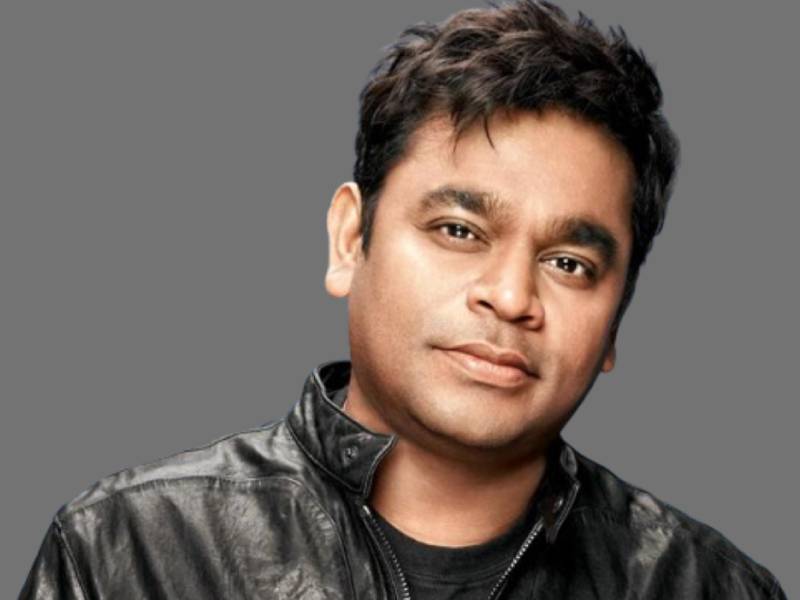
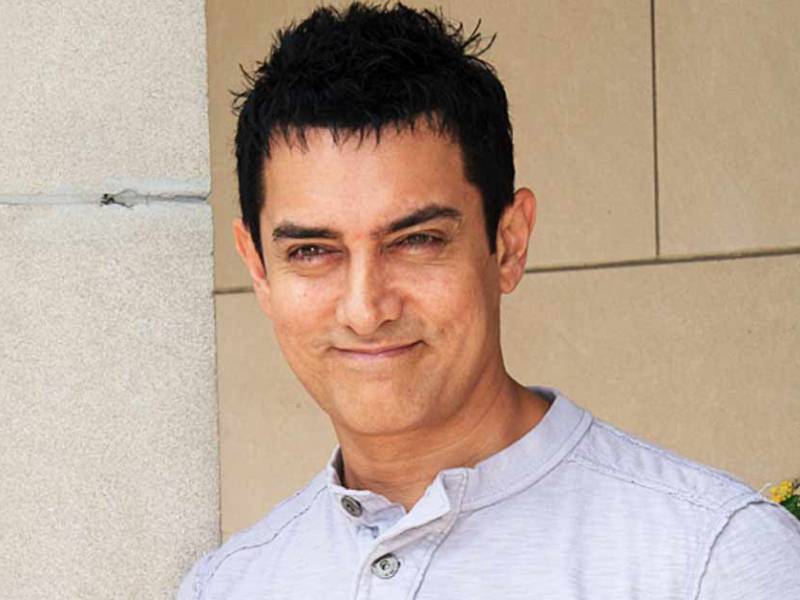
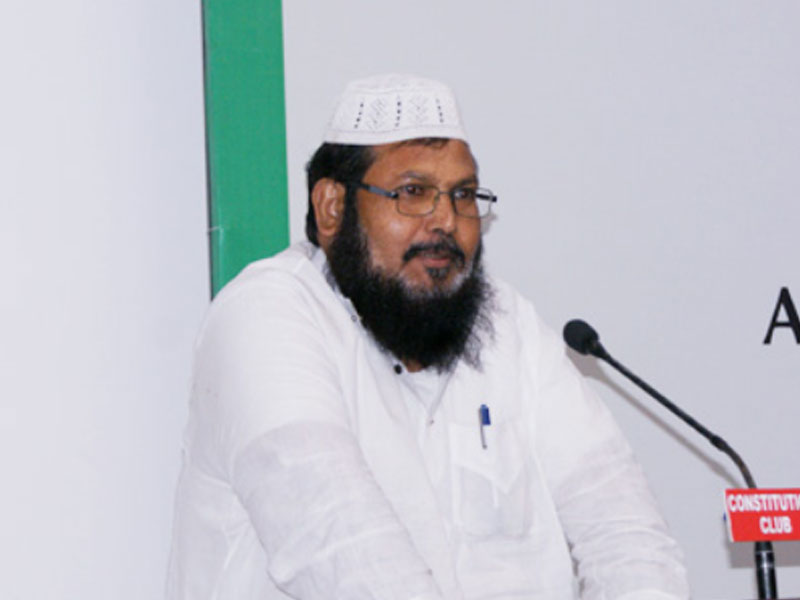
Rakibul Hussain - selected in the list of  The Most Influential Indian Muslims  - 2024

Rakibul Hussain

Rakibul Hussain: Politician

Rakibul Hussain (born in 1964) is a prominent Indian politician and a seasoned leader with a dynamic political career spanning decades. Currently serving as the Member of Parliament in the Lok Sabha from Dhubri, Assam, his victory in the 2024 Lok Sabha elections, defeating AIUDF chief Maulana Badruddin Ajmal by a staggering margin of 10,12,476 votes, stands as a testament to his widespread appeal and political acumen.

A postgraduate in Political Science from Aligarh Muslim University, Hussain's academic foundation has greatly shaped his political perspective. He began his political journey with the Indian National Congress, representing the Samaguri constituency in the Assam Legislative Assembly since 2001. His consistent electoral success highlights his deep connection with his constituents.

Hussain held several significant ministerial portfolios in the Tarun Gogoi-led government in Assam, showcasing his versatility. Between 2002 and 2016, he served as Minister of State and later as Cabinet Minister for Home, Political Affairs, Forest and Environment, Panchayat and Rural Development, Tourism, Information and Public Relations, and other key departments. His contributions during this period were pivotal in driving development initiatives, enhancing environmental policies, and improving rural governance.

From 2021 to 2024, Hussain served as the Deputy Leader of the Opposition in the Assam Legislative Assembly, where he played a critical role in articulating the opposition's stand on crucial state issues.

Beyond politics, Hussain has been actively involved in sports administration. He served as General Secretary of the Assam Olympic Association and became the President of the All India Carrom Federation in 2015, promoting sports development in the region.

Rakibul Hussain's political journey is marked by dedication, effective governance, and a commitment to public service, making him a key figure in Assam's political landscape.


Rana Ayyub - selected in the list of  The Most Influential Indian Muslims  - 2024

Rana Ayyub

Rana Ayyub: Journalist

Rana Ayyub (born in 1984) is an award-winning investigative journalist, author, and global advocate for press freedom. Known for her fearless reporting and unflinching commitment to uncovering the truth, Ayyub has carved a niche in the world of journalism as one of India’s most prominent and controversial voices.

Born and raised in Mumbai, Ayyub studied at Sophia College and began her career in journalism with leading Indian publications. Her investigative work gained international recognition with the publication of her book, Gujarat Files: Anatomy of a Cover-Up (2016), a self-published exposé based on an eight-month undercover investigation into the 2002 Gujarat riots and their aftermath. The book, a landmark in Indian journalism, shed light on alleged complicity by powerful political figures, earning her both acclaim and threats.

Ayyub’s incisive reporting extends beyond Gujarat. She has written extensively on issues of human rights, religious polarization, and governmental accountability. Her articles have appeared in prominent global outlets such as The Washington Post, The New York Times, and Time Magazine, where she continues to highlight issues of social justice and marginalization.

Her fearless approach has often made her a target of online abuse, legal challenges, and intimidation. Despite these challenges, she remains undeterred, advocating for press freedom and amplifying marginalized voices. Ayyub’s contributions have been recognized globally; she was honored with the McGill Medal for Journalistic Courage in 2020 and listed among Time Magazine’s 100 Most Influential People in 2022.

Beyond her journalism, Rana Ayyub uses her platform to address systemic injustices and champion the rights of the oppressed. Her work exemplifies the power of journalism as a tool for accountability, truth, and change. In an era of rising authoritarianism, Ayyub’s voice stands as a testament to courage and integrity.


Rashid Shaz - selected in the list of  The Most Influential Indian Muslims  - 2024

Rashid Shaz

Rashid Shaz: Islamic Scholar, Intellectual and Academic

Rashid Shaz (born 1963) is a distinguished Indian Islamic scholar, author, and professor at Aligarh Muslim University (AMU), known for his profound contributions to Islamic philosophy, interfaith dialogue, and contemporary Muslim thought. As an ISESCO Ambassador for Dialogue among Civilizations, he has dedicated his career to fostering mutual understanding and addressing the challenges faced by the global Muslim community.

Shaaz’s literary works reflect his innovative approach to Islamic scholarship, focusing on the revival of Muslim intellectual traditions and the intersection of faith and modernity. His acclaimed books, including Idrak Zawal-e-Ummat, Lastam Pokh, Kitabul Urooj, and Manifesto of United Islam, delve into the challenges and prospects of Islamic civilization in a rapidly changing world. His pivotal 2008 document, Calling for a New Dialogue between Islam and Christianity, released in Monaco, underscores his commitment to interfaith harmony.

In 1992, during the Oslo Peace Accord discussions, Shaaz embarked on a peace mission to London and Washington, advocating for Muslim sentiments on Jerusalem. Two years later, he launched the Milli Times International, a weekly newspaper from New Delhi, which ran until 2001, providing a platform for critical issues affecting Muslims globally.

Shaaz’s activism extends to bridging intellectual gaps. His work on shibh-Ahle-Kitab builds on the legacies of Al-Bairuni and Shahrastani, motivating enlightened Abrahamic intellectuals through platforms like FutureIslam.com.

Beyond his global engagements, Professor Shaz has remained a vocal critic of social injustices, including his condemnation of Aligarh’s silence on lynching incidents in India. He advocates for reform within the Muslim world, urging introspection and the revival of the progressive ethos of early Islamic civilization.

A mentor, thought leader, and reformist, Rashid Shaz’s legacy lies in his unwavering commitment to knowledge, justice, and the harmonious coexistence of humanity.


Saad Kandhlawi - selected in the list of  The Most Influential Indian Muslims  - 2024

Saad Kandhlawi

Muhammad Saad Kandhlawi: Religious Leader/Spiritual Leader

Muhammad Saad Kandhlawi ((born 1965) is an Indian Muslim preacher, leading the Nizamuddin Markaz faction of the Tablighi Jamaat, a global Islamic revival movement. He is the great-grandson of Muhammad Ilyas Kandhlawi, the founder of the Tablighi Jamaat, and the grandson of former leader Muhammad Yusuf Kandhlawi. Saad Kandhlawi was born in Kandhla, Shamli District, Uttar Pradesh, and completed his Islamic studies (Dars-e-Nizami) at Madrasa Kashiful Uloom, Nizamuddin Markaz, in Delhi in 1987.

After the death of Tablighi Jamaat’s former chief, Inamul Hasan Kandhlawi, a shura (council) was formed to elect a new leader. Though the council failed to appoint a single leader, Muhammad Saad Kandhlawi eventually emerged as the head of the movement, particularly after the passing of the other shura members. He was officially recognized as the leader of the Tablighi Jamaat during the All India Jod and the Tongi Ijtema in 2017.

Despite his leadership, Saad Kandhlawi's tenure has not been without controversy. Some of his statements have prompted fatwas from Deobandi scholars. South African scholar Mufti Ebrahim Desai issued a fatwa against him, as did India’s Darul Uloom Deoband, raising concerns about his leadership. Zaid Mazahiri of Nadwatul Ulama also penned treatises on the internal disputes within the Tablighi Jamaat. However, British scholar Yusuf Motala defended Kandhlawi.

During the COVID-19 pandemic, Saad faced further scrutiny when a religious event organized at the Nizamuddin Markaz resulted in a COVID-19 outbreak. This led to an FIR against him. In 2021, the Delhi High Court ordered the police to open his house following its closure.

Saad was also criticized when media reports exposed his ownership of a luxurious farmhouse, contrasting with the simple lifestyle he promotes to his followers. Despite these revelations, his family defended him, stating he rarely visited the property.


Sabah Qadri - selected in the list of  The Most Influential Indian Muslims  - 2024

Sabah Qadri

Sabah Qadri: Activist/Social Worker

At the heart of Help Hyderabad’s remarkable journey is Sabah Quadri, the treasurer of the organization and a driving force behind its success. A graduate in English Literature from St. Francis College, Secunderabad, Sabah is often described as the “de facto life support system” of the NGO. Her leadership and unwavering dedication have helped shape the organization’s mission and expand its impact across diverse communities.

Since its establishment in 2001, Help Hyderabad has been committed to addressing a wide range of social and humanitarian issues. The organization’s efforts include pivotal involvement in Rohingya relief, where it provided essential support in the form of shelter, food, and healthcare to displaced communities.

Healthcare is a cornerstone of Help Hyderabad’s work, with the NGO operating three medical clinics in Hyderabad that collectively treated over200000 patients to date. These clinics provide critical care to underprivileged individuals who lack access to quality medical services.

The organization also emphasizes fostering peace and unity through interfaith harmony meetings, bringing together individuals from diverse religious and cultural backgrounds to promote understanding, mutual respect, and coexistence.

Help Hyderabad’s impact extends beyond India’s borders. It demonstrated its commitment to global humanitarian efforts by delivering aid during the Turkey earthquake, assisting communities in distress.

Closer to home, the NGO runs widow pension programs, ensuring financial stability for women facing economic hardships. It also invests in education by offering student scholarships, empowering young minds to pursue their academic aspirations and build brighter futures.

Additionally, Help Hyderabad has been at the forefront of disaster relief programs in India, responding swiftly to natural calamities with food, medical aid, and rehabilitation support to affected regions.

Under the guidance of dedicated individuals like Sabah Quadri and its committed team, Help Hyderabad continues to transform lives, foster unity, inspire hope, and create a better future for countless individuals and communities.


Sadatullah Husaini - selected in the list of  The Most Influential Indian Muslims  - 2024

Sadatullah Husaini

Syed Sadatullah Husaini: Islamic Scholar/ Community Leader

Syed Sadatullah Husaini (born in 1973) is a prominent Indian leader serving as the President (Amir) of Jamaat-e-Islami Hind (JIH) and Vice President of the All India Muslim Personal Law Board (AIMPLB). Formerly, he led the Students' Islamic Organisation of India (SIO) as National President for two consecutive terms (1999–2003) and directed JIH’s Study and Research Department. He regularly contributes columns to major publications, addressing socio-political and contemporary issues.

Husaini graduated in electronics and telecommunication engineering from Nanded, Maharashtra. As a student, he was deeply involved with SIO and later became the youngest member of JIH’s Central Advisory Council (Markazi Majlis-e-Shura). Over the years, he has participated in various social and academic organizations across India.

Husaini critiques modern globalization for perpetuating economic and cultural inequality, advocating instead for Islam’s emphasis on universal brotherhood. On feminism, he highlights shortcomings in both traditional Muslim societies and the West, urging a balanced approach that preserves women's dignity and rights as prescribed by Islam.

In Indian Muslim politics, Husaini calls for constructive dialogue with the majority community, promoting nation-building while rejecting divisive narratives. His critique of postmodernism centers on its contradictions, asserting that Islam provides a balanced framework of absolute divine truths and relative human understanding.

Husaini has also voiced concerns over the Right to Education Act (RTE), arguing that it undermines the constitutional rights of minorities, particularly affecting their ability to manage religious educational institutions.

Through his intellectual contributions and leadership, Husaini plays a vital role in fostering social harmony and addressing contemporary challenges while upholding Islamic values.


Saeed Naqvi - selected in the list of  The Most Influential Indian Muslims  - 2024

Saeed Naqvi

Saeed Naqvi:  Journalist, Author and Commentator

Saeed Naqvi is a distinguished Indian journalist, television commentator, and interviewer, known for his extensive work in journalism over several decades. He began his career as a staff reporter with The Statesman in 1964 before moving on to become editor of the Sunday Magazine. He gained international recognition for his reporting during The Beatles' visit to India, capturing insights from their stay at Maharishi Mahesh Yogi’s ashram in Rishikesh.

Throughout his career, Naqvi has interviewed numerous global leaders, including Nelson Mandela, Fidel Castro, and Gorbachev, and has served as the editor of World Report, focusing on foreign affairs. His work has been featured in prestigious publications such as The New York Times, The Guardian, and The Washington Post. He played a key role in producing television content, notably for Doordarshan and Star TV, and was pivotal in creating programs that highlighted international affairs and India's diverse culture.

As an author, Naqvi's most recent work, titled "The Muslim Vanishes," explores themes of identity and societal issues, sparking discussion among scholars. He has participated in various prestigious lecture events, such as a TEDx Talk at Jamia Millia Islamia and has delivered talks at institutions like Columbia University.

Born and raised in Lucknow, Naqvi has a strong educational background, having attended La Martinière College. He is married to Aruna Naqvi and has three daughters, including journalist Saba Naqvi and writer Farah Naqvi. Over the years, Saeed Naqvi has established himself as a crucial voice in Indian journalism and remains influential in discussions about social and political issues in India and beyond.


Salman Azhari - selected in the list of  The Most Influential Indian Muslims  - 2024

Salman Azhari

Salman Azhari: Islamic Scholar and Orator

Salman Azhari, a distinguished Islamic scholar and orator, is renowned for his profound knowledge, eloquent speeches, and dedication to the propagation of Islamic teachings. Born into a family with deep-rooted Islamic scholarship, he hails from the lineage of respected ulema and has carried forward this legacy with remarkable dedication.

Mufti Salman completed his early Islamic education in India before advancing his studies at the prestigious Al-Azhar University in Cairo, Egypt, where he earned his degree in Islamic Jurisprudence and Theology. Al-Azhar, a beacon of Islamic learning for over a millennium, honed his understanding of traditional Islamic sciences, equipping him to address contemporary issues with a balanced and informed perspective.

A multilingual scholar fluent in Arabic, Urdu, and English, Mufti Salman Azhari has reached diverse audiences worldwide. His sermons and lectures often focus on fostering unity, interfaith harmony, and adherence to the core values of Islam, such as compassion, justice, and service to humanity. He is particularly known for his ability to explain complex theological concepts in a relatable and accessible manner, making him a beloved figure among both scholars and laypersons.

Mufti Salman has traveled extensively, delivering lectures and attending conferences across countries, including the United States, the United Kingdom, and the Middle East. His contributions extend beyond the pulpit; he actively engages in social welfare initiatives, emphasizing education and empowerment as tools for uplifting communities.

A staunch advocate for peace and coexistence, Mufti Salman Azhari continues to inspire countless individuals with his scholarship, humility, and unwavering commitment to spreading the message of Islam as a religion of peace and universal brotherhood.


Salman Husaini - selected in the list of  The Most Influential Indian Muslims  - 2024

Salman Husaini

Syed Salman Husaini Nadwi: Islamic scholar

Salman Husaini Nadwi (born 1952) is a renowned Indian scholar and professor specializing in Islamic sciences. He has authored numerous scholarly works in Arabic and Urdu and has served as the Dean of the Faculty of Dawah at Darul Uloom Nadwatul Ulama, a prominent Islamic seminary in Lucknow. In addition to his academic contributions, Nadwi holds various leadership roles, including Chairman of the Dr. Abdul Ali Unani Medical College and Hospital, Chancellor of Darul Uloom Syed Ahmad Shaheed in Katoli, and President of Jamiat Shabaab ul Islam. He is also a founding member of several medical, IT, and engineering colleges across India. Furthermore, he edits and co-edits 13 periodicals in multiple languages, including English, Urdu, Persian, and Arabic.

Born in 1954 in Lucknow, Salman Nadwi traces his lineage to Husayn ibn Ali, the grandson of the Prophet Muhammad. His mother was the niece of Abul Hasan Ali Hasani Nadwi, a prominent Islamic scholar who greatly influenced him. Salman Nadwi began his education at Darul Uloom Nadwatul Ulama, where he memorized the Qur’an and pursued Islamic studies. He completed his master's degree in Hadith at Nadwa in 1976, later advancing his studies at Imam Muhammad ibn Saud Islamic University under the mentorship of prominent scholars like Abd al-Fattah Abu Ghuddah.

Nadwi’s career includes founding the Jam’iat Shabaab al-Islam, now one of India’s most active Islamic organizations, and contributing to the establishment of Madrasat al-Imam Ahmad ibn Irfan al-Shahid al-Islamiyyah. However, his proposal in 2014 to the Saudi government for raising a 500,000-strong Sunni militia stirred controversy, as it called for global Islamic military collaboration.

A prolific author and educator, Nadwi remains a significant figure in Islamic scholarship and community leadership.


Salman Khan - selected in the list of  The Most Influential Indian Muslims  - 2024

Salman Khan

Salman Khan is one of the most prominent and influential actors in the Indian film industry. Born on December 27, 1965, in Indore, Madhya Pradesh, he is the eldest son of veteran screenwriter Salim Khan. With a career spanning over three decades, Salman has established himself as a leading figure in Bollywood, known for his charismatic screen presence, mass appeal, and philanthropic work.

Salman made his acting debut in a supporting role in Biwi Ho To Aisi (1988), but it was his breakthrough role in Maine Pyar Kiya (1989) that catapulted him to stardom. Over the years, he has delivered numerous blockbusters, including Hum Aapke Hain Koun..!, Karan Arjun, Wanted, Dabangg, Bajrangi Bhaijaan, and Sultan. Known for his action-packed roles and signature dance moves, Salman enjoys a massive fan following across India and internationally.

In addition to acting, Salman is a successful film producer under his banner Salman Khan Films. He has also hosted several seasons of the popular television reality show Bigg Boss, further solidifying his position as a household name.

Beyond cinema, Salman Khan is widely recognized for his humanitarian efforts. In 2007, he founded the charitable organization Being Human, which supports education and healthcare initiatives for the underprivileged.

Despite facing several legal controversies throughout his career, Salman’s popularity has remained largely unaffected. He continues to be a dominant force in Bollywood, known for his generosity, larger-than-life image, and strong box-office draw.


With a blend of stardom, resilience, and social impact, Salman Khan remains an enduring icon in Indian cinema, influencing generations of actors and audiences alike. His contribution to entertainment and charity makes him one of the most complex and fascinating figures in contemporary Bollywood.


Salman Khurshid Alam Khan - selected in the list of  The Most Influential Indian Muslims  - 2024

Salman Khurshid Alam Khan

Salman Khurshid Alam Khan (politician)

Salman Khurshid Alam Khan (born 1 January 1953) is an Indian politician, senior advocate, author, and law teacher. A member of the Indian National Congress, he served as the Cabinet Minister for External Affairs. Khurshid has represented Farrukhabad in the Lok Sabha, first from 1991–1996 and later in 2009. His political career began in 1981 as an Officer on Special Duty in the Prime Minister’s Office under Indira Gandhi. He later held roles as Deputy Minister of Commerce and Minister of State for External Affairs.

Born to Khurshed Alam Khan, a former Union Minister, and the grandson of Zakir Husain, India’s third President, Khurshid has Pathan ancestry linked to the Afridi and Kheshgi tribes. He was educated at St. Xavier’s High School, Delhi Public School, and St. Stephen’s College, Delhi. He earned his M.A. and Bachelor of Civil Law from St. Edmund Hall, Oxford, and taught law at Trinity College, Oxford.

Khurshid has held significant political roles, including President of the Uttar Pradesh Congress Committee and Delhi Public School Society. He was instrumental in managing portfolios for Minority Affairs, Corporate Affairs, and Law and Justice during his tenure as a Union Minister. Despite losing elections in 2014 and 2019, his political influence remains notable.

As a writer, Khurshid has authored the play Sons of Babur and books like Sunrise over Ayodhya, which sparked controversy for its critique of Hindutva, leading to his house being vandalized. He has also edited The Contemporary Conservative: Selected Writings of Dhiren Bhagat.

Khurshid and his wife Louise run the Zakir Hussain Memorial Trust, which faced allegations of financial mismanagement in 2012. Although they denied the charges, the controversy, dubbed "Operation Dhritrashtra," led to extensive investigations and public scrutiny. Despite challenges, Khurshid continues to be a prominent voice in Indian politics and intellectual circles.


Sarwar Chishty - selected in the list of  The Most Influential Indian Muslims  - 2024

Sarwar Chishty

Syed Sarwar Chishty: Religious Leader/ Community leader/Spiritual Leader

Maulana Syed Sarwar Chishty serves as the khadim (caretaker) of Ajmer Sharif Dargah, one of India’s most sacred and revered Sufi Muslim shrines. He is a direct descendant and successor caretaker of the holy shrine of Hazrat Khwaja Gharib Nawaz Moinuddin Chishti.

The Dargah, located in the heart of Rajasthan, is the final resting place of Khwaja Moinuddin Chishti, also known as Gharib Nawaz. This sacred site welcomes millions of devotees from diverse faiths, including Hindus, Muslims, Sikhs, and Christians, who visit to offer prayers, seek blessings, and make wishes. Upon the fulfillment of their wishes, devotees present offerings such as langar (community meals), niaz (charitable donations), flowers, and chadars (sacred cloth).

As a direct descendant and member of the Syed Khadim Chishty family, Syed Sarwar Chishty is honored to have a bloodline connection with Hazrat Gharib Nawaz (RA). By his divine blessings, the family holds the sacred responsibility of performing noble works associated with the Darbar Sharif and receiving the offerings (nazrana) made to the shrine.

Devotees from around the world are warmly invited to visit Darbar Sharif in person to experience its spiritual ambiance. For assistance with taweezats (amulets), duas (prayers), or fulfillment of vows (mannat), devotees may contact Syed Sarwar Chishty directly. Additionally, for those facing challenges such as black magic or other difficulties, the khadims at the Dargah are available to provide spiritual guidance and assistance.

To support pilgrims, the khadims offer free accommodations and ensure that visitors have a comfortable and fulfilling experience. Together, the khuddam (servants of the Dargah) dedicate themselves to human welfare and spiritual betterment under the blessings of Hazrat Gharib Nawaz.


Shah Rukh Khan - selected in the list of  The Most Influential Indian Muslims  - 2024

Shah Rukh Khan

Shah Rukh Khan: Entertainer

Shah Rukh Khan (born1965) fondly known as SRK, is one of the most celebrated actors in Indian cinema and a global icon. Born on November 2, 1965, in New Delhi, he rose from humble beginnings to become the undisputed "King of Bollywood," with a career spanning over three decades.

SRK's journey to stardom began with television serials like Fauji (1989) and Circus (1989). His Bollywood debut in Deewana (1992) marked the start of a meteoric rise. Known for his versatility, Shah Rukh has portrayed a wide range of characters, from the obsessive lover in Darr (1993) and Baazigar (1993) to the quintessential romantic hero in classics like Dilwale Dulhania Le Jayenge (1995), Kuch Kuch Hota Hai (1998), and Kabhi Khushi Kabhie Gham (2001).

Khan’s career is marked by critical acclaim and box office dominance, with iconic performances in films like Chak De! India (2007), My Name is Khan (2010), and Raees (2017). His ability to connect emotionally with audiences worldwide has earned him a massive fan following across continents.

Beyond acting, Shah Rukh is a successful entrepreneur, owning the production company Red Chillies Entertainment and the Kolkata Knight Riders cricket team. His philanthropic endeavors include extensive work in healthcare, child welfare, and education, for which he received the UNESCO Pyramide con Marni award.

A recipient of numerous accolades, including 14 Filmfare Awards and the Padma Shri, SRK has also been honored globally, such as with France's Legion of Honour.

Known for his wit, humility, and charisma, Shah Rukh Khan is more than an actor; he is a cultural phenomenon, symbolizing aspiration, resilience, and the magic of dreams realized.


Sharjeel Imam - selected in the list of  The Most Influential Indian Muslims  - 2024

Sharjeel Imam

Sharjeel Imam: Scholar, Activist

Sharjeel Imam (born in 1988) is a noted Indian Muslim activist from Kako village, Jehanabad, Bihar. An alumnus of IIT-Bombay, he completed his B.Tech. and M.Tech. in Computer Engineering before pursuing a master’s and Ph.D. in Modern History at Jawaharlal Nehru University (JNU). Known for his role in the anti-Citizenship Amendment Act (CAA) protests, Imam has faced sedition charges for allegedly inflammatory speeches.

Sharjeel’s father, Akbar Imam, was a politician, while his mother is a homemaker. Educated at missionary schools in Patna and Delhi Public School, Vasant Kunj, he graduated in 2006 and worked in the tech industry before returning to academia in 2013.

Imam gained recognition for organizing anti-CAA protests, including the iconic Shaheen Bagh sit-in. His speeches, particularly one advocating a blockade of the Siliguri Corridor, led to accusations of sedition and charges under the Unlawful Activities Prevention Act (UAPA). Arrested in January 2020, he has been detained since, facing multiple cases in states like Assam, Uttar Pradesh, and Delhi.

Critics, including activists and academics, argue that Imam’s speeches were misinterpreted and that the charges against him are politically motivated. Prominent voices like Aakar Patel and Justice Markandey Katju have called for his release, emphasizing freedom of expression. Imam’s arrest has been widely condemned, with support from students, teachers, and rights organizations across India.

Despite receiving bail in some cases, Imam remains in custody for alleged involvement in a larger conspiracy related to the 2020 Delhi riots. His detention highlights ongoing debates on dissent, minority rights, and state actions in India.


Tauqeer Raza Khan - selected in the list of  The Most Influential Indian Muslims  - 2024

Tauqeer Raza Khan

Tauqeer Raza Khan: Religious Leader

Tauqeer Raza Khan is an Indian Islamic scholar and politician, known as the founder of the Ittehad-e-Millat Council, a political party based in Uttar Pradesh, and a prominent figure among Barelvi Sunni Muslims. He is a great-grandson of Ahmad Raza Khan, the founder of the Barelvi movement. Khan has served as the head of the All India Muslim Personal Law Board (Jadeed), which he established to address perceived discrimination by the Deobandi faction of the board. His political career began in 2001, and he has garnered support from various parties throughout his political journey, including the Indian National Congress and the Samajwadi Party, often calling for communal solidarity among Muslims.

Khan's career has not been without controversy. In 2016, he sought unity with Deobandi scholars but faced backlash from Barelvi clerics, resulting in an apology after a religious ruling deemed his actions sinful. He has also been accused of inciting hatred against Hindus. His political activism often aligns with religious undertones, as seen in his calls for Muslims to vote based on their faith. He has made headlines for several incidents, including issuing a reward for the head of Bangladeshi author Taslima Nasrin and being arrested during riots in Bareilly in 2010.

On a more contemporary note, in 2024, he condemned government actions during the Haldwani violence, urging self-defense for his community and criticizing the ruling authorities. Khan's rhetoric has repeatedly sparked polarization along religious lines, reflecting the complexity of religious and political interactions in India today. His controversial statements and actions highlight the intertwining of communal identity and politics in his advocacy for the Muslim community in India.


Wali Rahmani - selected in the list of  The Most Influential Indian Muslims  - 2024

Wali Rahmani

Wali Rahmani: Activist, Motivational Speaker 

Wali Rahmani, at just 26 years old, is a lawyer, activist, and one of India's youngest social entrepreneurs. He is the founder of Umeed Global School, a residential institution dedicated to educating orphans, destitute, and underprivileged children.

Rahmani began his journey in public discourse at the age of 19, becoming the youngest Indian panelist to appear on national TV debates. Today, he is also a noted motivational speaker and a social media influencer with over a million followers.

In late 2023, Rahmani achieved a historic milestone by raising ₹7 crore in just seven days through crowdfunding for his school's construction. His campaign, which collected contributions of ₹100 each from lakhs of donors, showcased the trust he has earned through his honest and impactful work. In just seven months, the funds were utilized to successfully erect a state-of-the-art school building.

Rahmani’s philosophy is rooted in the belief that serving the community is not charity but a social duty. He aspires to nurture leaders from underprivileged sections of society, emphasizing that leadership is cultivated through character and actions. For Rahmani, education goes beyond academics—it is about "Tarbiyah" (character building).

Umeed Global School stands as a beacon of hope, bridging the educational gap between rich and poor. The school boasts an internationally recognized curriculum and has recently partnered with the World Trade Centre, Pune, to introduce STEM education.

Rahmani’s groundbreaking work has been featured in Times of India, The Telegraph, Indian Express, Brut India, Logical Indian, and other notable platforms, cementing his reputation as a changemaker committed to transforming lives through education.


Yusuff Ali - selected in the list of  The Most Influential Indian Muslims  - 2024

Yusuff Ali

M.A. Yusuff Ali: Entrepreneur /Philanthropist

M.A. Yusuff Ali, born on November 15, 1955, in Nattika, Thrissur, Kerala, is the Chairman and Managing Director of LuLu Group International. A billionaire entrepreneur, he has transformed the retail landscape in the Middle East and India. The LuLu Group, with an annual turnover of $8.4 billion, operates over 100 hypermarkets and malls globally, employing over 65,000 people, including more than 30,000 Indians.

After completing his schooling at St. Xavier's High School, Thrissur, and earning a diploma in Business Management, Yusuff Ali moved to Abu Dhabi in 1973 to join his uncle's business. He diversified the family venture, expanding it into food processing, wholesale distribution, and retail. In the 1990s, he launched the LuLu Hypermarket chain, revolutionizing the retail sector in the UAE.

In India, Yusuff Ali has invested significantly in infrastructure, banking, and retail. His first retail venture, the LuLu International Shopping Mall in Kochi, opened in 2013 and remains one of the largest in the country. Since then, the LuLu Group has established malls in Thiruvananthapuram, Bengaluru, Lucknow, and Hyderabad. He has also acquired stakes in several Indian banks, including the Federal Bank and South Indian Bank.

A committed philanthropist, Yusuff Ali supports numerous charitable initiatives. He contributed ₹9.5 crores for Kerala flood relief in 2018 and pledged ₹50 million during the 2019 floods. His global CSR efforts include adopting schools in Gaza and Nepal and establishing a multi-faith funeral center in Sharjah.

Recognized as one of Forbes’ top Indian business leaders in the Arab world, Yusuff Ali was ranked 39th on Forbes India’s 100 Richest Tycoons list in 2024, with a net worth of $7.4 billion. Beyond his business success, he is deeply involved in social and economic welfare, particularly for the Indian diaspora in the Gulf region, showcasing his enduring commitment to humanity and progress.


Zafar Mahmood - selected in the list of  The Most Influential Indian Muslims  - 2024

Zafar Mahmood

Syed Zafar Mahmood: Community leader/Former Bureaucrat

Syed Zafar Mahmood is a distinguished Indian civil servant and former 'Officer on Special Duty' for Prime Minister Manmohan Singh. He gained prominence for his role in the Sachar Committee, established on March 9, 2005, to assess the socioeconomic and educational status of India's Muslim community. The committee submitted its comprehensive report on November 17, 2006, highlighting critical disparities, which Mahmood has since discussed extensively in various forums, including notable institutions like Case Western Reserve University and Harvard University's John F. Kennedy School of Government, to advocate for bridging the gaps faced by Indian Muslims.
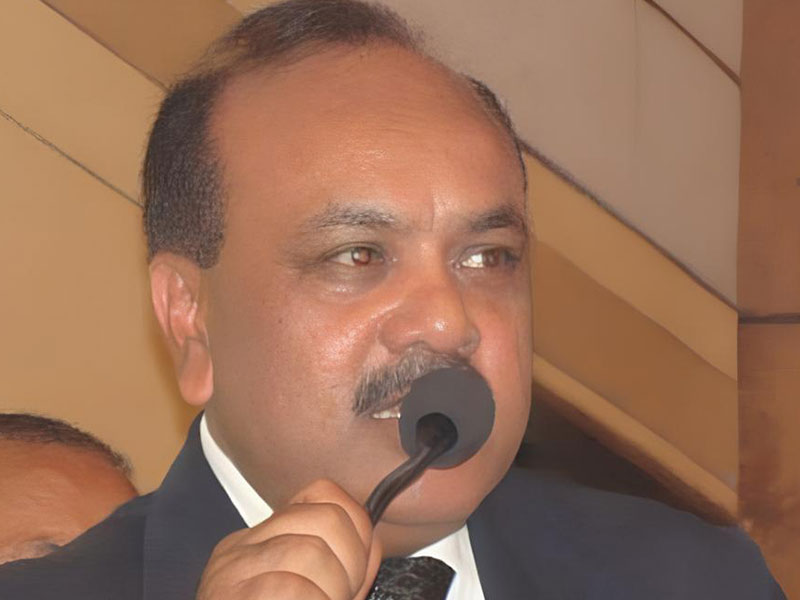
Mahmood's educational background includes a B.Sc. (Honours) in Physics, an M.S. in Political Science, and a Ph.D. in Public Administration from Aligarh Muslim University. Apart from his civil service, he is the founder of several non-profit organizations, including the Zakat Foundation of India, the Interfaith Coalition for Peace, and God's Grace Foundation. The Zakat Foundation, established in 1997, is particularly notable for operating an orphanage for children affected by the 2002 Gujarat riots, in collaboration with the USA's One World Children's Fund. His efforts in philanthropy and social justice have garnered attention from media outlets like CNN and NPR.
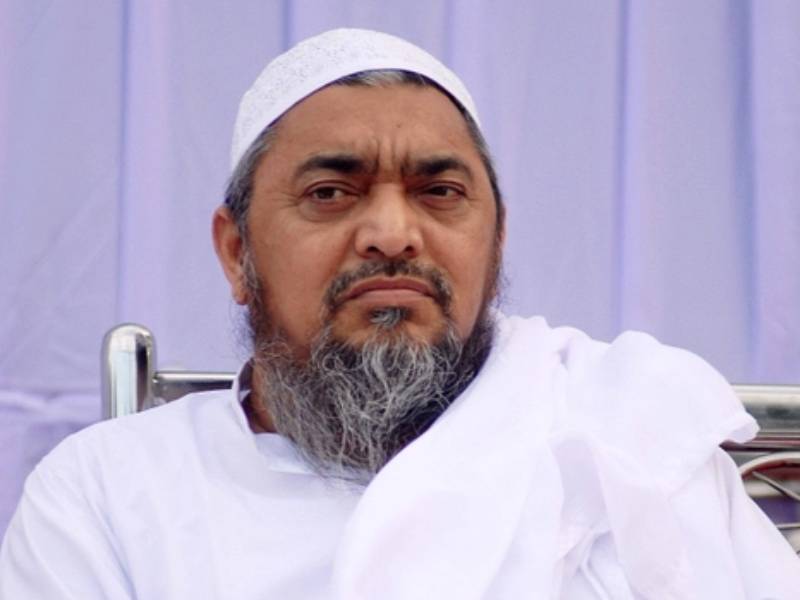
Mahmood has actively participated in interfaith dialogues and was a representative of Indian Muslims during President George W. Bush's 2006 visit to India. He has been vocal about highlighting the challenges faced by Muslims, notably challenging Gujarat's Chief Minister, Narendra Modi, on issues affecting Muslim communities. His advocacy emphasizes the need for policies that can foster better relations between the Indian government and its Muslim citizens, particularly in light of the Sachar Committee's findings and recommendations.


Zafar ul Islam Khan - selected in the list of  The Most Influential Indian Muslims  - 2024

Zafar ul Islam Khan

Islam Khan: Journalist, Author/Community Leader

Dr Zafar ul Islam Khan (born1948) is a prominent Indian author and journalist known for his advocacy for the Muslim community. He serves as the editor and publisher of The Milli Gazette, a fortnightly focused on issues relevant to Muslims, and is the founder and chairman of Charity Alliance, an organization dedicated to relief and welfare work in India.
Khan's educational journey began at Madrasa-tul-Islah and Darul Uloom Nadwatul Ulama, followed by studies at Al-Azhar and Cairo University from 1966 to 1973. He earned a PhD in Islamic Studies from the University of Manchester in 1987. His career spans several decades, including roles with the Libyan Foreign Ministry and the London-based Muslim Institute, where he managed a news service and publications. He has authored and translated over 50 books and written articles for the Encyclopaedia of Islam.

Khan was elected president of the All India Muslim Majlis-e-Mushawarat, the umbrella body for Muslim organizations in India, for multiple terms. In July 2017, he was appointed Chairman of the Delhi Minorities Commission, where he formed a fact-finding committee in response to the 2020 Delhi riots.

In October 2023, he released "The Glorious Quran," a translation of the holy text. However, Khan faced controversy following a Facebook post in April 2020 asserting that Muslims were subject to hate campaigns and violence. He was subsequently charged with sedition under the Indian Penal Code. The resultant petitions against him were dismissed in court. Khan's contributions and viewpoints have sparked discussions on minority rights, social justice, and the role of the Muslim community in India.


Zahir Ishaq Kazi - selected in the list of  The Most Influential Indian Muslims  - 2024

Zahir Ishaq Kazi

Zahir Ishaq Kazi: Community leader/ Educationist

Dr. Zahir Ishaq Kazi (born1954) is a prominent figure in education, literature, and medicine, serving as the President of Anjuman-I-Islam, the largest educational conglomerate catering to minorities in India, founded in 1874. He earned his MBBS from Goa Medical College and pursued advanced medical training in Radiology, with fellowships at prestigious institutions in the U.S. Dr. Kazi's extensive medical career includes significant roles in renowned hospitals in Mumbai and an international assignment at King Fahad Hospital in Saudi Arabia.

His association with Anjuman-I-Islam spans over 30 years, where he has held various leadership positions, ultimately becoming its president for the last 15 years. Under his leadership, the organization has experienced substantial growth, introducing new institutions and programs while ensuring accreditation and financial stability. Notably, Dr. Kazi championed women's empowerment by appointing over 85% of women as heads of institutions and transforming orphanages into compliant and graded homes for women.
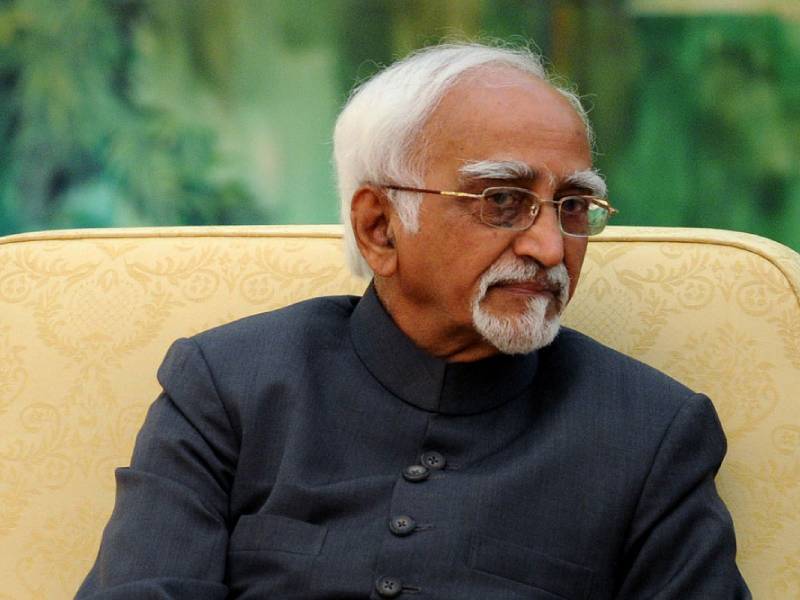
Dr. Kazi's impact extends beyond education into governance, where he has served on multiple committees in Maharashtra and Goa, influenced national education policy as Chair of the National Monitoring Committee of Minority Education, and held significant roles in the Government of India. He also supports various educational trusts and has served as a Senate member at the University of Mumbai.

His contributions have been recognized through numerous national and international awards, including the “Life Time Achievement Award” from the Ministry of AYUSH and the Sir Syed Excellence National Award from Aligarh Muslim University. Dr. Kazi's visionary leadership has solidified Anjuman-I-Islam's status as a leading institution at both national and international levels.


Ziya Us Salam - selected in the list of  The Most Influential Indian Muslims  - 2024

Ziya Us Salam

Ziya Us Salam: Journalist/ Author

Ziya Us Salam (born in 1970) is a distinguished Indian author, literary critic, journalist, and social commentator. With a career spanning nearly three decades, Salam has become a prominent voice on sociocultural issues, literature, and the challenges faced by India's Muslim community.

Born into a family with an Islamic scholarly lineage, Salam’s father, Mufti Abdul Dayem Sahab, was a renowned Islamic scholar and hadith translator. After his father’s demise in 1983, Salam, his mother, and his sister moved to Delhi, where he pursued his education. He studied at Bluebells School International and later attended a convent school. Salam’s intellectual journey continued at St. Stephen's College, University of Delhi, where he earned a degree in History.
From an early age, Salam exhibited a passion for writing and journalism. By grade seven, his first article was published, and his early initiative of compiling and distributing handwritten notes foreshadowed his future career. In 1995, he officially began his journey as a journalist, working with leading publications such as The Statesman, The Times of India, and The Pioneer. Before joining The Hindu he  was  Associate Editor of Frontline 

Salam is also a prolific author. His book Till Talaq Do Us Part: Understanding Talaq, Triple Talaq and Khula (2018) received acclaim for its clarity and depth in addressing misconceptions about Islamic marital laws. In the same year, he authored Of Saffron Flags and Skullcaps: Hindutva, Muslim Identity and the Idea of India, critically exploring discrimination against Muslims in India.

Salam's latest book Being Muslim in Hindu India   is painstakingly researched, that  talks of the constant 'othering' of Muslims, using tactics of both peace and violence. 


Muslim Mirror 100: The Most Influential Indian Muslims 2024

Copyright © 2024 | All rights reserved. | Website Designed & Maintained by Aash App Developers